
- Snoring isn’t just noise. It can fragment sleep and leave you foggy, even if you “slept” eight hours.
- Sleep gadgets are everywhere. Trackers can be motivating, but they can’t diagnose sleep apnea.
- Nasal comfort matters. Dryness and congestion can make snoring louder and sleep feel lighter.
- An anti snoring mouthpiece is a common first try. Fit and consistency usually decide whether it helps.
- Screening is the safety move. If symptoms suggest apnea, don’t self-treat in the dark.
Snoring is having a moment again. You see it in sleep-tech chatter, “morning fatigue” tips, and the relationship jokes that land a little too close to home. Add travel fatigue and workplace burnout, and people start looking for anything that makes nights quieter and mornings easier.
Let’s keep this practical: what snoring can mean, what people are trying right now, and where an anti snoring mouthpiece fits in—without skipping the safety checks.
Why does snoring mess with sleep quality so much?
Snoring often signals vibration and partial airway narrowing. That can trigger micro-arousals—tiny wake-ups you may not remember. Your body still pays the price.
Even when oxygen levels stay normal, broken sleep can show up as irritability, poor focus, and that “I need three coffees” feeling. It also affects the person next to you, which is why snoring becomes a relationship issue fast.
What people are noticing right now
Sleep content has been pushing simple routines: consistent bedtimes, less late-night work, and fewer “one more scroll” sessions. Those basics matter because stress and irregular schedules can make snoring and fatigue feel worse.
Is snoring ever a sign you should get checked?
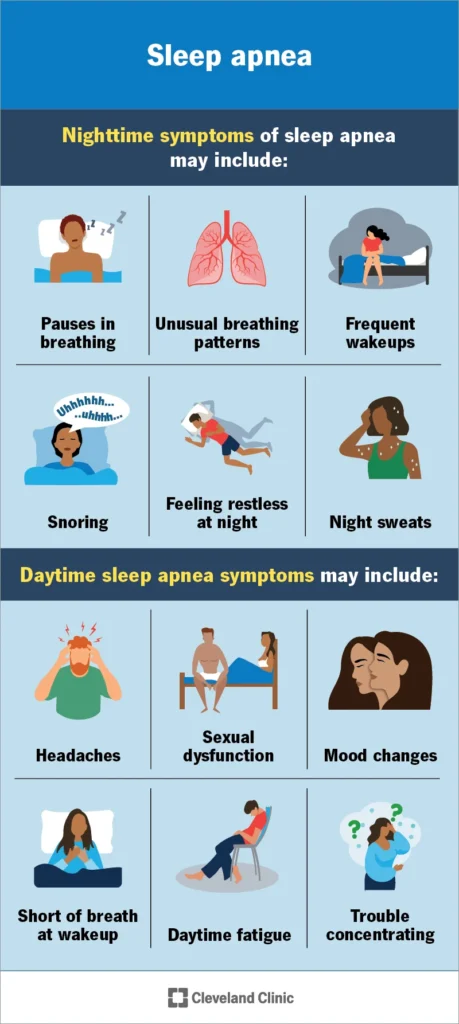
Yes. Loud, frequent snoring can overlap with obstructive sleep apnea (OSA). OSA is a medical condition where breathing repeatedly pauses or becomes shallow during sleep.
Don’t guess if you see red flags. Consider a clinician-led screening if any of these apply:
- Breathing pauses witnessed by a partner
- Choking or gasping during sleep
- Severe daytime sleepiness or drowsy driving risk
- Morning headaches, high blood pressure, or heartburn at night
- Snoring plus frequent nighttime bathroom trips
Safety note: Kids are different. Snoring in children deserves medical attention, especially if it’s persistent. Recent reporting has also highlighted simple nasal approaches being studied for pediatric sleep-disordered breathing. If you want the general context, see this related coverage: Saline nasal spray found to ease sleep apnea symptoms in children.
What’s the deal with nasal sprays and “the nose knows” sleep tips?
A lot of current sleep talk circles back to airflow. When your nose feels blocked or dry, you may mouth-breathe more. Mouth breathing can increase snoring for some people.
That’s why you’ll see general advice around nasal comfort: managing allergies, keeping bedroom air from getting too dry, and using gentle options when appropriate. For children, especially, don’t DIY a plan based on headlines—loop in a pediatric clinician.
Quick reality check
Nasal strategies can help if congestion is a driver. They won’t fix every type of snoring. If the main issue is the position of the jaw or tongue during sleep, a mouthpiece may be more relevant.
How can an anti snoring mouthpiece improve sleep health?
Most anti-snoring mouthpieces are designed to support the lower jaw forward (often called mandibular advancement). That can help keep the airway more open for certain snorers.
When it works, the benefit isn’t just “less noise.” People often report fewer wake-ups, better partner sleep, and less morning grogginess. That’s the sleep-health win: more stable rest.
Who tends to do well with a mouthpiece?
- People whose snoring is worse on their back
- Those with mild-to-moderate snoring without major red-flag symptoms
- Couples who need a practical, non-machine option to try first
What can make a mouthpiece fail?
- Poor fit that slips or forces the jaw too far
- Inconsistent use (common during travel or stressful weeks)
- Unaddressed nasal congestion that pushes mouth breathing
- Underlying sleep apnea that needs medical treatment
If you’re comparing options, start here: anti snoring mouthpiece. Focus on comfort, adjustability, and cleaning simplicity. Those details decide whether you’ll actually use it.
What are people doing about travel fatigue and burnout sleep right now?
Two trends keep showing up: sleep gadgets and “hard stop” evenings. Wearables can nudge you toward better habits, but they can also create anxiety if you chase perfect scores.
Meanwhile, the simplest burnout-friendly move is boundaries. Many sleep writers have been repeating a version of this: stop working well before bed so your brain can downshift. If your nights are wired, snoring solutions won’t feel as effective.
A simple pairing that’s realistic
- Routine: pick a consistent wind-down window (even 30–60 minutes helps).
- Airway support: address nasal comfort if needed and consider a mouthpiece if jaw position seems to be the issue.
How do you choose and use a mouthpiece without creating new problems?
Think “effective, then comfortable, then consistent.” A mouthpiece that works but hurts won’t last. One that feels fine but doesn’t reduce snoring won’t help either.
Screening and documentation (the low-drama safety plan)
- Write down symptoms for a week: snoring intensity, morning headaches, daytime sleepiness, and any witnessed pauses.
- Set a checkpoint: if there’s no improvement after a reasonable trial, reassess instead of endlessly tweaking.
- Stop if you have persistent jaw pain, tooth pain, or bite changes. Get dental guidance.
- Don’t share mouthpieces. Clean as directed to reduce hygiene risks.
Medical disclaimer: This article is for general education and does not diagnose, treat, or replace medical advice. If you suspect sleep apnea, have significant daytime sleepiness, or your child snores regularly, consult a qualified clinician.
FAQs
Can an anti snoring mouthpiece help with sleep apnea?
It may reduce snoring for some people, but it is not a guaranteed treatment for sleep apnea. If you suspect apnea, get screened by a clinician.
How fast do mouthpieces work for snoring?
Some people notice a difference the first night, while others need a short adjustment period. Comfort and fit are big factors.
What if my snoring is mostly from my nose?
Nasal congestion can worsen snoring. Simple steps like addressing dryness or allergies may help, and some people combine nasal strategies with a mouthpiece.
Are anti-snoring mouthpieces safe?
Many are safe when used as directed, but they can cause jaw soreness, tooth discomfort, or bite changes in some users. Stop if pain persists and consult a dentist or clinician.
How do I know if my snoring is a red flag?
Seek medical advice if you have choking/gasping, witnessed breathing pauses, severe daytime sleepiness, high blood pressure, or morning headaches.