
Before you try anything for snoring, run this quick checklist.
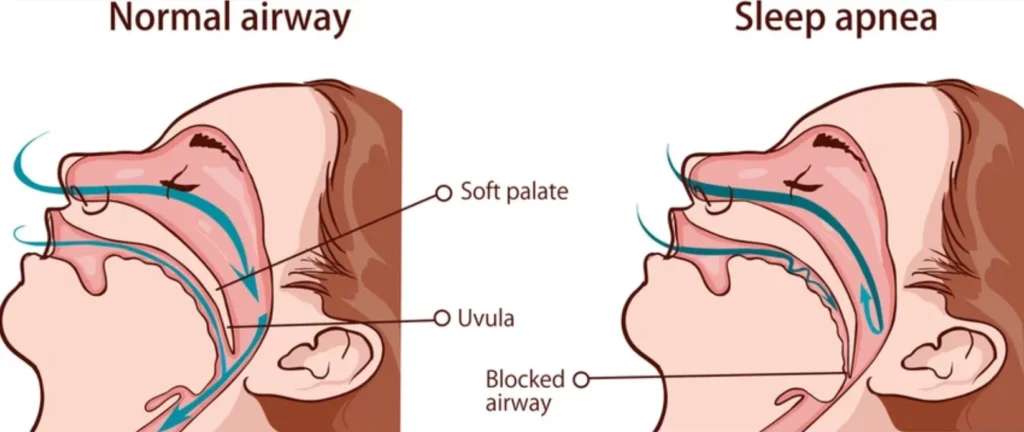
- Safety first: Any choking/gasping, witnessed pauses in breathing, or heavy daytime sleepiness?
- Timing: Is it worse during winter, after travel, or when you’re exhausted?
- Relationship impact: Are you getting nudged, elbowed, or “banished” to the couch?
- Trend trap: Are you “sleep-tracking” so hard it’s stressing you out?
Snoring sits at the intersection of sleep quality, stress, and communication. Right now, people are talking about sleep gadgets, “sleepmaxxing,” and the irony of chasing perfect rest while feeling more wired. Meanwhile, winter air, travel fatigue, and burnout can amplify nighttime noise. If you want a direct plan, start below.
A decision guide you can use tonight (If…then…)
If you notice red flags…then don’t self-treat first
If you or your partner notices breathing pauses, choking, or loud snoring paired with daytime exhaustion, treat that as a screening issue, not just an annoyance. Some winter-focused coverage has highlighted how colder months can bring sleep-breathing concerns into sharper focus for many people. Use that as your cue to take symptoms seriously, even if you’re tempted to just buy a gadget.
To keep this general and practical: persistent loud snoring plus daytime impairment deserves a medical conversation. Snoring can be benign, but it can also overlap with obstructive sleep apnea.
Related reading: Doctor warns of winter sleep apnea risks.
If it’s “situational snoring”…then fix the easy drivers first
If snoring spikes after a red-eye flight, a stressful week, or a few nights of short sleep, start with the basics. Travel fatigue and workplace burnout can push people into lighter, more fragmented sleep. That can make snoring more noticeable and make partners less tolerant.
Also watch the “stay in bed longer” reflex. More time in bed doesn’t always equal better rest. Consistent wake times, a wind-down routine, and fewer late-night disruptions can help sleep quality without adding another device to your nightstand.
If your partner complains but you feel “fine”…then check your sleep quality anyway
Many people underestimate how much snoring affects recovery. You might not feel sleepy, yet your sleep can still be choppy. If your wearable says you’re waking often, treat it as a clue—not a verdict. Recent conversations about sleep tracking have emphasized a simple point: data can help, but perfectionism can backfire.
Use the numbers to start a calm discussion. Don’t use them as a courtroom exhibit.
If snoring is frequent and positional…then an anti snoring mouthpiece may be a reasonable next step
If snoring happens most nights, and it’s worse on your back or when your jaw relaxes, an anti snoring mouthpiece is often on the short list. Many mouthpieces work by gently repositioning the lower jaw to support airflow. The goal is less vibration, less noise, and fewer sleep disruptions.
This is also where relationship stress shows up. When one person can’t sleep, both people pay for it. A mouthpiece can be a “we both win” move—if it fits well and doesn’t cause jaw pain.
If you’re comparing products, start here: anti snoring mouthpiece.
If you try a mouthpiece…then use a comfort-first testing plan
Don’t judge a mouthpiece on night one. Give yourself a short adjustment window, and focus on comfort and consistency. If you wake with jaw pain, tooth pain, or bite changes that don’t fade, stop and get professional input. “Powering through” is not a strategy.
Track outcomes that matter: fewer partner wake-ups, fewer midnight relocations, and better morning energy. Those are more useful than obsessing over a single snore score.
What people are talking about right now (and how to filter the noise)
Sleep gadgets are everywhere. Some help. Some create new anxiety. If a device makes you hypervigilant, it can worsen sleep quality even if it provides “insights.”
Winter brings new variables. Dry air, congestion, and changing routines can make snoring more noticeable. If symptoms escalate in colder months, don’t ignore it.
Inspirational health stories are motivating. They also remind us that obstructive sleep apnea is a real condition with real treatments. If you suspect apnea, get evaluated rather than guessing.
How to talk about snoring without starting a fight
Use a “team” script: “I want us both sleeping better.” Keep it specific: describe what happens (noise, wake-ups, morning mood), not what it means (“you don’t care”).
Agree on one experiment at a time. When you test everything at once—mouth tape, nose strips, new pillow, tracker settings—you won’t know what worked. You’ll also feel like you’re running a lab instead of going to bed.
FAQ: quick answers before you buy
Is snoring always a health problem?
No. But loud, persistent snoring—especially with daytime sleepiness or breathing pauses—can signal a sleep-breathing disorder.
Can I just “sleep longer” to fix poor sleep?
Not always. Oversleeping or spending extra time in bed can leave you groggy and may not improve sleep quality.
Are mouthpieces better than nose strips?
They solve different issues. Mouthpieces aim to change jaw position and airway mechanics. Nose strips mainly support nasal airflow.
CTA: pick one next step
- Red flags? Schedule a screening conversation with a clinician.
- No red flags, frequent snoring? Consider a comfort-focused trial of a mouthpiece.
- Mostly situational? Stabilize your routine, then reassess.
How do anti-snoring mouthpieces work?
Medical disclaimer: This article is for general education and does not diagnose, treat, or replace medical advice. If you suspect sleep apnea or have severe symptoms (breathing pauses, choking/gasping, significant daytime sleepiness), seek evaluation from a qualified healthcare professional.