
Myth: Snoring is just an annoying noise.
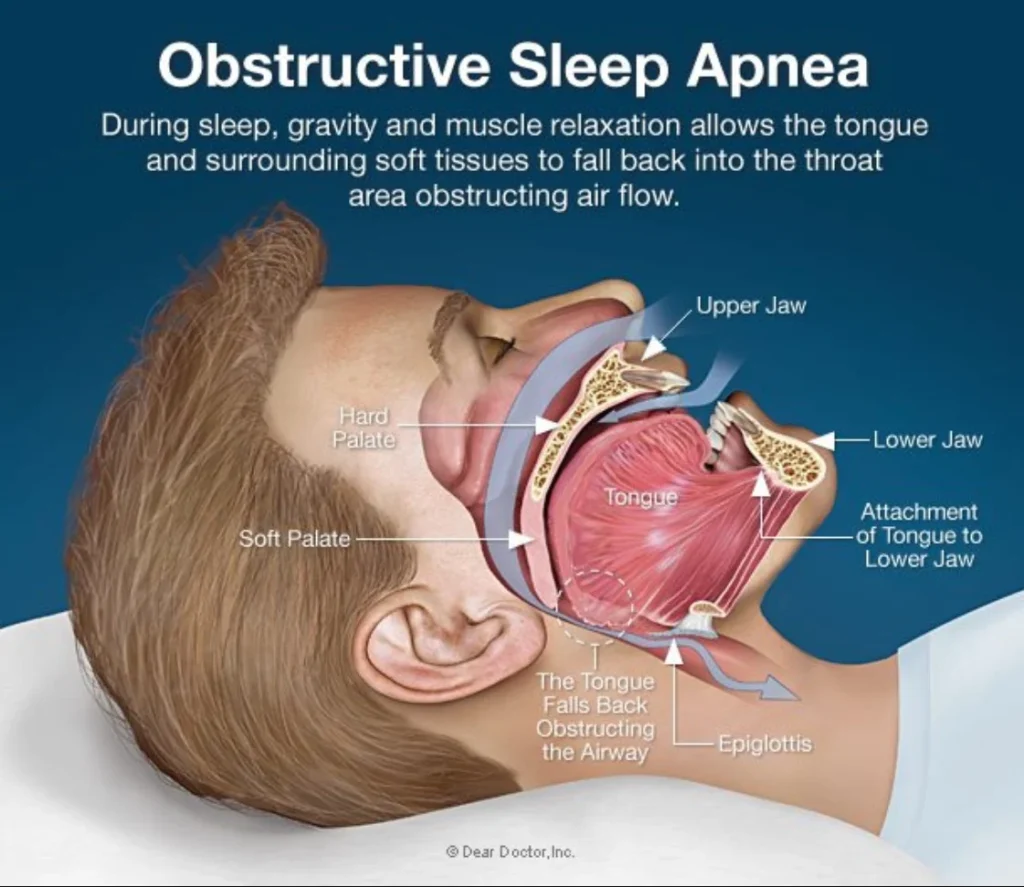
Reality: Snoring often tracks with poorer sleep quality for you, your partner, or both. And right now, people are talking about sleep like it’s a performance upgrade—wearables, “sleepmaxxing” routines, travel recovery hacks, and even relationship jokes about who gets the couch.
This guide keeps it practical. If you’re considering an anti snoring mouthpiece, here’s how to choose without burning money on gadgets that don’t match your problem.
Is my snoring actually hurting my sleep quality?
Sometimes the biggest clue isn’t the sound. It’s the morning after.
Quick reality check (no lab required)
- You wake up unrefreshed even after “enough” hours.
- Dry mouth or sore throat in the morning (often mouth breathing).
- Frequent wake-ups or light, fragmented sleep.
- Partner reports loud snoring, gasping, or pauses in breathing.
If you’re dealing with workplace burnout, it’s easy to blame stress for everything. Stress matters, but persistent snoring plus daytime sleepiness can also signal a breathing issue that deserves attention.
What are people doing about snoring right now?
Trends come and go, but the themes stay the same: quick fixes, sleep gadgets, and “tonight” solutions. You’ll see lists of tips like side-sleeping, cutting back alcohol, and keeping nasal passages clear.
At the same time, more dental clinics are talking about airway-focused care and sleep breathing health. If you want a general read on that conversation, see Creative Smiles Dentistry Advances Airway Dentistry to Address Sleep and Breathing Health in Tucson.
Bottom line: if your snoring is tied to how your jaw sits at night, a mouthpiece can be a very budget-friendly move compared to cycling through random devices.
How does an anti snoring mouthpiece help (in plain English)?
Most anti-snoring mouthpieces aim to reduce airway collapse by changing position during sleep.
Two common approaches
- Mandibular advancement style: Gently holds the lower jaw forward to keep the airway more open.
- Tongue-stabilizing style: Helps keep the tongue from falling back.
Think of it like clearing a kink in a hose. You’re not “adding air.” You’re trying to keep the passage less narrow while you relax.
How do I choose a mouthpiece without wasting a cycle?
Don’t shop by hype. Shop by your most likely snoring pattern.
Start with these practical filters
- If you snore mostly on your back: jaw-position support often matters more.
- If you wake with a dry mouth: you may be mouth-breathing; pairing support can help some people.
- If your nose feels blocked at night: a mouthpiece alone may not solve the root issue.
Fit and comfort are the whole game
A mouthpiece that sits in a drawer is a $0 solution. Look for designs that prioritize stable fit and nightly wearability. If you want a combined option, consider an anti snoring mouthpiece so you’re not piecing together a DIY setup.
When is snoring a “get checked” problem, not a product problem?
Snoring can overlap with sleep apnea, and sleep apnea is a medical condition. It also shows up in broader conversations right now, including benefits and rating guides for veterans—another reminder that it’s not just a “loud sleeper” joke.
Don’t ignore these red flags
- Choking or gasping during sleep
- Witnessed pauses in breathing
- Severe daytime sleepiness or dozing off unintentionally
- Morning headaches, high blood pressure, or heart risk factors
If any of these fit, talk to a qualified clinician or a dentist trained in sleep-related breathing disorders. You may need a sleep study before you decide on gear.
What can I do tonight to improve sleep quality alongside a mouthpiece?
Keep it simple. Stack small wins that don’t cost much.
- Side-sleep setup: a pillow arrangement that makes back-sleeping less likely.
- Alcohol timing: avoid late-night drinks if snoring spikes after them.
- Travel fatigue reset: after flights or long drives, prioritize a consistent bedtime and a cool, dark room.
- Bedroom diplomacy: if snoring is straining a relationship, treat it like a shared problem to solve, not a character flaw.
FAQs
Do anti-snoring mouthpieces work for everyone?
No. They’re most likely to help when jaw position contributes to snoring, and less likely to help when nasal blockage or untreated sleep apnea is the main driver.
What’s the difference between snoring and sleep apnea?
Snoring is noise from vibration in the airway. Sleep apnea involves repeated breathing interruptions and requires medical evaluation.
How long does it take to get used to a mouthpiece?
Often several nights to a few weeks. Stop and reassess if you have persistent jaw pain, tooth pain, or bite changes.
Can a mouthpiece replace CPAP?
For some people, an oral appliance may be an option, but that decision should be guided by a clinician and sleep testing when appropriate.
What are signs I should talk to a professional instead of DIY fixes?
Gasping, witnessed pauses, heavy daytime sleepiness, and morning headaches are common reasons to get evaluated.
CTA: Want the quick explanation before you buy anything?
How do anti-snoring mouthpieces work?
Medical disclaimer: This article is for general education only and is not medical advice. Snoring can be a sign of sleep apnea or other health conditions. If you have red-flag symptoms, significant daytime sleepiness, or concerns about breathing during sleep, seek evaluation from a qualified healthcare professional.