
- Snoring isn’t just noise. It can wreck sleep quality for two people at once.
- Most “quick fixes” fail on fit. If the device doesn’t match your snoring pattern, it won’t stick.
- An anti snoring mouthpiece is a practical first try when jaw/tongue position is the likely culprit.
- Nasal gadgets are trending, but results vary. Your nose isn’t always the main bottleneck.
- Don’t DIY your way past red flags. If you suspect sleep apnea, prioritize evaluation.
Sleep has become a full-on culture topic: wearables scoring your “recovery,” travel fatigue turning every hotel pillow into a negotiation, and the relationship jokes that aren’t really jokes at 2 a.m. Add workplace burnout, and suddenly “just snoring” feels like a tax on your entire week.
Here’s the no-waste approach: figure out what’s most likely driving the sound, test one sensible change at a time, and keep the goal simple—better sleep quality, not a nightstand full of gadgets.
Is snoring actually hurting your sleep quality?
Yes, even when the snorer says they “sleep fine.” Snoring can fragment sleep by nudging you out of deeper stages. It also disrupts the person next to you, which turns mornings into a shared problem.
Signs it’s more than an annoyance
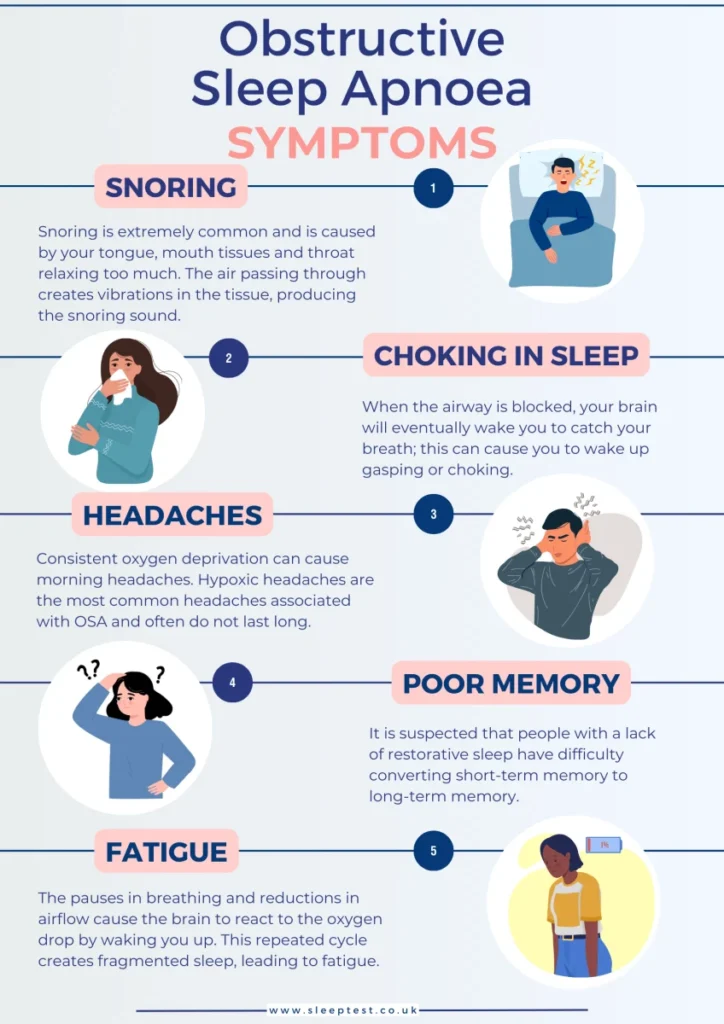
- You wake up with a dry mouth, sore throat, or headache.
- You feel unrefreshed despite enough hours in bed.
- Your partner reports pauses, choking, or gasping.
- You’re relying on caffeine to function most days.
Medical note: Loud snoring plus choking/gasping, witnessed breathing pauses, or excessive daytime sleepiness can be signs of sleep apnea. A mouthpiece may not be enough. Consider a clinical evaluation.
Why are anti-snoring devices everywhere right now?
Two reasons. First, sleep tech is booming, so “fix your sleep” products are having a moment. Second, researchers keep testing new approaches, from nasal devices to innovative anti-snoring concepts being studied in clinical trials.
At the same time, headlines and guides about sleep apnea management and even benefits paperwork have made airway health more mainstream. People are connecting the dots between snoring, energy, blood pressure, and burnout.
If you want the research conversation around nose-focused tools, see this related coverage: Sleep Apnea VA Rating Guide: How to Get 50% or Higher.
What does an anti snoring mouthpiece do (in plain English)?
Most anti-snoring mouthpieces aim to keep your airway more open by changing what your jaw and tongue do when you relax.
The common mechanism
- Jaw-forward support: A mandibular advancement style gently moves the lower jaw forward, which can reduce airway collapse in some people.
- Tongue management: By stabilizing the mouth position, it may help keep the tongue from falling back.
This is why mouthpieces can be a budget-friendly, at-home test. You’re addressing a frequent snoring driver without buying five different “sleep hacks.”
How do you know if a mouthpiece is worth trying first?
Use a quick filter. If you hit more “yes” than “no,” a mouthpiece is a reasonable first step.
Green lights
- You snore more on your back.
- You snore more after alcohol or when overtired (hello, travel fatigue).
- You wake up with a slack jaw or open mouth.
- You want a practical option before spending on bigger sleep gear.
Slow down and consider evaluation
- Breathing pauses, gasping, or choking during sleep.
- High daytime sleepiness or drowsy driving risk.
- Uncontrolled high blood pressure or significant cardiometabolic risk.
What should you look for so you don’t waste money?
Ignore the hype and focus on three things: comfort, retention, and a design that matches how you sleep.
1) Comfort you can actually tolerate
If it hurts, you won’t use it. Mild adjustment discomfort can happen early. Persistent pain is a stop sign.
2) A secure fit that stays put
Snoring solutions fail when they slip out or you spit them out mid-night. A stable fit matters more than fancy marketing.
3) Extra help if mouth-opening is your pattern
If your mouth falls open at night, a combo approach can make sense. That’s where a chinstrap paired with a mouthpiece may help with consistency.
If you’re comparing options, here’s a relevant product-style example to evaluate: anti snoring mouthpiece.
What else can you do tonight that’s low-cost?
Keep it simple. You want changes that improve sleep quality without turning bedtime into a project.
Small moves with decent upside
- Side-sleep support: Use a pillow setup that makes back-sleeping less likely.
- Alcohol timing: If you drink, avoid late-night alcohol when possible.
- Nasal comfort: If congestion is a factor, basic humidity or saline can help comfort. Don’t overdo medicated sprays without guidance.
- Schedule protection: Burnout worsens sleep. A consistent wind-down beats another app.
When should you stop self-experimenting and talk to a clinician?
Get medical advice if you suspect sleep apnea, have significant daytime impairment, or your partner notices breathing pauses. Also ask before using a mouthpiece if you have TMJ disorders, significant dental issues, or ongoing jaw pain.
Medical disclaimer: This article is for general education and does not diagnose, treat, or replace medical advice. If you have symptoms of sleep apnea or other sleep disorders, seek evaluation from a qualified clinician.
FAQ: quick answers people are asking
Do anti-snoring mouthpieces work for everyone?
No. They tend to help most when snoring is linked to jaw/tongue position. If you may have sleep apnea, get evaluated first.
Is snoring always a sign of sleep apnea?
No. Many people snore without apnea. But loud, frequent snoring plus choking/gasping, daytime sleepiness, or high blood pressure can be warning signs.
What’s the difference between a mouthpiece and a nasal dilator?
A mouthpiece changes jaw/tongue position to keep the airway more open. A nasal dilator aims to improve airflow through the nose. Some people try both, depending on the cause.
How fast should an anti-snoring mouthpiece help?
Many people notice changes within a few nights. Give it about 1–2 weeks to judge comfort, fit, and whether snoring and sleep quality improve.
Can a mouthpiece cause jaw pain or tooth discomfort?
It can, especially early on or if the fit is off. Stop if pain persists, and consider a different design or professional guidance if you have TMJ issues.
Want the shortest path to a quieter night?
Pick one primary strategy, test it for a week, and track two outcomes: partner disturbance and morning energy. That’s how you avoid the “drawer of sleep gadgets” problem.