
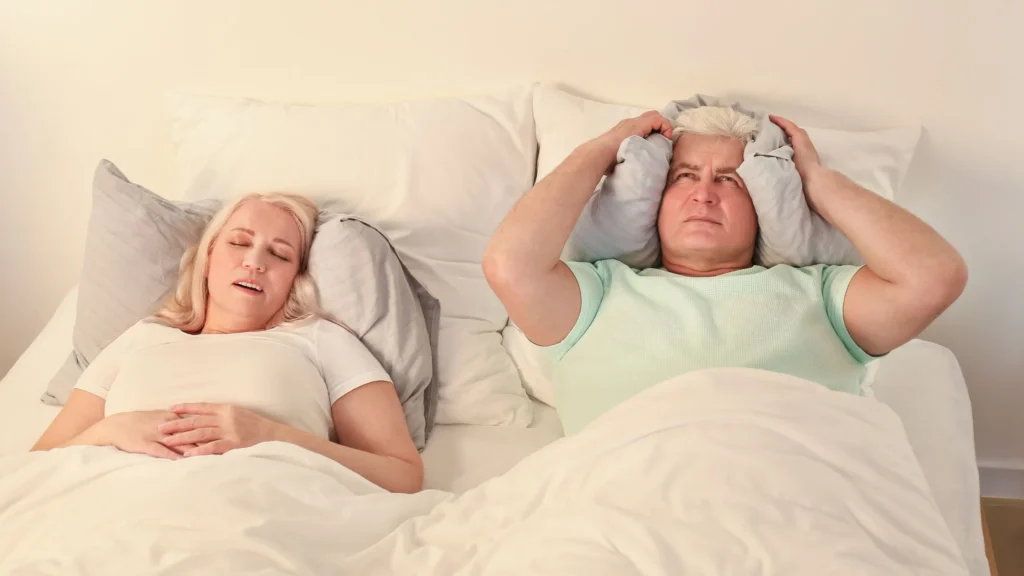
Is snoring just “annoying,” or is it wrecking your sleep quality?
Should you try mouth taping because TikTok makes it look easy?
Or is an anti snoring mouthpiece the simplest at-home move that doesn’t waste another week?
Snoring is having a cultural moment. Sleep gadgets are everywhere, burnout is real, and travel fatigue turns even “good sleepers” into noisy roommates. Add relationship humor about the “human chainsaw” in bed, and it’s no surprise people chase fast fixes.
But not every trend is low-risk. Some recent coverage has highlighted clinician concerns about mouth taping at night, especially when the cause of mouth breathing isn’t clear. If your goal is better rest without rolling the dice, a decision guide helps.
Your no-waste decision guide (If…then…)
If snoring is occasional (travel, allergies, a late night)… then start with the cheap basics
If you only snore after a red-eye flight, a few drinks, or a congested week, don’t start by buying a drawer full of devices. Focus on the obvious triggers first.
- If you’re congested, then prioritize nasal comfort (humidifier, shower steam, saline rinse) and side sleeping.
- If you’re sleep-deprived, then protect a consistent bedtime for a week. Overtired sleep can get louder.
- If you’re sharing a room (partner or hotel), then pack simple tools: nasal strips, earplugs, and a backup pillow that supports side sleeping.
These steps won’t solve every case, but they’re low-cost and low-commitment. They also help you learn whether the snoring is situational or persistent.
If snoring is frequent and you wake up unrefreshed… then consider an anti snoring mouthpiece
If the noise shows up most nights and your sleep feels thin, an anti snoring mouthpiece is often the most practical “do it at home” option. It’s also easier to evaluate than a pile of apps and wearables.
Many mouthpieces work by gently positioning the jaw to help keep the airway more open. When it works, you’ll usually notice two changes: fewer complaints from the other side of the bed, and fewer micro-wakeups that leave you foggy.
If you’re budget-focused, then look for a design that balances adjustability and comfort. Too bulky and it sits in a drawer. Too flimsy and it doesn’t do much.
If you’re tempted by mouth taping… then pause and choose a safer path
Mouth taping is trending because it feels like a “one-step hack.” The problem is that mouth breathing can be a symptom, not the root cause. Blocking the mouth without knowing why you’re compensating can be risky.
If you want the cultural reference point, here’s a general explainer-style resource that reflects the current conversation: Why Doctors Say You Shouldn’t Tape Your Mouth Shut at Night.
If you still mouth-breathe at night, then treat it as a clue. Try improving nasal comfort and consider a mouthpiece approach that doesn’t rely on sealing your lips shut.
If you have red flags for sleep apnea… then skip the gadget loop and get evaluated
Snoring can be harmless, but it can also overlap with obstructive sleep apnea. You don’t need to self-diagnose. You do need to recognize when “another purchase” is the wrong next move.
- If you (or a partner) notice pauses in breathing, then talk to a clinician.
- If you wake up choking or gasping, then get checked sooner rather than later.
- If daytime sleepiness is affecting work or driving, then prioritize medical screening.
Think of it like workplace burnout: you can’t “biohack” your way out of a real problem with another accessory. The right support is worth it.
How to pick a mouthpiece without wasting a cycle
Fit and comfort: the make-or-break details
If a mouthpiece hurts, you won’t wear it. If you don’t wear it, it can’t help your sleep quality. That’s the whole game.
- If you get jaw soreness, then reduce advancement (if adjustable) and re-check the fit.
- If you grind your teeth, then look for a sturdier design and consider dental input.
- If you sleep with your mouth open, then pairing with a chin strap may help keep things stable.
Practical combo option (mouthpiece + chin support)
Some people do best with a two-part setup: a mouthpiece for jaw position plus a chin strap to reduce mouth drop. If you want a single purchase that covers both angles, consider this anti snoring mouthpiece.
Quick reality check: what “working” should look like
Don’t chase perfection on night one. Use a simple scorecard for 10–14 nights.
- Partner report: snoring volume and frequency down?
- Your morning: fewer headaches, less dry mouth, clearer head?
- Your day: less mid-afternoon crash, fewer “second coffee” emergencies?
If nothing changes after a fair trial, that’s useful information. It may point to a different cause, including possible apnea, nasal obstruction, or a poor fit.
FAQs
Is mouth taping safe for snoring?
It depends on why you’re mouth-breathing. Many clinicians caution against it, especially if you have nasal blockage or possible sleep apnea. Safer options include addressing congestion and using a properly fitted mouthpiece.
Do anti-snoring mouthpieces work right away?
Some people notice less snoring in the first few nights, but comfort and fit can take a week or two. If pain or jaw clicking persists, stop and reassess the fit or talk with a dental professional.
What’s the difference between a mandibular advancement device and a boil-and-bite guard?
Mandibular advancement devices (MADs) gently move the lower jaw forward to open the airway. Boil-and-bite versions are a more affordable, at-home way to get a custom-ish fit, but they’re not as precise as dentist-made devices.
When is snoring a sign of sleep apnea?
Red flags include loud snoring with choking/gasping, witnessed breathing pauses, morning headaches, high daytime sleepiness, or high blood pressure. In those cases, a medical evaluation is a better next step than another gadget.
Can a chin strap help with snoring?
A chin strap may reduce mouth opening for some sleepers and can pair well with a mouthpiece. It won’t fix airway collapse on its own, and it’s not a treatment for sleep apnea.
CTA: Make the next step simple
If snoring is cutting into your sleep quality, choose one practical experiment instead of five half-tries. A mouthpiece is a reasonable place to start for many habitual snorers, especially when you want an at-home option with a clear pass/fail test.
How do anti-snoring mouthpieces work?
Medical disclaimer: This article is for general education only and isn’t medical advice. Snoring can have multiple causes, including sleep apnea. If you have breathing pauses, choking/gasping, significant daytime sleepiness, chest pain, or other concerning symptoms, seek evaluation from a qualified clinician.