
Before you try another sleep “hack,” run this checklist.
Related reading: Scientists warn against viral nighttime mouth-taping trend
Explore options: anti snoring mouthpiece
- Noise check: Is it occasional snoring or nightly, room-shaking snoring?
- Daytime check: Are you tired, foggy, or irritable even after 7–9 hours in bed?
- Safety check: Are you about to copy a viral trend without knowing the risks?
- Relationship check: Is your partner joking about it… but also losing sleep?
- Work/travel check: Are burnout, late flights, or hotel beds making everything worse?
This post covers what people are talking about right now—sleep routines, trending gadgets, and where an anti snoring mouthpiece fits when you want a practical, low-drama plan.
Is my snoring “normal,” or a sign I should screen for something bigger?
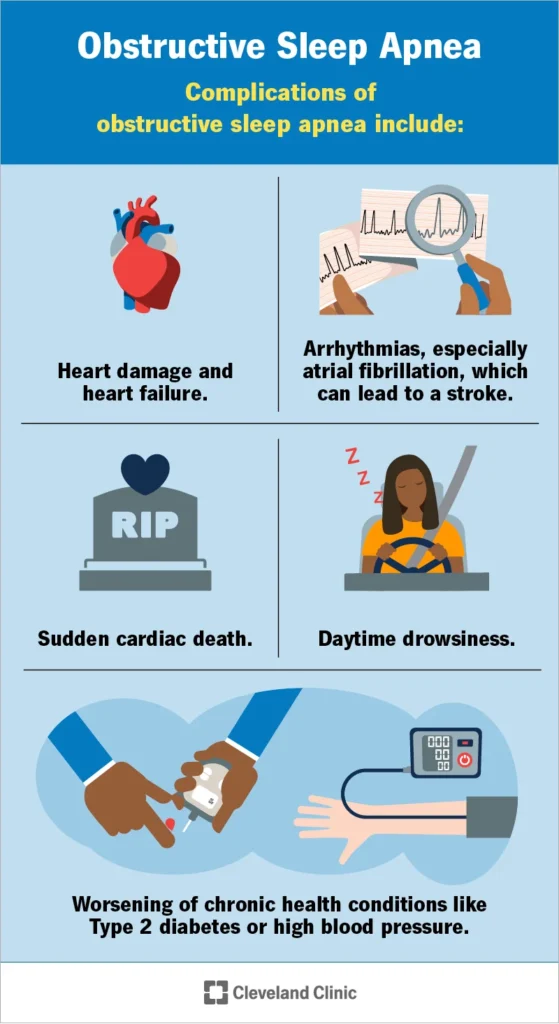
Snoring is common. That doesn’t make it harmless. When snoring pairs with unrefreshing sleep, it can signal that airflow is getting restricted at night.
Screening matters because it reduces risk. It also saves money. If the root issue is sleep apnea, cycling through gadgets can delay the right next step.
Quick red-flag list to document (for you or your clinician)
- Snoring most nights, especially if it’s loud
- Witnessed pauses, choking, or gasping
- Morning headaches or dry mouth
- High daytime sleepiness or dozing off easily
- High blood pressure or heart risk factors
If any of these show up, consider a medical screening. Don’t self-diagnose. Treat the list as a prompt to ask better questions.
Why are sleep routines and “sleep hacks” trending again?
People are tired. Workload creep, late-night scrolling, and travel fatigue stack up fast. So do the consequences: lighter sleep, more snoring, and shorter tempers.
That’s why structured routines are having a moment. You’ll see timed wind-down frameworks and “rules” meant to reduce late caffeine, alcohol, and screen stimulation. Use them as guardrails, not a test of willpower.
Make routines easier (and more realistic)
- Pick one lever: earlier caffeine cutoff, consistent wake time, or a calmer pre-bed hour.
- Plan for travel: assume your sleep will be fragile after flights and long drives.
- Protect the bedroom: cooler, darker, quieter beats “more supplements.”
Is mouth taping a smart idea for snoring, or a risky shortcut?
Mouth taping is everywhere on social feeds. It’s also controversial. Scientists and health writers have warned that it’s not a one-size-fits-all practice, especially if nasal breathing is impaired or if sleep apnea is possible.
If you’re tempted, at least read a balanced overview of risk and uncertainty first. Start here: %HIGH_AUTHORITY_LINK%.
Safer principle: improve airflow without trapping it
- Address nasal congestion (allergies, dryness, irritants) with clinician-approved options.
- Reduce known snore triggers on high-risk nights (alcohol, heavy meals late).
- Use reversible tools first. Avoid anything that could complicate breathing.
Where does an anti snoring mouthpiece actually fit?
An anti snoring mouthpiece is usually designed to support jaw position and help keep the airway more open during sleep. For many people, that’s a more direct approach than chasing the newest gadget.
It also has a relationship upside. If you share a bed, reducing snoring can be the fastest way to stop the nightly “are you awake?” negotiations.
Who tends to consider a mouthpiece?
- People whose snoring is worse on their back
- People who suspect jaw/tongue position plays a role
- Couples who want a quieter night without a full bedroom overhaul
Who should be cautious first?
- Anyone with jaw pain, significant dental issues, or loose teeth
- Anyone with strong sleep apnea red flags
- People who can’t breathe well through their nose at night
What should I look for before buying a mouthpiece online?
Skip the hype language. Focus on fit, comfort, and how you’ll track results. You want something you can actually wear, not something that ends up in a drawer after two nights.
Use this buyer checklist (and document your choice)
- Fit method: boil-and-bite or custom-style fit instructions you can follow
- Adjustability: small changes are easier than “all or nothing” positioning
- Materials + cleaning: clear cleaning steps reduce irritation and infection risk
- Comfort plan: a short ramp-up period is normal; pain is not
- Outcome tracking: partner feedback, a snore app trend line, and morning energy
If you’re comparing options, start with a category page like %PRODUCT_LINK% and evaluate it against the checklist above.
What if ADHD, burnout, or travel is wrecking my sleep quality?
Snoring is only one piece. Sleep quality also drops when your brain won’t downshift, your schedule swings, or you’re running on stress.
For ADHD, the challenge is often consistency. For burnout, it’s recovery. For travel, it’s timing and environment. A mouthpiece can reduce noise, but you still need a repeatable wind-down.
Simple stack that doesn’t rely on motivation
- Anchor a consistent wake time most days
- Build a short pre-bed routine you can do anywhere (hotel included)
- Keep the bedroom cool and dark; treat it like a sleep tool
How do I know if it’s working without guessing?
Don’t rely on one “good night.” Track a week. You’re looking for a pattern: less snoring, fewer wake-ups, and better mornings.
Fast tracking method
- Nightly note (30 seconds): bedtime, alcohol, congestion, device use
- Morning score: energy 1–10 and headache/dry mouth yes/no
- Partner check-in: volume and frequency, not just “you snored”
If snoring stays loud or daytime sleepiness persists, treat that as a signal to screen for sleep-disordered breathing.
FAQ: quick answers people ask before they try a mouthpiece
Can I combine a mouthpiece with a sleep routine?
Yes. A routine improves sleep quality. A mouthpiece targets airway mechanics. They can complement each other.
Will a mouthpiece fix snoring from a cold?
Maybe not. Congestion changes airflow. Address the nasal issue first, and reassess after you’re well.
What if my partner snores too?
Treat it like a shared project. Track triggers, rotate solutions, and consider screening if either of you has red flags.
Medical disclaimer: This article is for general information only and is not medical advice. Snoring can be a symptom of sleep apnea or other conditions. If you have loud habitual snoring, breathing pauses, significant daytime sleepiness, or jaw/dental pain, talk with a qualified clinician or dentist before starting a device.