
Is your snoring just “noise,” or is it stealing real sleep quality?
Are you seeing sleep gadgets everywhere and wondering what actually works?
And if you try an anti snoring mouthpiece, what’s the simplest way to make it comfortable?
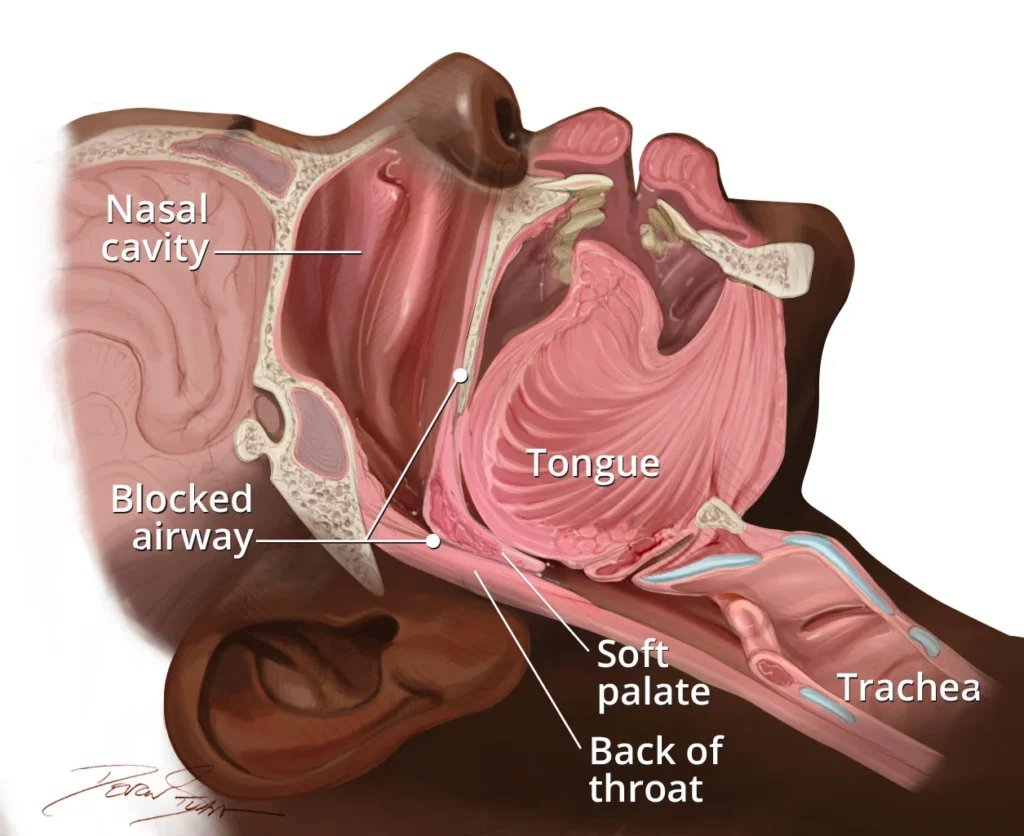
Here’s the grounded answer: snoring often comes down to airflow plus anatomy plus habits. Trends come and go (rings, apps, smart pillows, “one weird tip” routines), but the basics still win. If your snoring is mainly from the throat collapsing back during sleep, a mouthpiece can help by changing jaw and tongue positioning.
Is snoring a sleep quality issue or a “setup” issue?
Sometimes it’s both. You can sleep eight hours and still wake up foggy if your sleep is fragmented. Snoring can be one clue that airflow is getting messy, even if you don’t remember waking.
But a surprising amount of snoring is “setup.” Think: sleeping flat on your back after travel fatigue, a dry hotel room, a late drink, or a stuffed nose from seasonal irritation. Add workplace burnout and inconsistent bedtimes, and your body never gets into a steady rhythm.
Quick self-check (not a diagnosis)
- Timing: Is snoring worse after alcohol, heavy meals, or long flights?
- Position: Is it louder on your back than your side?
- Nose: Do you wake with dry mouth or feel congested at night?
- Daytime: Do you feel unrefreshed, irritable, or like you need naps?
If you suspect sleep apnea (gasping, choking, witnessed breathing pauses, severe daytime sleepiness), prioritize medical evaluation. Snoring solutions are not a substitute for that.
Why are people talking about nasal care and “simple” sleep fixes?
Sleep coverage lately has leaned toward low-effort habits: small bedtime routines, light exposure, and basic airway comfort. One recurring theme is the nose. When nasal passages are dry or irritated, you may mouth-breathe more, and that can make snoring worse.
Recent headlines have also discussed intranasal saline in children with sleep-disordered breathing. That’s a specific population and a specific approach, but it reinforces a bigger point: airflow matters, and “simple” can still be meaningful when it fits the cause.
If you want to read the general coverage that sparked this conversation, see this source: Saline nasal spray found to ease sleep apnea symptoms in children.
When does an anti snoring mouthpiece make the most sense?
An anti snoring mouthpiece is usually designed to reduce snoring by improving airway space, often by gently moving the lower jaw forward. People tend to like them because they’re portable, low-tech, and don’t require charging. They also fit the current “sleep gadget” moment without turning your nightstand into a command center.
It can be a strong option when:
- Snoring is worse on your back.
- You wake with dry mouth (possible mouth-breathing).
- Your partner reports steady snoring rather than sporadic congestion-only snoring.
- You want a travel-friendly tool for hotel rooms and red-eye recovery.
It may be less helpful when nasal blockage is the main driver. In that case, nasal comfort steps (like humidity and saline) can be part of the plan.
What mouthpiece details actually matter (fit, comfort, positioning)?
Most people quit because of comfort, not because the idea is bad. Treat it like breaking in new shoes: a little technique prevents a lot of frustration.
1) Fit: aim for “secure,” not “tight”
If it clamps down or makes you feel panicky, it’s too aggressive. A good fit stays in place without forcing your bite. Your goal is steady contact and minimal pressure points.
2) Positioning: small changes beat big jumps
More forward isn’t always better. Too much advancement can irritate the jaw. Start conservatively and adjust only if snoring persists and comfort stays good.
3) Comfort: plan a short adaptation window
Expect a few nights of “this feels weird.” That’s normal. What’s not normal is sharp pain, numbness, or jaw locking. If you get those, stop and get dental or medical guidance.
4) Cleanup: keep it easy so you’ll stick with it
Rinse it in the morning. Use a soft brush and mild soap. Let it air-dry fully. Skip hot water unless the instructions allow it, because heat can warp some materials.
If you’re comparing options, this can help you scan what’s available: anti snoring mouthpiece.
Can a mouthpiece help relationship sleep without the “sleep divorce” vibe?
Snoring has a weird cultural moment right now: half health topic, half relationship comedy. Many couples joke about separate bedrooms, but the real issue is resentment from broken sleep.
A practical approach helps: treat snoring like a shared problem with a trial plan. Pick a two-week window. Track what changes (snoring volume, wake-ups, morning energy). Keep the conversation about sleep quality, not blame.
What else should you do alongside a mouthpiece for better sleep health?
Think of a mouthpiece as one tool in a small kit. The basics still pull a lot of weight, especially during burnout seasons.
- Side-sleep support: A pillow or positioning aid can reduce back-sleep snoring.
- Consistent wind-down: Even 15 minutes of the same routine helps your brain downshift.
- Nasal comfort: If dryness or congestion is common, consider humidity and gentle saline use.
- Travel reset: After long trips, prioritize hydration, earlier light exposure, and a stable bedtime.
FAQ
Will an anti snoring mouthpiece stop snoring immediately?
Some people notice a change the first night, but most need a few nights to adjust fit and comfort. If snoring is driven by nasal blockage or illness, results may be limited.
What’s the difference between snoring and sleep apnea?
Snoring is sound from vibration in the airway. Sleep apnea involves repeated breathing disruptions and can occur with or without loud snoring. A clinician can evaluate symptoms and risk.
Can nasal saline help snoring?
Nasal saline may help when congestion or dryness is part of the problem. Recent news has discussed intranasal saline in children with sleep-disordered breathing, but that doesn’t replace medical care or apply to every case.
How do I clean a mouthpiece without damaging it?
Rinse after use, brush gently with mild soap, and let it air-dry. Avoid hot water and harsh cleaners unless the product instructions say they’re safe.
Is it safe to use an anti-snoring mouthpiece if I have jaw pain?
If you have TMJ symptoms, dental issues, or jaw pain, get dental guidance first. Discomfort that persists is a sign to pause and reassess fit or device type.
Ready to test a simple, low-tech plan?
Try one change at a time so you know what worked. If your snoring sounds positional and throat-based, a mouthpiece is a reasonable next step.
How do anti-snoring mouthpieces work?
Medical disclaimer: This article is for general education only and isn’t medical advice. Snoring can be a sign of sleep apnea or other health issues. If you have breathing pauses, choking/gasping, chest pain, severe daytime sleepiness, or concerns about a child’s sleep, seek evaluation from a qualified clinician.