
On a Sunday night, “J” unpacked from a work trip, set three new sleep gadgets on the nightstand, and promised the week would be different. A white-noise app. A smart ring. A viral tip someone swore would “fix snoring overnight.” By 2 a.m., their partner had moved to the couch, and the next morning started with jokes that weren’t really jokes.
If that sounds familiar, you’re not alone. Snoring is having a cultural moment—part relationship comedy, part wellness trend, part burnout symptom. The good news: you can get more strategic. An anti snoring mouthpiece can be a solid option for the right kind of snoring, but it works best when you pair it with basic screening and a simple plan.
The quick overview: why snoring hits sleep quality so hard
Snoring is noisy breathing caused by vibration in the upper airway. Even when it’s “just snoring,” it can fragment sleep for you and whoever shares the room. That can show up as groggy mornings, short temper, and the feeling that eight hours still wasn’t enough.
Also important: sometimes snoring is a sign of something bigger. Sleep apnea is commonly discussed in mainstream health coverage for a reason. If your snoring comes with choking/gasping, witnessed breathing pauses, or significant daytime sleepiness, treat that as a screening issue, not a gadget problem.
For a general, trend-focused rundown of what people are trying right now, see this Forget mouth taping — these 3 things will actually help you stop snoring in 2026.
Timing: when to try a mouthpiece (and when to pause)
Good timing for a mouthpiece
Consider a mouthpiece when snoring is frequent, position-related (worse on your back), or tied to a relaxed jaw/tongue at night. It’s also a practical choice when travel fatigue, inconsistent schedules, or stress make your sleep lighter and your snoring more noticeable.
Pause and screen first if you notice red flags
Don’t “DIY your way” through symptoms that suggest sleep apnea. Get medical screening if you have loud snoring plus any of the following: gasping/choking, observed pauses in breathing, morning headaches, high blood pressure concerns, or severe daytime sleepiness.
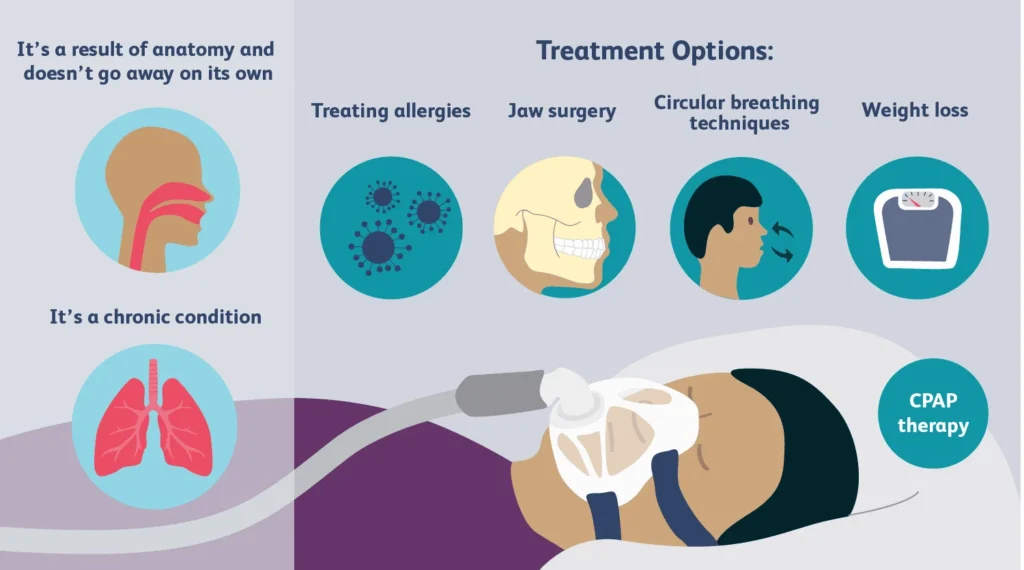
Weight changes can also matter for breathing during sleep. If weight loss is part of your health plan, it may improve sleep-breathing issues for some people, but it’s not a same-week fix. Keep the focus on safety and evaluation if symptoms are significant.
Supplies: what you’ll want before night one
- Anti-snoring mouthpiece that matches your needs (comfort, adjustability, and instructions you can follow).
- Cleaning basics: a toothbrush you don’t mind using for the device, mild soap, and a ventilated case.
- Optional support: nasal strips/saline for congestion, and a pillow setup that encourages side sleeping.
- Documentation: a simple notes app log (snoring reports, sleep quality, jaw comfort). This reduces guesswork and helps if you talk to a clinician later.
If you’re comparing options, this anti snoring mouthpiece is the kind of pairing some people look for when mouth opening is part of their snoring pattern.
Step-by-step (ICI): a simple plan you can actually follow
This is an “ICI” approach: Identify likely triggers, Choose a low-risk intervention, then Iterate based on what you observe.
1) Identify what’s driving your snoring this week
Use a two-minute check-in before bed. Ask: Am I congested? Did I drink alcohol close to bedtime? Am I sleeping on my back lately? Am I overtired from travel or burnout?
Write down one or two likely drivers. Keep it simple. You’re looking for patterns, not perfection.
2) Choose your first move: mouthpiece plus one support
If jaw/tongue position seems likely, start with the mouthpiece as the main intervention. Pair it with one supportive change that doesn’t create new risks—like side-sleeping support or basic nasal care.
Avoid stacking five new hacks at once. When everything changes, you can’t tell what helped.
3) Fit and use it safely
- Follow the product’s fitting directions closely. A poor fit can cause soreness and non-compliance.
- Start gradually if needed. Short wear periods can help you adapt.
- Stop and reassess if you develop sharp jaw pain, tooth pain, or worsening headaches.
Safety note: viral trends can be tempting when you’re desperate for sleep. Choose tools designed for the job, and keep airflow and comfort as your priority.
4) Iterate with a 7-night mini audit
Each morning, rate: (1) snoring reports from a partner/app, (2) how rested you feel, and (3) jaw comfort. After a week, you’ll know whether the mouthpiece is trending in the right direction.
If you see no improvement, don’t assume you “failed.” It may mean the main driver isn’t jaw position, or that you need a different size/style—or medical screening.
Common mistakes that waste money (or raise risk)
Chasing the loudest trend instead of the likeliest cause
Sleep gadget culture moves fast. Snoring solutions don’t. Pick an approach that matches your pattern rather than what’s trending in your feed.
Ignoring screening signals
If symptoms suggest sleep apnea, a mouthpiece might reduce noise but still miss the health risk. Screening protects you and helps you document the right next step.
Over-tightening, over-wearing, or “toughing it out”
Discomfort is feedback. Jaw and tooth pain are not a badge of progress. Adjust fit as directed and pause if pain persists.
Skipping hygiene and storage
Clean the device regularly and let it dry in a ventilated case. This reduces odor, irritation, and the “I stopped using it because it felt gross” problem.
FAQ: quick answers people ask at 1 a.m.
Is an anti-snoring mouthpiece the same as a sports mouthguard?
No. Sports guards protect teeth from impact. Anti-snoring devices are designed to influence jaw or tongue position to improve airflow.
What if my partner says I still snore sometimes?
Occasional snoring can happen with congestion, alcohol, or back-sleeping. Track when it happens. That context helps you fine-tune your plan.
Can workplace burnout make snoring worse?
Burnout can disrupt sleep schedules and increase lighter sleep, which can make snoring more noticeable. It may not be the root cause, but it can amplify the problem.
CTA: make your next step easy
If your snoring seems position-related and you want a practical tool—not another vague “sleep hack”—a mouthpiece may be worth trying with a simple 7-night log.
How do anti-snoring mouthpieces work?
Medical disclaimer: This article is for general education and is not medical advice. Snoring can be a symptom of obstructive sleep apnea or other health conditions. If you have choking/gasping, witnessed breathing pauses, significant daytime sleepiness, chest pain, or persistent symptoms, seek evaluation from a qualified clinician.