
Before you try another sleep gadget, run this quick checklist:
- Track the pattern: Is snoring nightly, or only after alcohol, allergies, or travel fatigue?
- Check the stakes: Is it “annoying,” or are you waking up unrefreshed with daytime fog?
- Scan for red flags: Choking/gasping, pauses in breathing, morning headaches, or high blood pressure deserve medical attention.
- Pick one change at a time: New pillow + tape + spray + mouthpiece = no idea what worked.
- Plan for comfort: The best solution is the one you can actually wear all night.
Big picture: why snoring feels louder lately
Snoring isn’t new. What’s new is how much it collides with modern life. People are juggling workplace burnout, late-night screens, and “always on” schedules. Then add travel fatigue, hotel beds, and dry airplane air. Your sleep gets lighter, and snoring gets more noticeable.
It also doesn’t help that sleep tech is everywhere. Rings, apps, smart alarms, and “sleep stacks” can be useful. Yet they can turn a simple problem into a complicated project.
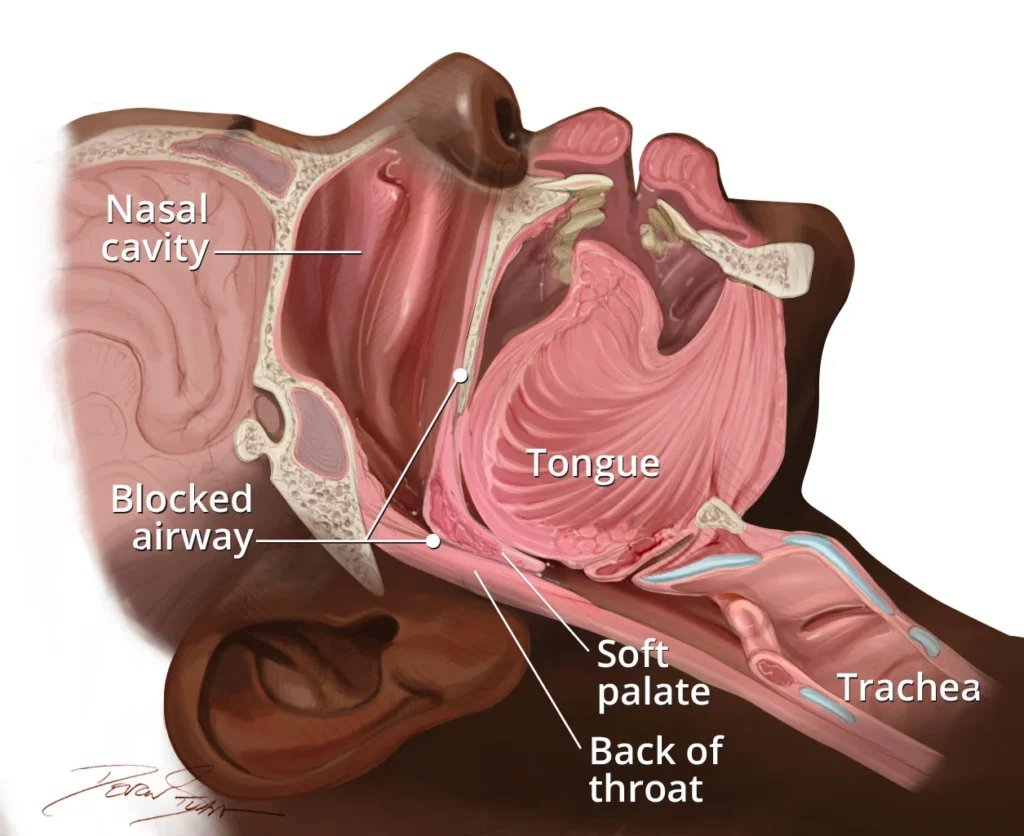
If you want a grounded starting point, focus on airflow and sleep continuity. Snoring often comes from vibration when the airway narrows during sleep. That narrowing can be influenced by nasal congestion, sleep position, alcohol, and jaw/tongue placement.
The human side: partners, jokes, and real consequences
Snoring is the rare health issue that becomes a relationship storyline. People joke about “sleep divorce,” spare bedrooms, and noise-canceling headphones. Funny, until nobody is sleeping.
Broken sleep changes your day fast. You may feel more reactive, less focused, and less patient. Your partner can feel it too, even if they’re the one nudging you at 2 a.m.
That’s why solutions that reduce noise and interruptions matter. The goal isn’t perfection. It’s fewer wake-ups and a more stable night.
Practical steps: where an anti snoring mouthpiece can help
An anti snoring mouthpiece is a tool that aims to improve airflow by changing oral positioning during sleep. Many designs work by gently moving the lower jaw forward (often called mandibular advancement). Some focus on tongue positioning. The concept is simple: more room in the airway can mean less vibration.
Who tends to like mouthpieces
- People whose snoring is worse on their back.
- Those who want a low-profile option for home or travel.
- Anyone trying to reduce partner disruption without adding another loud device.
How to set yourself up for success (comfort first)
Most mouthpiece failures aren’t about the idea. They’re about comfort and consistency. Use this approach:
- Start with short wear windows: Try 30–60 minutes before sleep for a few nights, then increase.
- Go slow on adjustments: Small changes beat “max forward” on night one.
- Pair with positioning: Side sleeping and head/neck alignment often amplify results.
- Keep your nose in the game: If you’re congested, mouth-breathing can spike snoring. Basic nasal hygiene may help some people, and recent health coverage has discussed saline approaches in certain contexts. Keep expectations realistic and follow age-appropriate guidance.
Travel reality check
Snoring can flare on trips because sleep is lighter, routines slip, and dehydration is common. A mouthpiece can be easier to pack than bulky gear. Still, test it at home first. Nobody wants “new device night” in a hotel with thin walls.
Safety and testing: how to know if it’s working (and when to stop)
Use a simple two-week test. Don’t chase perfect data. Look for practical signals:
- Fewer partner wake-ups or fewer nudges.
- Less dry mouth and fewer sore-throat mornings.
- More stable energy in the afternoon.
Also watch for deal-breakers. Stop and reassess if you get jaw pain that persists into the day, tooth pain, or worsening headaches. If you suspect sleep apnea, don’t self-manage. Snoring can overlap with apnea, and symptoms matter more than volume.
If you’re still snoring even with other gear
Some people snore despite using well-known therapies. Recent sleep coverage has discussed scenarios where snoring can continue even when someone is using CPAP, which can point to mask fit, pressure settings, mouth leak, or other factors. If that’s you, use reputable guidance and loop in your sleep clinician. For a general overview, see Still Snoring With a CPAP Machine?.
Tool + technique: making a mouthpiece routine stick
Think of a mouthpiece as “equipment,” not a miracle. Technique is the multiplier.
Positioning basics (the low-effort wins)
- Side-sleep support: A pillow that keeps your head neutral can reduce airway collapse.
- Chin drop control: If your mouth falls open, snoring can worsen. Some people prefer a combo approach that supports closed-mouth breathing.
Cleanup and care (so it doesn’t get gross)
- Rinse after each use.
- Brush gently with mild soap.
- Air-dry fully and store in a ventilated case.
Skip harsh cleaners unless the manufacturer recommends them. Strong chemicals can degrade materials and irritate gums.
Common questions, answered fast
Will a mouthpiece fix snoring for everyone?
No. Snoring has multiple causes. A mouthpiece helps most when jaw/tongue position is part of the problem.
Can I use one if I have dental work?
Maybe. If you have crowns, bridges, implants, or TMJ history, ask a dentist first.
What if I wake up and it’s out of my mouth?
That’s usually a fit or comfort issue. A slower ramp-up and minor adjustments can help.
CTA: a simple option to consider
If you want a travel-friendly setup that also supports closed-mouth breathing, consider an anti snoring mouthpiece. It’s designed to pair positioning with stability, which many people need for consistent nights.
How do anti-snoring mouthpieces work?
Medical disclaimer: This article is for general education only and isn’t medical advice. Snoring can be a sign of sleep apnea or other health conditions. If you have choking/gasping, breathing pauses, significant daytime sleepiness, or concerns about a child’s sleep, talk with a qualified clinician.