
- Snoring is trending again because sleep gadgets and “quick fixes” are everywhere.
- Sleep quality is the real goal, not just a quieter room.
- An anti snoring mouthpiece can be practical when jaw/tongue position is part of the problem.
- Nasal options matter if congestion or airflow through the nose is limiting you.
- Some snoring needs a medical workup, especially when sleep apnea is possible.
Snoring has a way of turning into a relationship sitcom. One person wants silence. The other wants to “try one more hack.” Add travel fatigue, packed calendars, and workplace burnout, and sleep becomes a nightly negotiation.
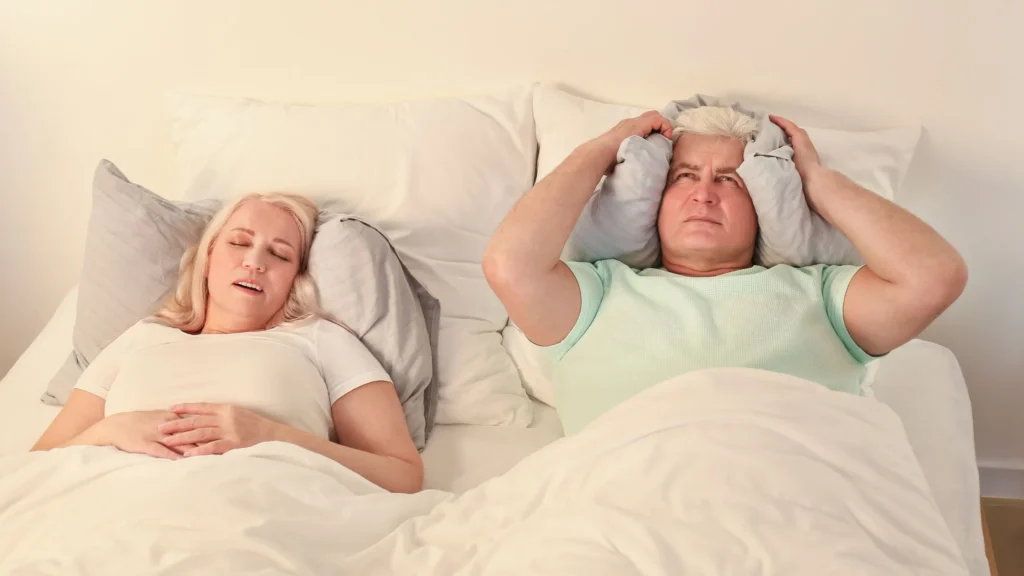
Here’s the budget-friendly way to think about it: reduce the noise, protect sleep quality, and don’t waste a month on trends that don’t match your type of snoring.
What people are talking about right now (and why)
Dental sleep therapy is getting more attention
Recent dentistry coverage has highlighted how oral devices are evolving for sleep-disordered breathing, including obstructive sleep apnea (OSA). That matters because it frames mouthpieces as more than “a gadget.” They’re part of a broader clinical conversation.
If you want the source context, see January JADA outlines emerging dental therapies for obstructive sleep apnea.
Nasal breathing tools are having a moment
Nasal strips, internal dilators, and “breathe better” devices keep popping up in reviews and roundups. Some people get real relief, especially when their snoring is driven by congestion or restricted nasal airflow. Others notice almost nothing.
Mouth taping is getting pushback
Tech sites and sleep writers are increasingly skeptical of one-size-fits-all hacks. The vibe is shifting toward safer, more realistic changes you can actually stick with.
What matters medically (plain language, no drama)
Snoring is vibration from a narrowed airway
Snoring usually happens when airflow gets turbulent. Soft tissues vibrate. The “why” varies: nose, soft palate, tongue position, jaw position, or a mix.
When snoring is more than a nuisance
OSA is the big reason clinicians take snoring seriously. It’s not just noise. OSA involves repeated breathing interruptions during sleep. Many reputable health sources also emphasize the link between sleep apnea and cardiovascular strain.
You don’t need to self-diagnose. You do need to notice patterns. If there are witnessed breathing pauses, choking/gasping, or heavy daytime sleepiness, treat that as a signal to get evaluated.
Where an anti snoring mouthpiece fits
Many mouthpieces aim to keep the lower jaw slightly forward during sleep. That can help keep the tongue from collapsing backward and narrowing the airway. For the right person, it can reduce snoring and improve sleep continuity.
It’s not a universal fix. If your snoring is mostly nasal or driven by illness/allergies, a mouthpiece may be less impressive than you hoped.
How to try this at home (without wasting a cycle)
Step 1: Do a quick “snore audit” for 3 nights
Keep it simple. Note:
- Sleep position (back vs side)
- Alcohol close to bedtime (yes/no)
- Nasal congestion (none/mild/bad)
- How you felt the next day (refreshed vs foggy)
This prevents random spending. It also helps you choose the right first move.
Step 2: Pick one low-cost lever first
- If congestion is loud and obvious: focus on nasal airflow (saline rinse, allergy control, or a nasal device if appropriate).
- If back-sleeping triggers it: try side-sleep support (pillows or positioning).
- If jaw/tongue position seems likely: consider an oral appliance approach.
Step 3: If you go mouthpiece, make comfort the priority
Consistency beats intensity. A mouthpiece that sits unused on your nightstand won’t help your sleep quality.
If you’re comparing options, a bundled approach can be appealing for people who also struggle to keep their mouth closed at night. Example: anti snoring mouthpiece.
Step 4: Measure outcomes that matter
Don’t grade success only by “my partner complained less.” Track:
- Fewer wake-ups
- Less dry mouth
- Better morning energy
- Fewer headaches
Quiet is great. Restorative sleep is better.
When to stop experimenting and get help
DIY is fine for simple snoring. It’s not the right lane for suspected sleep apnea.
- Get evaluated soon if someone notices pauses in breathing, you wake up gasping, or you’re dangerously sleepy during the day.
- Move faster if you have high blood pressure, heart disease risk factors, or you’re nodding off while driving.
- Ask about dental sleep options if you’ve been told you have OSA or you’re exploring alternatives to CPAP with a clinician.
Medical disclaimer: This article is for general education and does not diagnose, treat, or replace medical advice. If you suspect sleep apnea or have significant daytime sleepiness, talk with a qualified clinician for testing and personalized guidance.
FAQ
Is snoring always a sign of sleep apnea?
No. Many people snore without sleep apnea. But loud, frequent snoring plus choking/gasping, daytime sleepiness, or high blood pressure should be evaluated.
Can an anti snoring mouthpiece help if I sleep on my back?
Often, yes. Back-sleeping can let the jaw and tongue fall back, narrowing the airway. A mouthpiece may reduce that collapse for some people.
Are nasal dilators worth trying first?
They can help if congestion or nasal restriction is a big driver of your snoring. Results vary, so it’s usually a low-cost, low-risk trial for the right person.
What if my partner says the snoring is “random”?
Snoring often spikes with alcohol, travel fatigue, allergies, weight changes, or sleeping position. A simple tracking note can reveal patterns fast.
When should I stop DIY fixes and get tested?
Seek medical advice if you have witnessed pauses in breathing, gasping, morning headaches, severe daytime sleepiness, or if you have heart risk factors.
CTA: One click to get oriented
If you’re ready to explore mouthpiece options without overthinking it, start here: