
On the third night of a work trip, Jordan did the classic “hotel pillow flip” at 3:07 a.m. The room was quiet, but the group chat wasn’t: a video captioned, “You’re snoring like a lawnmower.”
By breakfast, Jordan had a cart full of trending sleep gadgets—noise-reducing gizmos, apps, and a “micro” anti-snore device that promised big results in a tiny package. Sound familiar? Right now, sleep health is having a moment, and snoring is often the reason people start paying attention.
Why is everyone suddenly talking about snoring and sleep quality?
Snoring isn’t new. What’s new is the mix of burnout, travel fatigue, and wearable sleep scores that turn a rough night into a data point.
Daylight savings shifts also push people to notice their sleep timing. When your schedule moves but your body doesn’t, snoring and fragmented sleep can feel louder—literally and figuratively.
Snoring has a “relationship impact” people joke about for a reason
Couples humor aside, snoring can disrupt both partners’ sleep. That can show up as irritability, poor focus, and low energy at work the next day.
What does snoring actually do to sleep quality?
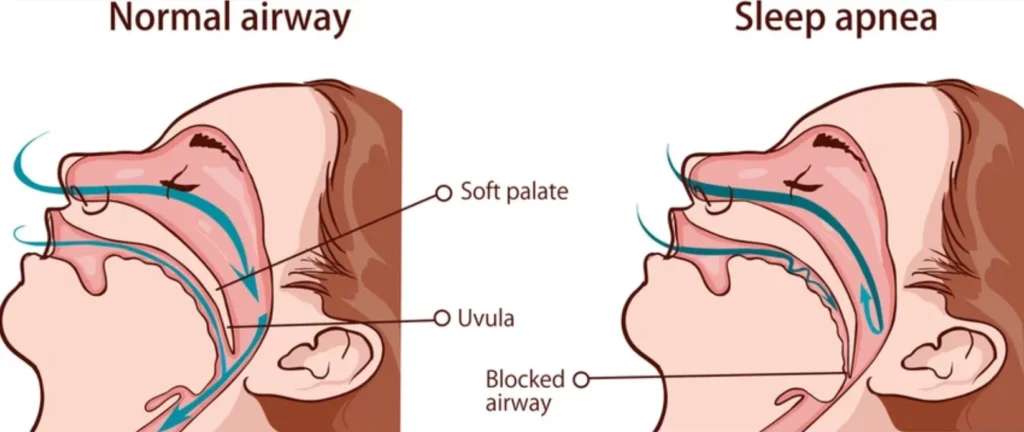
Snoring can be just noise, but it can also signal airflow restriction. Either way, it often pairs with lighter sleep and more awakenings.
Some people wake up repeatedly without remembering it. Others get the 3 a.m. wide-awake feeling and blame stress, screens, or the hotel bed. Sometimes those are real factors. Sometimes snoring is part of the pattern.
When is snoring a medical red flag, not a punchline?
Here’s the safety-first point: loud, frequent snoring can be associated with obstructive sleep apnea (OSA), a condition that needs proper screening and treatment. If you suspect OSA, don’t self-treat with random gadgets and hope for the best.
If you want a quick overview of what people commonly learn after diagnosis, read up on Shop Micro Electric CPAP Noise Anti Snoring Device Sleep Apnea Stop Snore Aid Stopper – BLUE – Dick Smith and bring questions to a clinician.
Consider screening sooner if you notice:
- Breathing pauses witnessed by a partner
- Choking or gasping at night
- Morning headaches or dry mouth
- High daytime sleepiness or dozing off easily
- High blood pressure concerns (talk with your clinician)
Do anti-snoring devices work, or is it all hype?
People are shopping hard right now—especially for compact devices that promise quieter nights. The reality is simpler: the right tool depends on why you snore.
Some solutions are environmental (side sleeping, alcohol timing, allergies). Others are mechanical, like mouthpieces that change jaw or tongue position to reduce airway narrowing.
Where does an anti snoring mouthpiece fit in?
An anti snoring mouthpiece is often used for primary snoring and, in some cases, clinician-guided snoring related to airway anatomy. Many designs aim to gently reposition the lower jaw or stabilize the tongue.
It’s popular because it’s portable and doesn’t require electricity. That matters for travel, red-eye flights, and “I forgot my charger” nights.
What a mouthpiece can be good for
- Partner-disturbing snoring without major red flags
- Travel-friendly sleep support
- People who want a simple, non-tech option
What a mouthpiece is not
- A guaranteed fix for every snorer
- A substitute for CPAP when CPAP is medically indicated
- A smart idea if you have untreated jaw pain or significant dental issues (ask your dentist)
How do you choose a mouthpiece without making things worse?
Snoring products are everywhere, and headlines can make any device sound like the answer. Use a basic risk filter before you buy.
Start with comfort and safety checkpoints
- Breathing: You should be able to breathe comfortably through your nose at rest.
- Jaw history: TMJ pain, locking, or frequent headaches deserve a dental conversation first.
- Fit: Poor fit can increase discomfort and reduce adherence.
- Hygiene: Clean the device as directed to reduce irritation and odor buildup.
If you’re comparing options, see anti snoring mouthpiece and focus on fit, comfort, and realistic expectations.
What about mouth tape and other sleep trends people keep trying?
Mouth tape gets attention because it’s simple and social-media friendly. It can also be the wrong move if nasal breathing is compromised or if sleep apnea is possible.
If you’re curious, treat it like a safety question, not a hack. If you can’t breathe freely through your nose while awake, skip it. If you suspect apnea, get evaluated instead of experimenting.
What can you do tonight to support better sleep (even if you still snore)?
You don’t need a perfect routine. You need a few repeatable habits that reduce fragmentation.
Quick wins that show up in real life
- Keep alcohol earlier and lighter when possible.
- Set the room cooler and darker than you think you need.
- Get bright light in the morning, especially after time changes.
- Try side sleeping if you notice back-sleeping makes snoring louder.
- Watch late caffeine—its “half-life” can surprise you.
FAQ
Is an anti snoring mouthpiece the same as a CPAP?
No. Mouthpieces aim to reduce snoring by changing jaw or tongue position. CPAP treats obstructive sleep apnea by keeping the airway open with air pressure.
How do I know if snoring could be sleep apnea?
Common red flags include loud habitual snoring, witnessed breathing pauses, choking/gasping, and significant daytime sleepiness. If these apply, get medical screening.
Are mouth tapes safe for snoring?
They can be risky for some people, especially if you have nasal obstruction or possible sleep apnea. If you can’t breathe comfortably through your nose while awake, avoid mouth taping and ask a clinician.
How fast do anti-snoring mouthpieces work?
Some people notice changes in the first few nights, but fit and comfort often take a short adjustment period. Results vary by snoring cause and device type.
What should I do if I keep waking up around 3 a.m.?
Look at basics first: light exposure, late caffeine/alcohol, stress, temperature, and inconsistent schedules. If it’s frequent or paired with loud snoring and fatigue, consider sleep evaluation.
Ready to get practical about quieter sleep?
If snoring is hurting your sleep quality (or your partner’s), start with screening for red flags, then choose a tool that matches your situation. A mouthpiece can be a reasonable, travel-friendly step for many people.
How do anti-snoring mouthpieces work?
Medical disclaimer: This article is for general education only and is not medical advice. Snoring can be a sign of obstructive sleep apnea or other health conditions. If you have breathing pauses, choking/gasping, significant daytime sleepiness, chest pain, or persistent symptoms, seek evaluation from a qualified clinician.