
Myth: Snoring is just an annoying habit.
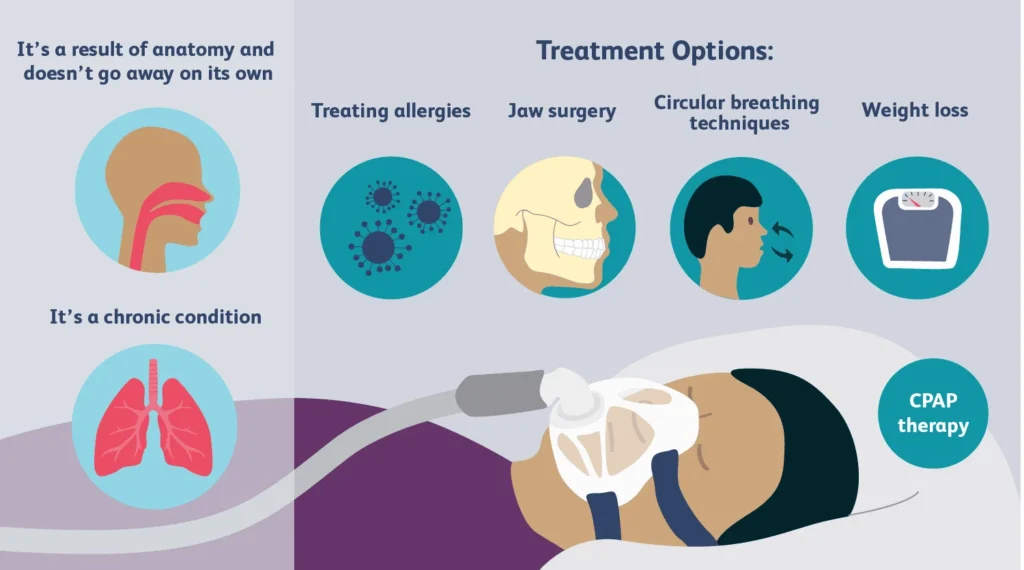
Reality: Snoring is often your sleep quality sending a message—about airflow, fatigue, and sometimes a bigger health issue. It can also become a relationship issue fast. Nobody wants bedtime to feel like a negotiation.
The big picture: why snoring is suddenly everywhere
Sleep has become a full-on culture. There are wearables, apps, smart rings, “sleep hacks,” and travel-friendly gadgets that promise quiet nights in any hotel room. At the same time, people are more burned out, more screen-tired, and more likely to notice when sleep isn’t restoring them.
That’s why snoring keeps popping up in health conversations. It’s loud, it’s common, and it’s tied to how you feel the next day. Some recent discussions also highlight a key point: a real assessment matters, not just a quick guess based on one symptom.
The emotional side: pressure, blame, and the “bedroom referee” problem
Snoring rarely stays “just physical.” It turns into stress when one partner can’t sleep and the other feels judged. Add travel fatigue, a new job schedule, or a stretch of workplace burnout, and patience gets thin.
Try to frame it as a shared problem: “Let’s protect both our sleep.” That keeps the conversation from becoming “you vs. me.” It also makes it easier to test solutions without shame.
Practical steps first: lower the noise floor before you buy more gadgets
Before you spend another night doom-scrolling sleep trends, start with basics that often reduce snoring volume and improve sleep quality.
1) Check your sleep positioning and nightly pattern
Many people snore more on their back. If your snoring is “weekend-loud” or worse after late meals, alcohol, or congestion, that pattern is useful. It tells you the trigger might be changeable.
2) Tighten the routine (without turning bedtime into homework)
Simple timing rules are popular right now for a reason: they reduce last-minute stimulation and help you downshift. Keep it realistic. Pick one or two changes you can repeat, especially during stressful weeks.
3) Don’t get distracted by extreme trends
Some viral tricks sound clever but aren’t a universal fix. If a trend makes breathing feel restricted or panicky, skip it. Your goal is safer airflow and deeper sleep, not a social-media challenge.
Where an anti snoring mouthpiece fits (and why it can work)
An anti snoring mouthpiece is often used to help keep the airway more open during sleep. Many designs do this by gently positioning the lower jaw forward. That can reduce the vibration that creates snoring for certain people.
It tends to make sense when:
- Your snoring is frequent and disruptive, especially in shared sleeping spaces.
- You wake up with a dry mouth or feel like your sleep is shallow.
- Your snoring improves when you sleep on your side or when your jaw is positioned forward.
If you’re comparing options, start here: anti snoring mouthpiece.
Testing it like a grown-up: a simple 7-night trial plan
One night is not a verdict. Comfort, fit, and sleep stages vary. Use a short plan so you don’t quit too early or force something that doesn’t suit you.
Night 1–2: Comfort and fit check
Focus on tolerability. You’re looking for “I can sleep with this,” not perfection. If you feel sharp pain, jaw locking, or significant tooth discomfort, stop and reassess.
Night 3–5: Track outcomes that matter
Use simple signals: partner reports, how often you wake up, morning dryness, and daytime sleepiness. If you use a wearable, treat it as a trend tool, not a diagnosis machine.
Night 6–7: Decide based on sleep quality, not just decibels
Less noise is great, but the real win is better sleep for both people. If the snoring drops but you feel worse, that’s useful information too.
Safety and when to get checked (this part matters)
Snoring can be linked to obstructive sleep apnea for some people. That’s why broader assessment tools and rating approaches are often discussed in sleep health circles—because symptoms can overlap and severity can vary.
Consider talking to a clinician if you notice red flags like choking or gasping at night, witnessed breathing pauses, heavy daytime sleepiness, or morning headaches. For a general overview, see Rating Scales for Obstructive Sleep Apnea Syndrome: The Importance of a Comprehensive Assessment.
Medical disclaimer: This article is for general education and does not diagnose, treat, or replace medical care. If you suspect sleep apnea or have persistent symptoms, seek evaluation from a qualified clinician.
FAQ: quick answers people ask at 2 a.m.
Do anti-snoring mouthpieces stop snoring right away?
Many people notice improvement quickly, but it can take time to adapt. Fit and nightly use are key.
What’s the difference between snoring and sleep apnea?
Snoring is a noise from restricted airflow. Sleep apnea involves repeated breathing disruptions and needs proper evaluation.
Can weight changes affect snoring?
Yes. Weight can influence airway size and snoring for some people, though it’s not the only driver.
Is mouth taping a good idea for snoring?
It’s widely talked about, but it’s not appropriate for everyone. If nasal breathing isn’t reliable or sleep apnea is possible, avoid risky experiments.
When should I talk to a doctor about snoring?
If you have loud nightly snoring plus gasping/choking, witnessed pauses, high sleepiness, or blood pressure concerns, get checked.
Next step: get your nights (and your relationship) back
If snoring is turning bedtime into a debate, you don’t need more arguments. You need a clear, testable plan. Mouthpieces are one of the most practical tools to try—especially when your goal is quieter sleep and better recovery.