
On the third night of a work trip, “Sam” tried everything. A new sleep tracker. A white-noise app. A fancy travel pillow from a viral video. None of it stopped the snoring that had the hotel neighbor knocking once, then twice.
Back home, the jokes started. “You could power a leaf blower,” Sam’s partner teased. Funny—until the next morning, when both of them felt wrecked and short-tempered.
That’s the moment a lot of people are in right now: buying sleep gadgets, chasing quick fixes, and realizing snoring is less of a punchline when sleep quality tanks. Let’s sort what matters, where an anti snoring mouthpiece fits, and when snoring may be a bigger health signal than you think.
Big picture: why snoring is suddenly in everyone’s feed
Sleep has become a full-on “health trend.” People track sleep stages, stack supplements, and swap bedtime routines like workout plans. At the same time, burnout, screen time, and travel fatigue make shallow sleep feel normal.
Snoring cuts through all that because it’s loud, disruptive, and hard to ignore. And recent mainstream health coverage keeps pointing to the same theme: snoring can be a nuisance, but it can also be tied to obstructed breathing during sleep for some people.
Snoring vs. sleep apnea: the misconception trap
One common misunderstanding is that snoring automatically equals obstructive sleep apnea. It doesn’t. Another misconception is the opposite: that snoring is harmless if you “sleep through it.” Your body may still pay a price through fragmented sleep.
If you want a quick refresher on red flags, review What Misconceptions About Obstructive Sleep Apnea Would You Like to Bust? and compare them with what you’re experiencing.
The emotional part: snoring isn’t just “noise”
Snoring often shows up as relationship humor. Two toothbrushes. Two phone chargers. Two separate bedrooms “as a joke.” Then it quietly becomes resentment, especially when one person is always the one who loses sleep.
It can also hit identity. People feel embarrassed, avoid travel, or dread falling asleep first. If you’re in that spot, you’re not failing at wellness. You’re dealing with a mechanical problem that deserves a practical plan.
Burnout makes snoring feel worse
When you’re overworked, even small sleep disruptions hit harder. You wake up foggy, rely on caffeine, and then sleep lighter the next night. Snoring becomes the scapegoat, but the real issue is a cycle: stress plus broken sleep.
Practical steps: a budget-first plan that doesn’t waste a month
If you’re trying to improve sleep at home, start with the simplest checks. Aim for changes you can test in a week, not a season.
Step 1: do a quick “pattern check”
- When is snoring worst? After alcohol? During allergy season? On your back?
- How do you feel in the morning? Refreshed vs. headache, dry mouth, or brain fog.
- Any witnessed pauses? A partner noticing choking, gasping, or stop-start breathing matters.
Step 2: try the low-cost environment wins
- Side-sleeping support: A body pillow or positional tweak can reduce back-sleeping for many people.
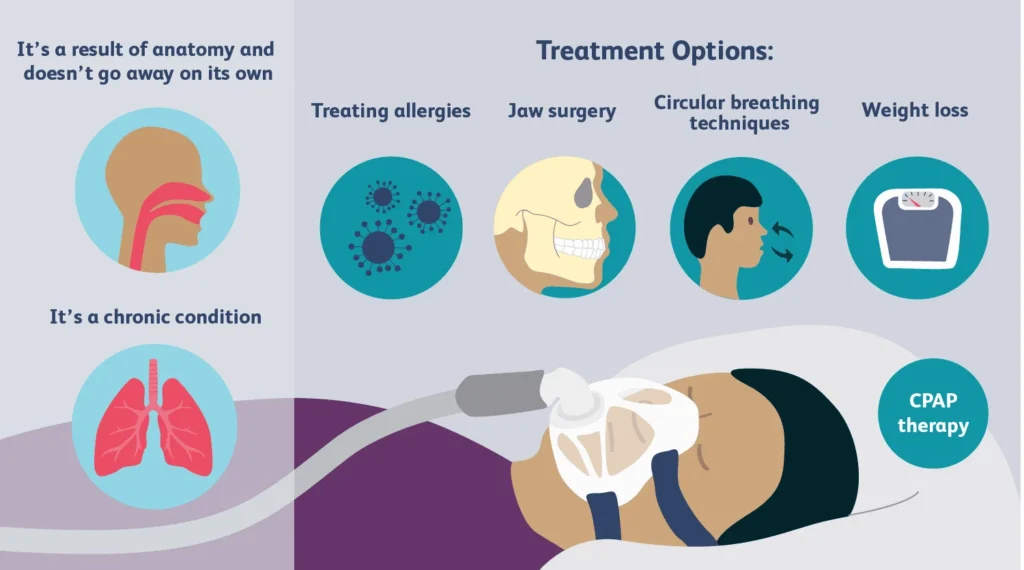
- Nasal comfort: Address congestion (humidity, saline rinse, allergy management) so you’re not forced to mouth-breathe all night.
- Timing: If alcohol triggers louder snoring, move it earlier or skip it near bedtime for a week and compare.
Step 3: where an anti snoring mouthpiece fits
If your snoring seems related to jaw position and airway narrowing during sleep, a mouthpiece may be a practical next step. Many people like it because it’s a single purchase and easy to test at home.
When you’re researching, look for a product category that matches your goal: reducing snoring by keeping the airway more open through gentle jaw positioning. If you want to compare options, see anti snoring mouthpiece and focus on comfort, adjustability, and return policies so you’re not stuck with something you won’t use.
Safety and “does this pass the sniff test?”
Snoring solutions are a magnet for hype. A good rule: if a claim sounds instant and universal, it’s probably marketing.
Signs a mouthpiece is worth testing
- It’s designed for nighttime wear and comfort.
- It’s adjustable or comes with sizing guidance.
- It sets realistic expectations (improvement, not perfection).
When to pause and get medical input
Stop self-experimenting and talk to a clinician if you have loud snoring plus choking/gasping, witnessed breathing pauses, significant daytime sleepiness, or cardiovascular risk factors like high blood pressure. Snoring can overlap with obstructive sleep apnea, and that’s not something to guess your way through.
Medical disclaimer: This article is for general education and does not provide medical advice, diagnosis, or treatment. If you suspect sleep apnea or have concerning symptoms, seek evaluation from a qualified healthcare professional.
FAQ
Is snoring always a sign of sleep apnea?
No. Some people snore without sleep apnea. Still, loud frequent snoring plus choking/gasping or strong daytime sleepiness should be evaluated.
Can an anti snoring mouthpiece help with sleep apnea?
Some devices are designed to support the airway by moving the jaw forward, which may help certain people. The right approach depends on your situation, so persistent symptoms warrant professional guidance.
How quickly do mouthpieces work for snoring?
Some people notice changes quickly, but others need an adjustment period. Comfort and consistent use usually decide whether it’s a win.
What are common side effects?
Jaw soreness, tooth discomfort, drooling, or dry mouth can occur, especially early on. Ongoing pain or bite changes should be taken seriously.
What else helps sleep quality?
Side-sleeping, reducing alcohol close to bedtime, treating nasal congestion, and keeping a consistent schedule often improve sleep even before you add a device.
CTA: make the next step simple
If snoring is dragging down your sleep and you want a practical option to test at home, start with a mouthpiece that prioritizes comfort and fit. Then track results for a week: snoring volume, morning energy, and partner sleep.