
On a red-eye flight, someone in 14B starts snoring like a small lawnmower. The cabin laughs, then groans. By the time the plane lands, half the row is awake, cranky, and texting jokes about “sleep divorce.”
That’s the vibe right now: sleep gadgets everywhere, burnout in the background, and couples trying to protect sleep quality without starting a feud. If you’re looking at an anti snoring mouthpiece, here’s a grounded way to think about what it can do, what it can’t, and how to make it more comfortable.
Why is everyone suddenly talking about snoring and sleep quality?
Snoring used to be a punchline. Now it’s a productivity problem. People connect poor sleep with mood, focus, gym recovery, and workplace burnout, so they’re testing anything that looks simple: nasal strips, nasal dilators, mouthpieces, apps, smart rings, and “sleep stacks.”
Recent chatter also reflects a familiar pattern: people with long-term congestion say breathing aids can feel like a breakthrough. At the same time, mouthpiece reviews keep popping up because jaw-position devices are one of the most common at-home tools people try.
Is snoring always a problem, or just annoying?
Sometimes it’s only noise. Other times, it’s a clue that airflow is restricted during sleep. That restriction can come from the nose, the soft palate, the tongue, or jaw position.
Snoring also tends to spike with travel fatigue, alcohol, back-sleeping, and weight changes. That’s why it can feel “random” even when the cause is consistent.
What’s the simplest way to figure out what’s driving my snoring?
Use a quick, practical sort:
- Nose-driven: you feel blocked, you mouth-breathe, you wake with a dry mouth, or snoring is worse during allergy seasons.
- Mouth/jaw-driven: snoring is worse on your back, your jaw drops open, or your partner notices it improves when you sleep on your side.
- Mixed: many people have both. That’s why “one weird trick” rarely works.
General research discussions around nasal dilators suggest they may help some people with sleep-disordered breathing symptoms, but results vary by person and by the type of obstruction. If your nose is the bottleneck, opening it can matter. If your throat tissues are the bottleneck, jaw positioning may matter more.
How does an anti snoring mouthpiece actually work?
Most anti-snoring mouthpieces fall into two buckets:
- Mandibular advancement devices (MAD-style): they gently bring the lower jaw forward to reduce airway collapse and vibration.
- Mouth-closure support (often paired with a chinstrap): they aim to reduce open-mouth breathing that can worsen snoring for some sleepers.
Think of it like positioning, not “forcing.” The goal is a stable, comfortable setup that keeps airflow smoother.
Where ICI basics fit (comfort, positioning, cleanup)
- ICI = Incremental, Comfortable, Intentional. Small changes beat aggressive settings.
- Incremental: if your device adjusts, move in tiny steps over several nights.
- Comfortable: soreness is a signal to back off. A better fit usually beats a tighter fit.
- Intentional: pair it with side-sleeping and nasal support if congestion is part of your pattern.
What about nasal strips and “breathing hacks” people keep recommending?
Nasal strips are popular because they’re low effort and easy to test. People who feel chronically stuffy often report noticeable breathing relief, especially at night. That lines up with why these products keep trending in lifestyle coverage.
If you want a quick read on what’s being discussed in the mainstream right now, see Reviewers Who’ve Struggled With ‘Decades’ Of Congestion Say These Nasal Strips Drastically Improve Breathing.
Still, nasal help and mouthpiece help are different tools. If you can’t breathe through your nose at all, a mouthpiece may not feel great. If your jaw position is the main issue, nasal strips may not touch the snoring.
How do I choose a mouthpiece that I’ll actually wear?
Most failures aren’t about “does it work.” They’re about comfort and consistency. Use this short filter:
- Fit: look for a design that feels stable without clenching.
- Adjustability: gradual jaw advancement can be easier to tolerate than a fixed, aggressive position.
- Breathing style: if you mouth-breathe, consider pairing with mouth-closure support (like a chinstrap) rather than relying on willpower.
- Cleanup: if cleaning is annoying, you’ll skip nights. Choose something you can rinse and brush quickly.
What’s a realistic comfort plan for week one?
Make it boring and repeatable:
- Night 1–2: wear it for short periods before sleep to reduce the “foreign object” feeling.
- Night 3–5: aim for a full night, but don’t chase maximum adjustment.
- Night 6–7: evaluate: less snoring? less dry mouth? fewer wake-ups? If pain is building, pause and reassess fit.
Also: don’t ignore your nose. If congestion is common for you, basic nasal hygiene and allergy management (guided by a clinician when needed) can make any mouthpiece easier to tolerate.
What are the red flags that mean “don’t DIY this”?
Snoring plus any of the following deserves medical evaluation:
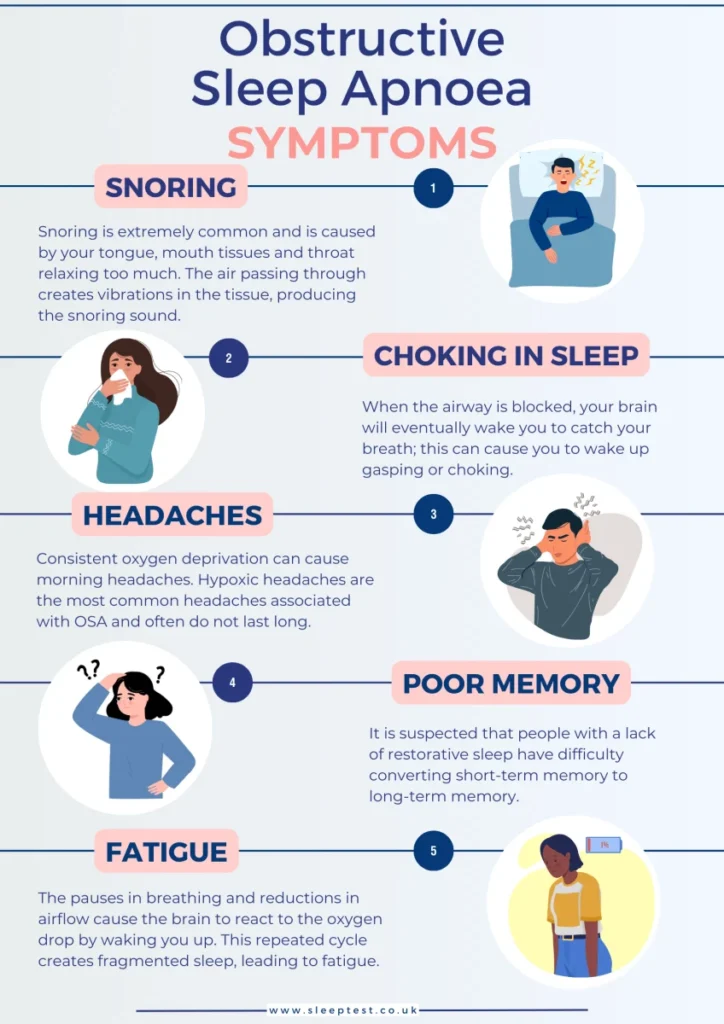
- Gasping, choking, or witnessed breathing pauses
- Severe daytime sleepiness or drowsy driving risk
- Morning headaches, high blood pressure, or heart concerns
- Persistent nasal obstruction, frequent sinus issues, or post-surgery questions
Some people also deal with chronic rhinosinusitis or structural nasal issues. In those cases, treating the underlying nasal problem can change sleep quality in a way gadgets can’t fully replicate.
CTA: Want a mouthpiece option that also supports mouth closure?
If your snoring seems tied to jaw position or open-mouth breathing, consider a combo approach. You can review an anti snoring mouthpiece and see if that setup matches your sleep style.
How do anti-snoring mouthpieces work?
Medical disclaimer: This article is for general education and does not provide medical advice, diagnosis, or treatment. If you suspect sleep apnea or have significant symptoms (gasping, pauses in breathing, severe sleepiness, chest pain, or uncontrolled blood pressure), seek evaluation from a qualified clinician.