
Five quick takeaways before you buy anything:
- Snoring is a symptom, not a personality trait—treat the cause, not just the noise.
- Sleep quality is trending for a reason: burnout, travel fatigue, and constant screens make “good enough” sleep feel impossible.
- Not all “sleep hacks” are equal; some are harmless, some are hype, and some need medical caution.
- An anti snoring mouthpiece can be a practical tool when snoring is positional or airway-related and not a clear red-flag situation.
- If sleep apnea is possible, getting evaluated matters because treatment can protect long-term health.
Why snoring is in the spotlight right now
Snoring used to be a punchline. Now it’s showing up in conversations about sleep trackers, “smart” rings, white-noise machines, and even couple-friendly bedroom negotiations. People are also traveling more, which means more jet lag, more hotel nights, and more feedback from whoever is stuck sharing the room.
At the same time, major health outlets keep emphasizing that sleep apnea isn’t just about noise. It’s tied to real health risks. That’s why you’re seeing renewed attention on sleep-disordered breathing and brain health in the news cycle.
A no-drama decision guide: If…then…
Use these branches to decide what to do next. Keep it simple. You’re aiming for safer sleep and fewer interruptions, not a perfect “biohacked” night.
If it’s occasional snoring (and you feel fine in the day)…then start with basics
If snoring shows up after a late meal, alcohol, congestion, or a brutal week at work, try low-effort changes first. Shift sleep position, protect nasal breathing, and tighten up your wind-down routine. Many people notice quick wins here.
If your snoring is mostly “situational,” you may not need a device at all.
If snoring is frequent and your partner is losing sleep…then consider an anti snoring mouthpiece
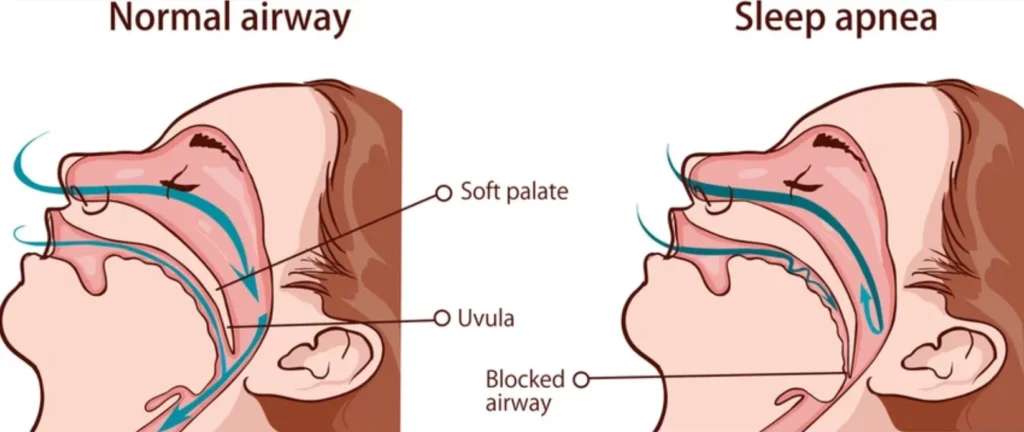
If the main issue is steady, disruptive snoring (especially on your back), an anti snoring mouthpiece can be a reasonable next step. The goal is to support a more open airway during sleep. That can reduce vibration and noise, which often improves sleep quality for both people in the bed.
This is also where relationship humor stops being funny. When one person’s snoring turns into the other person’s insomnia, everybody’s mood, focus, and patience can take a hit.
If you want a combined approach, look at an anti snoring mouthpiece. It’s a straightforward option people often search for when mouth breathing or jaw position seems to play a role.
If you’re tempted by trending “sleep hacks”…then pause and sanity-check
Sleep gadgets are having a moment. So are viral ideas like taping your mouth at night. Some people report benefits, but it’s not a universal fix. If your nose is blocked, forcing your mouth closed can be uncomfortable at best.
If you suspect breathing problems during sleep, don’t rely on a trend to solve a medical issue. Treat internet advice like entertainment, not a diagnosis.
If there are red flags for sleep apnea…then get evaluated first
If snoring comes with choking, gasping, witnessed breathing pauses, or heavy daytime sleepiness, treat that as a “don’t guess” moment. Sleep apnea is common, and it can affect more than how rested you feel. Recent coverage has also highlighted the broader health implications and the interest in treatment as part of long-term brain health conversations.
For a high-level read on this topic, see this link on Preventing Alzheimer’s disease and dementia by treating obstructive sleep apnea.
If travel fatigue is making everything worse…then plan for “minimum effective sleep”
On the road, your routine collapses fast. Dry hotel air, different pillows, and stress can amplify snoring. Aim for a few reliable anchors: consistent bedtime window, lighter evening meals, and a setup that supports side sleeping.
In travel weeks, even a modest reduction in snoring can translate into better recovery. That’s the real win.
What “better sleep quality” actually looks like (quick checklist)
- You wake up with less grogginess and fewer headaches.
- Your partner reports fewer wake-ups from sound or nudging.
- You’re not fighting sleepiness during meetings or commutes.
- Your sleep tracker (if you use one) shows fewer obvious disruptions.
Workplace burnout and snoring often team up. When sleep is fragmented, patience drops and cravings climb. Focus on fewer awakenings, not perfection.
FAQ (fast answers)
Can an anti snoring mouthpiece improve sleep quality?
It can, especially if snoring is driven by airway narrowing or sleep position. Fit and consistency matter.
How do I know if my snoring could be sleep apnea?
Watch for gasping, pauses in breathing, and strong daytime sleepiness. If those show up, get tested.
Are viral sleep hacks like mouth taping a good idea?
It depends, and it’s not risk-free. Avoid it if you have nasal blockage or suspect sleep apnea without medical guidance.
What’s the difference between a mouthpiece and a CPAP?
CPAP is a prescribed standard therapy for sleep apnea. Mouthpieces are a common option for snoring and some cases of mild sleep-disordered breathing when appropriate.
How long does it take to adjust to a mouthpiece?
Often several nights to a few weeks. Mild jaw soreness can happen early on, and comfort usually improves with routine.
CTA: Pick the next step that matches your symptoms
If your main issue is disruptive snoring without major red flags, an oral device may be a practical next move. If the signs point to sleep apnea, prioritize an evaluation and treat the root problem.
How do anti-snoring mouthpieces work?
Medical disclaimer: This article is for general education and does not provide medical advice or a diagnosis. If you suspect sleep apnea or have severe daytime sleepiness, breathing pauses, or chest pain, seek care from a qualified clinician.