
On a red-eye flight, someone in 14B starts snoring. At first it’s a joke. By hour two, it’s not funny anymore.
A week later, that same snore is back at home—only now it’s your partner nudging you at 2 a.m. You try a sleep app, then a wearable, then a “smart” ring. The data looks impressive. Your energy still doesn’t.
Big picture: why snoring is suddenly in everyone’s feed
Sleep has become a status symbol and a coping tool. People are tracking everything—breath patterns, movement, and snore intensity—because burnout and travel fatigue make bad sleep feel louder than ever.
DIY sleep monitoring is also trending in maker and gadget circles. If you’ve seen projects and products that track breathing changes and snoring, you’ve seen the cultural shift: measure first, fix second.
If you want a general overview of what consumer sleep monitoring tries to capture, this search-style reference is a helpful starting point: Sleep monitoring: breath, apneas, movements and snoring.
Still, numbers don’t solve snoring by themselves. You need a practical plan that protects sleep quality and reduces risk.
The emotional cost: relationships, confidence, and the “spare room” joke
Snoring is easy to laugh about in memes. In real life, it can chip away at patience fast. The snorer feels blamed. The listener feels trapped in light sleep.
That stress matters. Poor sleep can amplify irritability and make workplace burnout feel worse. It can also turn travel recovery into a multi-day slog.
So yes, this is about airway mechanics. It’s also about keeping your household functional.
Practical steps: a direct plan before you buy another gadget
1) Identify your likely snoring pattern
You don’t need perfect data. You need a useful clue. Ask: is it worse on your back, after alcohol, during congestion, or when you’re overtired?
A simple phone recording (or a basic tracker) can help you compare nights. Keep it consistent for a few days, then change one variable at a time.
2) Reduce obvious triggers first
Try the boring fixes because they’re low-risk: side-sleeping support, consistent bed/wake times, and managing nasal stuffiness. If you work nights or rotating shifts, your schedule can raise the odds of fragmented sleep, which makes snoring feel more disruptive.
If a skin condition or discomfort keeps waking you up, that broken sleep can also make snoring seem worse. The goal is fewer awakenings on both sides of the bed.
3) Consider an anti snoring mouthpiece when the issue looks mechanical
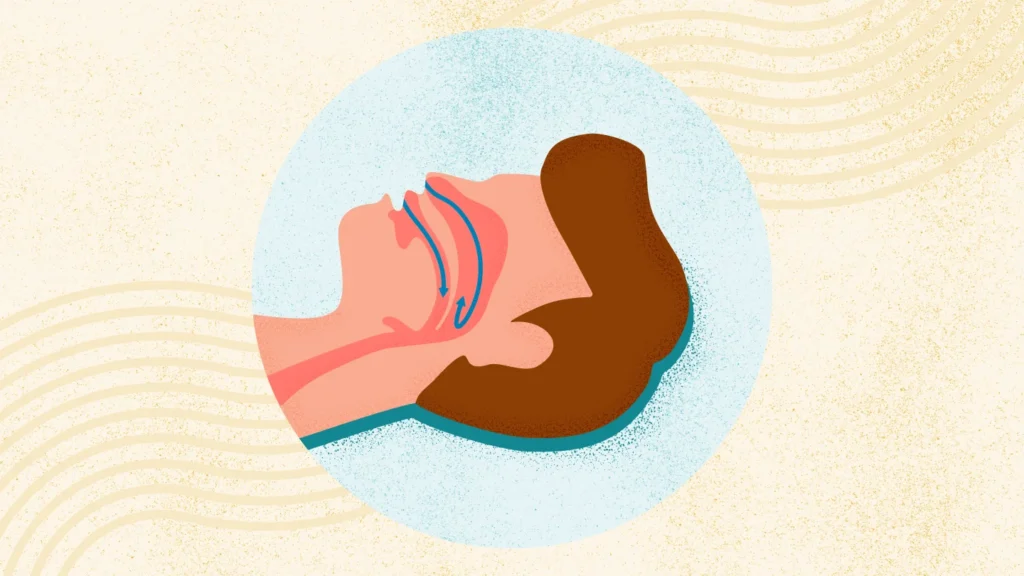
An anti snoring mouthpiece is popular because it’s a physical intervention, not another chart. Many designs aim to support the jaw and tongue position to keep airflow more open during sleep.
Start by comparing reputable options and clear return policies. Here’s a research shortcut if you want to see product-category choices: anti snoring mouthpiece.
Keep expectations realistic. A mouthpiece can reduce snoring for some people. It’s not a cure-all for every cause of noisy breathing.
Safety and screening: how to lower risk and document smart choices
Don’t ignore sleep apnea red flags
Snoring can be harmless, but it can also be a sign of obstructed breathing. Screen yourself before you self-treat for months.
Get medical evaluation if you notice gasping or choking during sleep, witnessed breathing pauses, significant daytime sleepiness, morning headaches, or high blood pressure concerns. If you’re unsure, err on the safer side and ask a clinician.
Hygiene and infection-risk basics (simple, but often skipped)
Mouthpieces sit in a warm, moist environment. That means you need a routine.
- Don’t share a mouthpiece. Treat it like a toothbrush.
- Clean it as directed and let it dry fully.
- Replace it if it cracks, smells, or changes shape.
Fit, jaw comfort, and “proof” you tested responsibly
To reduce legal and health risk, document what you tried. This is especially useful if you later talk to a dentist or sleep specialist.
- Write down the model, start date, and any adjustments.
- Track comfort (jaw soreness, tooth pressure, dry mouth) each morning for two weeks.
- Track outcomes: snore intensity (partner rating) and how rested you feel.
If you develop jaw pain, tooth pain, or bite changes, stop and reassess. Comfort problems are not something to “push through.”
FAQ: quick answers people ask before trying a mouthpiece
Will a mouthpiece help if I’m exhausted from travel?
It might reduce snoring, but travel fatigue also disrupts sleep timing and depth. Pair any device with a consistent wind-down routine.
Can I rely on my sleep tracker to decide?
Use it for patterns, not certainty. If symptoms suggest sleep apnea, get evaluated rather than optimizing a gadget setup.
Is snoring always a health problem?
Not always. It can be a nuisance only. The key is screening for warning signs and noticing daytime impact.
Next step: choose one action for tonight
If snoring is hurting sleep quality, pick a plan you can actually follow: reduce triggers, screen for red flags, then test one intervention at a time.
How do anti-snoring mouthpieces work?
Medical disclaimer: This article is for general education only and is not medical advice. It does not diagnose, treat, or replace care from a qualified clinician. If you suspect sleep apnea or have concerning symptoms, seek professional evaluation.