
Snoring is having a moment. Not the fun kind.
Between sleep gadgets, viral hacks, and “I slept on a hotel pillow and now I’m broken” travel fatigue, people are chasing quiet nights everywhere.
Here’s the practical takeaway: better sleep quality usually comes from fixing airflow and jaw position safely—not stacking more hacks.
What people are trying right now (and why)
Sleep has turned into a hobby. Wearables score your night. Apps promise a faster wind-down. Couples joke about “separate bedrooms” like it’s a relationship upgrade.
At the same time, work-from-anywhere turned into work-from-always. Burnout shows up at bedtime as racing thoughts, late emails, and shallow sleep.
Trend #1: Viral snore fixes (including mouth taping)
Mouth taping keeps popping up in the feed. The idea is simple: encourage nasal breathing at night.
But “simple” doesn’t mean “safe for everyone.” If your nose is blocked, taping can backfire. If you might have sleep apnea, it can be the wrong direction entirely.
If you want a deeper overview of the safety discussion, see How Breathing and Sleep Impact Oral Health, According to Dr. Sung Ju, DMD of Creative Smiles Dentistry.
Trend #2: Mouthpieces getting more mainstream
Anti-snoring mouthpieces (often mandibular advancement devices) are showing up in reviews and “best of” roundups. That’s not surprising.
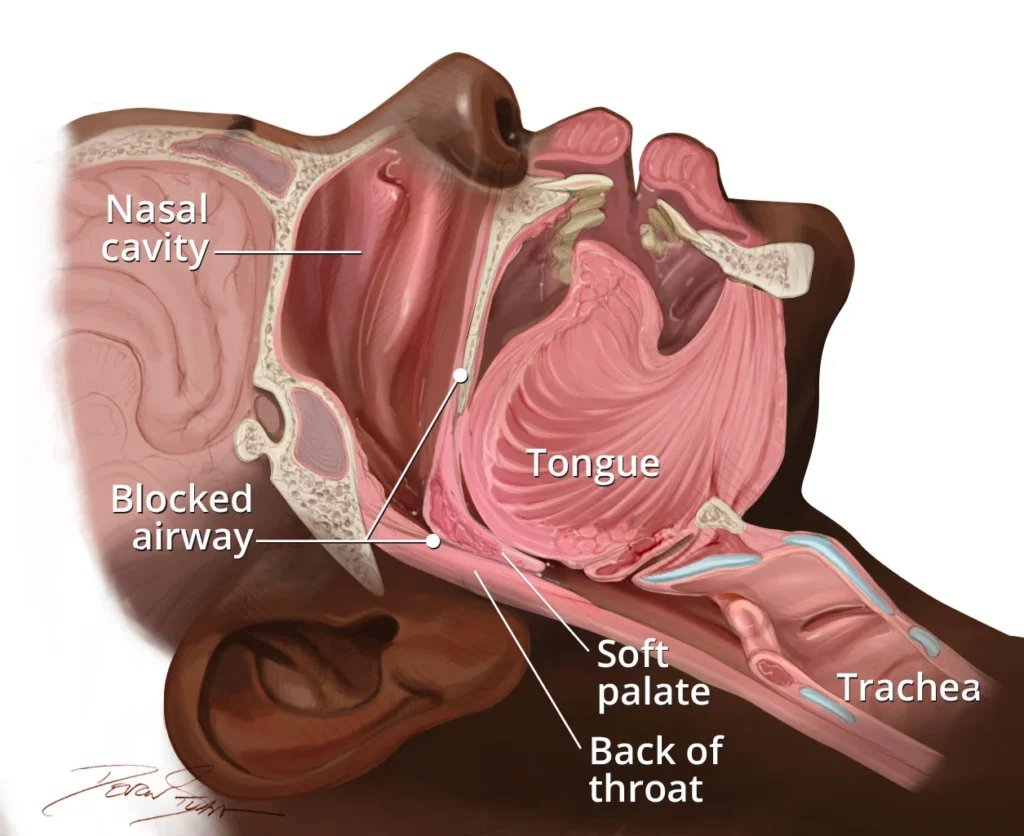
They target a common snoring pattern: the jaw falls back, the airway narrows, tissues vibrate, and everyone in the room loses.
Trend #3: “Sleep hygiene” as a productivity flex
One of the most repeated suggestions lately is cutting off work before bed. People are realizing that late-night task switching keeps the nervous system on high alert.
Even if snoring is the headline problem, sleep timing and stress load still affect how deeply you sleep and how easily you wake up.
What matters for health (beyond the noise)
Snoring isn’t always dangerous, but it can be a signal. It may point to airflow resistance, mouth breathing, or sleep-disordered breathing.
There’s also an oral-health angle getting more attention: breathing patterns and sleep can influence dry mouth. Dry mouth can make mornings feel rough and can affect teeth and gums over time.
Snoring vs. sleep apnea: don’t guess
Snoring can happen without apnea. Sleep apnea involves repeated breathing interruptions and drops in oxygen.
If you’re not sure which bucket you’re in, treat that uncertainty as important information. A proper evaluation is faster than months of trial-and-error.
What you can try at home (low drama, high signal)
This is the order that tends to make sense: reduce friction, then add targeted tools.
Step 1: Make nasal breathing easier
Try a simple check at bedtime: can you breathe comfortably through your nose with your mouth closed?
If the answer is no, focus on the nose first. Congestion, allergies, and dry air can push you into mouth breathing and louder snoring.
Step 2: Protect your wind-down window
If your brain is still in “work mode,” your sleep gets lighter. Light sleep tends to amplify awakenings, partner nudges, and the feeling that you never fully recovered.
Create a short shutdown routine. Put the last work task to bed before you do. A consistent cutoff helps more than people expect.
Step 3: Consider an anti snoring mouthpiece
An anti snoring mouthpiece is designed to keep the lower jaw slightly forward. That can help keep the airway more open for certain snorers.
Look for fit, comfort, and adjustability. If you clench, have jaw pain, or wear dental work, be extra cautious and consider professional guidance.
If you’re comparing options, you can review a anti snoring mouthpiece to see how a paired approach is set up.
Step 4: Keep a 7-night scorecard
Don’t rely on one night. Track a week of basics: bedtime, alcohol, congestion, mouthpiece use, and a simple “partner rating” of snoring volume.
That pattern will tell you more than any single gadget graph.
When to stop DIY and get help
Get checked if you notice choking/gasping, witnessed pauses in breathing, or significant daytime sleepiness. Morning headaches and high blood pressure also raise the stakes.
Seek dental input if you develop jaw pain, tooth soreness, or bite changes with any mouthpiece. Comfort matters, and so does long-term alignment.
Medical disclaimer: This article is for general education and isn’t medical advice. Snoring can have many causes, and sleep apnea requires medical evaluation. If you have severe symptoms, breathing pauses, or ongoing sleep disruption, talk with a qualified clinician.
FAQ
Do anti-snoring mouthpieces work for everyone?
No. They’re most helpful when jaw position and airway narrowing drive the snore. Other causes may need different solutions.
Is mouth taping a safe way to stop snoring?
Not for everyone. If nasal breathing isn’t easy or sleep apnea is possible, skip it and ask a clinician.
Can snoring affect oral health?
It can contribute to dry mouth, which may affect comfort and dental health. Persistent dry mouth is worth discussing with a dentist.
How long does it take to get used to an anti-snoring mouthpiece?
Often several nights to a couple of weeks. Gradual adaptation and correct fitting help.
When is snoring a sign of sleep apnea?
If snoring comes with gasping, pauses, or heavy daytime sleepiness, get evaluated.
Next step
If you want a clearer, quieter plan that doesn’t rely on viral tricks, start with the basics and add the right tool.