
On a red-eye flight, someone in 18B starts snoring five minutes after takeoff. The cabin goes quiet, then tense. A few rows back, a tired couple trades the kind of look that says, “We are not doing this at home again.”
That scene is basically the internet right now: travel fatigue, burnout, and a new wave of sleep gadgets promising “answers” by morning. Add relationship humor and workplace brain fog, and it makes sense that snoring and sleep quality are suddenly dinner-table topics.
The big picture: why snoring is trending again
Snoring isn’t new. What’s new is how often people are tracking it. Sleep apps, wearables, and DIY sensors now flag snoring, movement, and breathing changes. You’ll see more conversations about monitoring breath patterns and possible apneas, especially in maker and gadget communities.
That can be useful. It can also push people into an endless “optimize everything” loop. Treat tracking as a flashlight, not a verdict.
If you want to see the kind of coverage fueling this trend, here’s a relevant read: Sleep monitoring: breath, apneas, movements and snoring.
The emotional side: it’s not just “noise”
Snoring messes with more than rest. It can create resentment, separate bedrooms, and that awkward ritual of “roll over” nudges. When you’re already stressed from work, parenting, or travel, broken sleep hits harder.
Many people also worry about what snoring might mean. That anxiety can keep you up even when the snoring stops. A calmer approach helps: notice patterns, reduce obvious triggers, and escalate when red flags show up.
Practical next steps that don’t require a gadget spiral
1) Do a quick trigger check (two minutes, not a thesis)
Snoring often gets worse with common factors: sleeping on your back, alcohol close to bedtime, nasal congestion, and inconsistent sleep schedules. If your snoring spikes after late dinners, travel days, or a week of short sleep, that’s a clue.
2) Inspect the “sleep environment” you’re actually using
People love to blame their throat, but the setup matters. Pillows that push your head forward, dry air, and allergens in the bedroom can all contribute. Some headlines have even pointed to the bed itself as a hiding place for snoring triggers, which fits what many people notice: symptoms worsen in one room and improve in another.
3) Consider where an anti snoring mouthpiece fits
An anti snoring mouthpiece is typically designed to support jaw and tongue positioning so the airway is less likely to narrow during sleep. It’s not a “sleep health cure-all.” Still, for the right person, it can be a simple, non-electronic step that targets the mechanics behind snoring.
If you’re comparing options, this is a common search path people take: anti snoring mouthpiece.
4) Pair it with one supportive habit
Mouthpieces tend to work best when you remove one major obstacle. Pick just one: side-sleeping support, a consistent bedtime window, or a plan for nasal stuffiness. Stacking ten changes at once makes it impossible to know what helped.
Safety and testing: when to self-try vs. when to get checked
Signs you should talk to a clinician
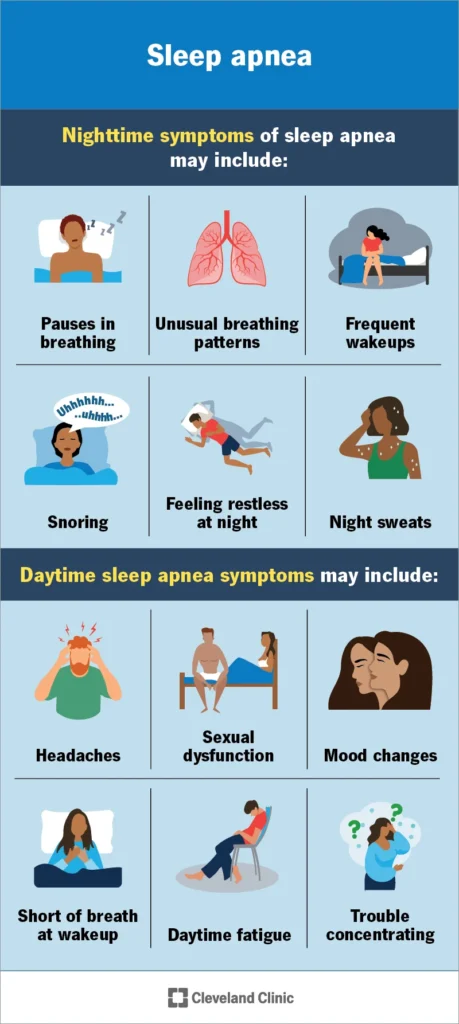
- Pauses in breathing, choking/gasping, or witnessed “stops” during sleep
- Morning headaches, significant daytime sleepiness, or concentration problems
- High blood pressure or other health risks where sleep apnea is a concern
- Snoring that’s getting rapidly worse without an obvious reason
There’s also growing interest in new anti-snoring devices being tested in clinical settings. That’s good news, but it doesn’t mean every product is validated. Use trials and clinician guidance as your north star when symptoms suggest obstructive sleep apnea.
How to trial a mouthpiece responsibly
- Start gently: give your jaw time to adapt.
- Track outcomes simply: “Did we both sleep better?” beats perfect graphs.
- Stop if pain persists: ongoing jaw pain, tooth pain, or bite changes deserve dental input.
Medical disclaimer: This article is for general education and does not diagnose, treat, or replace medical advice. If you suspect sleep apnea or have significant symptoms, seek evaluation from a qualified clinician.
FAQ: quick answers people want right now
Is snoring bad for sleep quality even if I don’t wake up?
It can be. Snoring may reflect airflow restriction and fragmented sleep, and it can also disrupt a partner’s sleep even when the snorer feels “fine.”
Do sleep trackers accurately detect apnea?
They can hint at patterns, but they aren’t a diagnosis. If your data suggests repeated breathing disruptions, confirm it with a clinician-grade evaluation.
What if my snoring is mostly when I’m on my back?
That’s a common pattern. Positional changes plus a mouthpiece (for the right person) can be a practical combo.
CTA: make the next step simple
If you’re ready to understand the basics before you buy anything else, start here: