
Snoring isn’t just “a funny noise.” It can wreck sleep quality fast.
And lately, the internet has been louder than the snorer—pushing quick fixes, sleep gadgets, and viral bedtime “hacks.”
If you want better sleep, focus on what’s actually blocking airflow and choose a solution that matches your snoring pattern.
What people are trying right now (and why)
Sleep has become a mini-obsession. You see it in wearable scores, travel recovery routines, and the “optimize everything” vibe that shows up when burnout hits.
Snoring is part of that conversation because it affects two people at once. Couples joke about it, but the tension is real when one person is awake at 2 a.m. listening to a chainsaw soundtrack.
Viral mouth-taping: the trend getting side-eye
One headline making the rounds: experts warning people to be cautious about the mouth-taping trend. The concern is simple. If you can’t breathe well through your nose, sealing your lips can backfire.
If you’re curious, read this coverage and treat it like a warning label, not a how-to: Scientists warn against viral nighttime mouth-taping trend.
Nasal aids and “open the pipes” thinking
Nasal strips and nasal dilators keep trending because they’re low-effort. Some research reviews have looked at whether these devices improve sleep-disordered breathing, with mixed results depending on the person and the outcome measured.
They can be worth a try if your snoring spikes with congestion. Still, they don’t address every type of snore.
What matters medically (without getting complicated)
Snoring happens when airflow gets turbulent and soft tissues vibrate. The “why” differs from person to person, and that’s why random hacks fail.
Common contributors include nasal blockage, sleep position, alcohol close to bedtime, and anatomy (like how the jaw and tongue sit when muscles relax).
The big red flag: possible sleep apnea
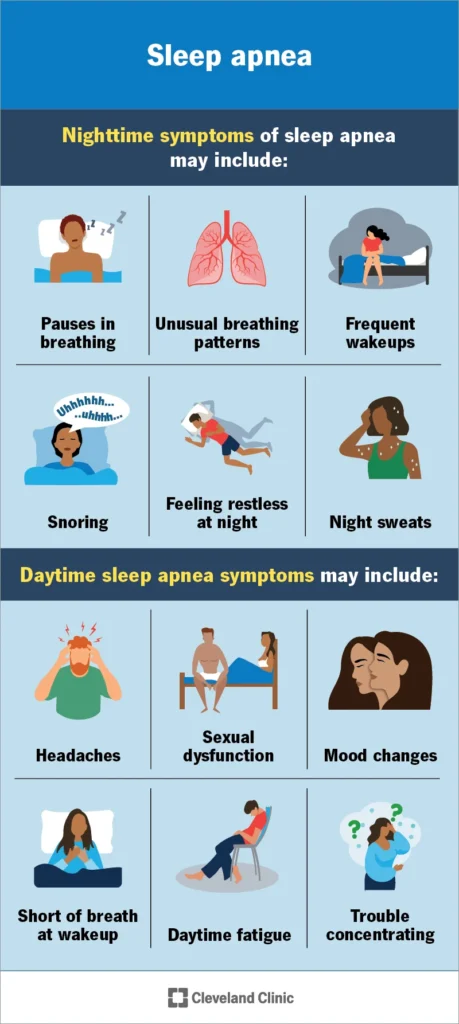
Snoring can be harmless. It can also show up with obstructive sleep apnea, a condition tied to repeated breathing interruptions during sleep.
If you notice gasping, choking, witnessed pauses, morning headaches, or major daytime sleepiness, don’t self-experiment forever. Get evaluated.
How to try this at home (a practical, low-drama plan)
Think of this as a two-track approach: reduce triggers and pick a tool that matches the mechanism.
Step 1: Do a quick “pattern check” for one week
Keep it simple. Note what changes your snoring: back sleeping, late drinks, travel fatigue, allergies, or a cold.
Also track how you feel in the morning. A quieter night that still leaves you exhausted is important information.
Step 2: Start with basics that support sleep quality
- Side-sleeping when possible (a pillow behind your back can help).
- Limit alcohol close to bedtime, especially on work stress nights.
- Protect nasal breathing: manage dryness and congestion in a safe way.
- Keep the bedroom cool, dark, and consistent—simple, not fancy.
Step 3: Consider an anti snoring mouthpiece if jaw position seems involved
An anti snoring mouthpiece typically aims to hold the lower jaw slightly forward. That can reduce airway collapse for some snorers by giving the tongue and soft tissues less room to fall back.
This approach is especially relevant when snoring is worse on your back, after a sedating night, or when your partner says the sound seems to come from the throat rather than the nose.
If you want to compare options, start here: anti snoring mouthpiece.
Step 4: Give it a fair trial, then reassess
Comfort matters. So does fit. If you try a mouthpiece, expect an adjustment period and watch for jaw soreness or bite changes.
If it reduces snoring but your sleep still feels unrefreshing, don’t assume you’re “fine.” Snoring volume and sleep quality don’t always move together.
When to stop DIY and get help
Get medical guidance if snoring comes with breathing pauses, gasping, chest discomfort, or severe daytime sleepiness. The same goes for high blood pressure concerns or if you nod off easily while driving.
Also check in with a dental professional if a mouthpiece causes ongoing jaw pain, tooth discomfort, or bite changes. Those are solvable issues, but they shouldn’t be ignored.
FAQ: quick answers people want before bed
Do anti-snoring mouthpieces work for everyone?
No. They often help when jaw/tongue position contributes to snoring, but they may not help if nasal blockage or sleep apnea is the main issue.
Is snoring always a sign of sleep apnea?
No, but loud, frequent snoring plus choking/gasping, witnessed pauses, or heavy daytime sleepiness should be evaluated.
What’s the difference between a mouthpiece and mouth taping?
Mouthpieces aim to support the airway by repositioning the jaw. Mouth taping is a viral trend that may be risky for people who can’t breathe well through their nose.
Can nasal strips or dilators replace a mouthpiece?
Sometimes. They can help if nasal airflow is the bottleneck, but they won’t fix every type of snore.
How long does it take to notice results from a mouthpiece?
Some people notice changes within a few nights. Others need a couple of weeks for comfort and fit to settle.
When should I stop and talk to a clinician?
If you have jaw pain, tooth movement, headaches, or signs of sleep apnea, get medical advice rather than pushing through.
Next step: get the answer, then choose your tool
If snoring is hurting your sleep (or your relationship), you don’t need another viral trick. You need a plan that fits your airway and your life.
How do anti-snoring mouthpieces work?
Medical disclaimer: This article is for general education only and isn’t medical advice. Snoring can have many causes, including sleep apnea. If you have choking/gasping, witnessed breathing pauses, significant daytime sleepiness, or other concerning symptoms, seek evaluation from a qualified clinician.