
Myth: Snoring is just an annoying sound.
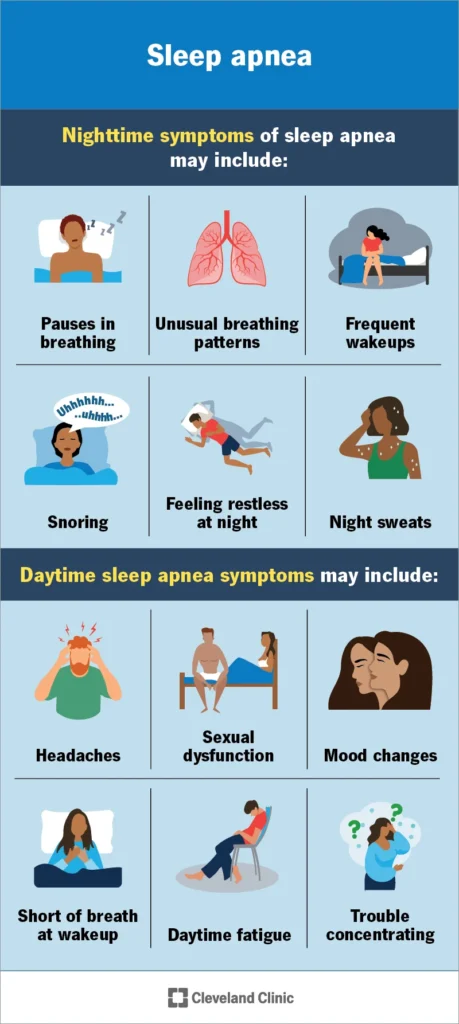
Reality: Snoring is often a sign that airflow is getting squeezed during sleep. Sometimes it’s harmless. Sometimes it’s a clue that sleep quality—and your health—deserve a closer look.
Right now, snoring is having a moment. People are swapping sleep tracker screenshots, testing “smart” pillows, and joking about relationship negotiations that start at bedtime. Add travel fatigue, packed calendars, and workplace burnout, and it’s no surprise many are looking for a faster fix—like an anti snoring mouthpiece.
What people are talking about (and why it matters)
Recent buzz has focused on whether popular mouthpieces actually work in real bedrooms, not just in ads. You’ll also see more headlines about oral appliances being studied and connected to broader care systems, which signals a bigger trend: sleep is moving from “nice to have” to “measurable health priority.”
If you want a quick read on the consumer-style conversation, see this SleepZee Reviews (Consumer Reports) Does This Anti-Snoring Mouthpiece Really Work?. Keep expectations realistic. The best “trend” is the one you can stick with safely.
What matters medically: snoring vs. sleep apnea signals
Snoring happens when soft tissues in the throat vibrate as air squeezes through. That squeeze can come from sleep position, alcohol, nasal blockage, or anatomy. It can also show up with obstructive sleep apnea (OSA), a condition linked with repeated breathing interruptions during sleep.
Because you can’t self-diagnose apnea from sound alone, use a screening mindset. Document what you notice so you can make better decisions and reduce risk.
Fast “red flag” checklist to write down
- Someone witnesses breathing pauses, choking, or gasping
- You wake with headaches, dry mouth, or feel unrefreshed most mornings
- Daytime sleepiness, dozing off easily, or concentration issues
- High blood pressure or heart/metabolic risk factors (discuss with a clinician)
- Snoring that’s loud, frequent, and worsening
If several apply, skip the “just a gadget” approach and consider a professional evaluation.
How to try changes at home (low-drama, high-signal)
Before you buy anything, run a short home trial. Think of it like troubleshooting a noisy car. You change one variable at a time so you learn what actually helps.
Step 1: Get a 7-night baseline
Use a notes app. Track bedtime, alcohol, congestion, sleep position, and how you feel in the morning. If your partner is involved, ask for a simple 1–5 “snore score.” Keep it light. Humor helps.
Step 2: Clean up the obvious triggers
- Side-sleeping: Back-sleeping often worsens snoring for many people.
- Alcohol timing: Late-night drinks can relax airway muscles.
- Nasal airflow: Address temporary congestion with non-medicated comfort measures (like humidification) if appropriate for you.
- Sleep schedule: Burnout sleep is rarely good sleep. Consistency helps more than most people expect.
Step 3: Consider an anti snoring mouthpiece—carefully
Many anti-snoring mouthpieces aim to hold the lower jaw slightly forward to reduce airway narrowing. For the right person, that can reduce snoring volume and improve perceived sleep quality.
If you’re comparing products, start here: anti snoring mouthpiece.
Safety + screening: your “no regrets” rules
- Prioritize fit and comfort: Pain is not “normal adjustment.” Mild soreness can happen, but sharp pain is a stop sign.
- Protect your jaw: If you have TMJ issues, jaw clicking/locking, or significant bite changes, talk to a dental professional before continuing.
- Keep it clean: Rinse after use, clean as directed, and store dry. Replace if it cracks, warps, or smells persistently.
- Document changes: Note snoring scores, morning energy, and any side effects. This reduces guesswork and helps if you need care later.
When to seek help (so you don’t miss the big issue)
Get medical guidance if snoring comes with choking/gasping, witnessed breathing pauses, or significant daytime sleepiness. Also reach out if you have cardiovascular risk factors, you’re pregnant, or symptoms escalate quickly.
See a dentist or clinician if a mouthpiece causes jaw pain, tooth pain, gum irritation, or bite changes that don’t settle. Comfort matters because adherence matters.
FAQ: quick answers people want
Do mouthpieces work for everyone?
No. Some people respond well, especially with position-related snoring. Others need different solutions, particularly if sleep apnea is present.
Can I just use a sleep tracker to know I’m fine?
Trackers can be useful for patterns, but they aren’t diagnostic tools. If symptoms suggest apnea, get screened.
What if snoring only happens during travel?
Travel fatigue, alcohol, dehydration, and back-sleeping in unfamiliar beds can all trigger snoring. Use your baseline notes to spot the driver.
CTA: take the next step
If you want a practical starting point, compare designs and fit styles here: anti snoring mouthpiece.
How do anti-snoring mouthpieces work?
Medical disclaimer: This article is for general education only and is not medical advice. Snoring can have multiple causes, including conditions that require professional diagnosis and treatment. If you suspect sleep apnea or have concerning symptoms, seek evaluation from a qualified clinician.