
Snoring is having a moment. So are sleep gadgets, wearable scores, and the “why am I awake at 3 a.m.?” spiral.
Then daylight savings hits, travel stacks up, and your partner starts negotiating pillow borders like it’s a treaty.
Thesis: Use a simple if-then decision path to pick the next move—sleep habits first, then the right tool (including an anti snoring mouthpiece) if it fits.
Start here: what snoring is doing to your sleep quality
Snoring isn’t just a sound problem. It can fragment sleep, dry out your mouth, and leave you feeling like you “slept” but didn’t recover.
It also creates relationship stress. That stress can feed back into lighter sleep, more awakenings, and more snoring. Annoying loop.
If…then… pick your next step (fast decision guide)
If you only snore sometimes (travel, late nights, burnout) → then stabilize the basics first
When your schedule is messy, your airway tends to be messier too. Think: short sleep, irregular bedtime, dehydration, alcohol, or nasal stuffiness.
Try this for a week:
- Set a consistent wake time, even on weekends. It’s the anchor that makes bedtime easier.
- Use a short wind-down (10–20 minutes). Screens down, lights down, brain down.
- Reduce back-sleeping if you notice snoring is worse on your back.
Seasonal time changes can make this harder. If you want a general, expert-style framing for adjusting your schedule around the clock shift, see these I asked 5 doctors for their best ever sleep hygiene tips to fall asleep fast and reverse 3 a.m. wake-ups — here’s what they said.
If your partner says it’s loud most nights → then consider an airway-focused device
Chronic snoring often needs more than “go to bed earlier.” This is where an anti snoring mouthpiece can make sense, especially if your snoring seems tied to jaw position and relaxed throat tissues.
In plain terms, many mouthpieces work by gently bringing the lower jaw forward. That can help reduce airway narrowing that drives vibration (snoring sound).
If you wake up with dry mouth or sore throat → then check mouth-breathing and fit
Dry mouth can come from mouth-breathing, congestion, or sleeping with your jaw dropped. It can also happen if a mouthpiece fit is off or if you’re clenching against it.
Before chasing the newest trend (like mouth tape), start with low-risk steps:
- Nasal support: manage congestion and keep the bedroom air comfortable.
- Side-sleep cues: a pillow setup that keeps you from rolling flat on your back.
- Mouthpiece comfort check: no sharp edges, no pressure points, no “forced” bite.
If you’re tempted by every new sleep hack → then choose one variable at a time
Sleep headlines love a “one weird trick.” Real life is messier. Stacking gadgets makes it impossible to know what helped.
Pick one change for 7–14 nights. Track two outcomes: (1) snoring reports from a partner or app, and (2) how you feel at 2 p.m.
Where an anti-snoring mouthpiece fits (and how to choose)
Not all mouthpieces feel the same. Comfort and consistency matter more than perfection on night one.
ICI basics: what you’re optimizing
- Interface: how it contacts teeth and gums (smooth, stable, not bulky).
- Comfort: minimal jaw strain, minimal gag feeling, no hot spots.
- Impact: noticeable reduction in snoring intensity and fewer sleep disruptions.
Positioning: small adjustments beat big jumps
If your mouthpiece advances the jaw, more is not always better. Too much advancement can create jaw soreness and make you quit.
Aim for the smallest change that improves snoring while keeping your jaw relaxed in the morning.
Cleanup: the habit that keeps it wearable
Most people abandon devices because they become “another chore.” Keep cleaning simple:
- Rinse after use.
- Brush gently with a soft toothbrush (avoid harsh abrasives).
- Let it air-dry fully before storing.
If you’re ready to shop: what to look for in a mouthpiece
Focus on fit, comfort, and a design you can stick with. If you want a starting point for browsing, see anti snoring mouthpiece.
- Fit method: some are boil-and-bite; others are adjustable.
- Bulk level: slimmer often feels easier for first-timers.
- Jaw comfort: look for designs that don’t force an extreme position.
- Ease of cleaning: if it’s annoying, it won’t last.
FAQ (quick answers)
Are sleep apps useful for snoring?
They can help you notice patterns (alcohol nights, back-sleeping, travel fatigue). Treat the score as a trend, not a diagnosis.
What about vitamin or supplement angles?
You’ll see headlines linking nutrients to snoring. Nutrients matter for health, but snoring usually comes down to anatomy, sleep stage, position, and airflow. If you suspect a deficiency, ask a clinician for guidance.
Can workplace burnout make snoring worse?
Indirectly, yes. Burnout often means less sleep, more irregular hours, and more stress habits. Those can raise snoring risk.
Next step: pick one path and run it for 14 nights
If snoring is occasional, tighten your schedule and reduce back-sleeping first. If it’s frequent and disruptive, a mouthpiece may be the cleanest next step.
How do anti-snoring mouthpieces work?
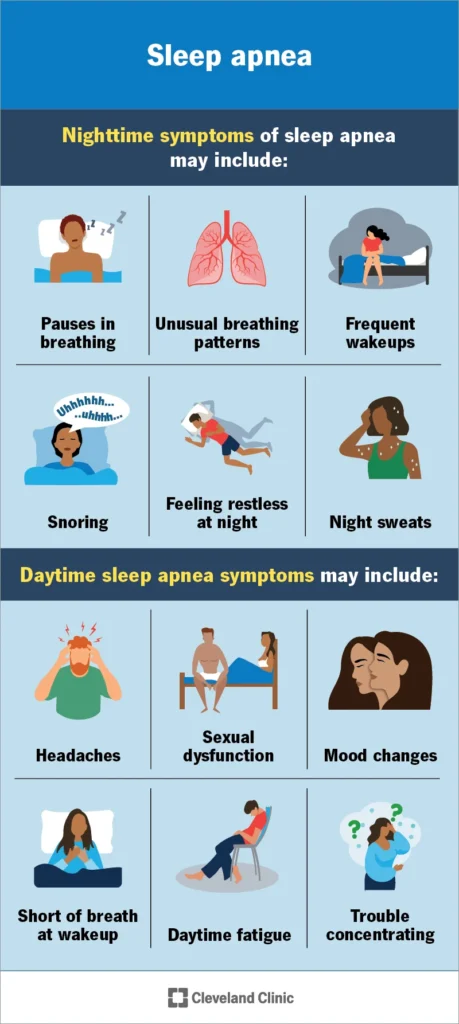
Medical disclaimer: This article is for general education only and isn’t medical advice. Snoring can be a sign of sleep apnea or other health issues. If you have breathing pauses, choking/gasping, significant daytime sleepiness, chest pain, or concerns about your safety, talk with a qualified clinician.