
- Snoring is having a moment. Between sleep gadgets, “new year reset” talk, and burnout culture, everyone wants faster fixes.
- Sleep quality beats sleep hacks. The goal is fewer awakenings, steadier breathing, and better next-day energy.
- An anti snoring mouthpiece can be a practical middle step. It’s less intense than many medical therapies, but it still needs smart screening.
- Don’t ignore red flags. Snoring plus choking/gasping, morning headaches, or heavy daytime sleepiness needs a real evaluation.
- Document what you try. Notes reduce wasted money, improve conversations with clinicians, and help you spot patterns.
What people are talking about right now (and why)
Sleep advice is trending again, especially “fresh start” routines that focus on behavior and mindset. You’ll see a lot of talk about building sleep drive, protecting your circadian rhythm, cleaning up sleep hygiene, and calming pre-bed overthinking. That’s the sensible side of the conversation.
Then there’s the gadget wave. Wearables, sound machines, nose strips, smart pillows, and viral ideas like mouth taping keep popping up. Add travel fatigue, packed calendars, and workplace burnout, and it’s no surprise couples are joking about “sleep divorce” or negotiating who gets the quiet side of the bed.
Snoring sits right at the intersection of all of it. It’s annoying, it’s social, and it can be a health signal. That mix makes people hungry for a solution that’s fast and not dramatic.
If you want a mainstream overview of sleep habit categories people keep referencing, see this link on Here are five behavioral and psychological tips for a fresh start toward better sleep in the new year, spanning five categories — sleep drive, circadian rhythm, sleep hygiene, overthinking and pre-bed activity. https://wapo.st/3MQgP1D.
What matters medically (without the scare tactics)
Snoring usually happens when airflow gets turbulent and tissues in the upper airway vibrate. That can be louder when you sleep on your back, drink alcohol close to bedtime, have nasal congestion, or carry extra tissue around the neck and throat.
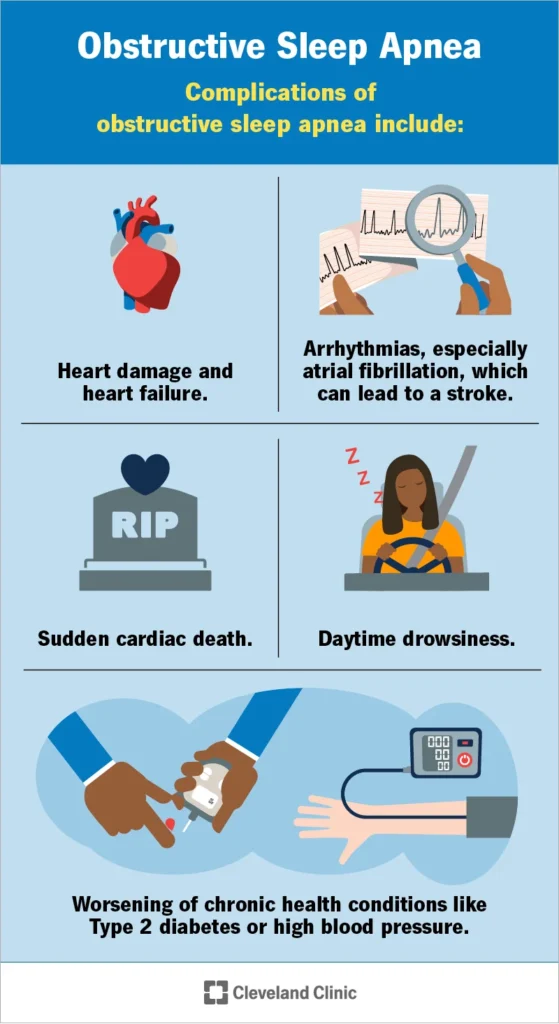
Sometimes snoring is “just snoring.” Other times, it’s part of a bigger breathing problem during sleep. One reason headlines keep circling back to sleep apnea is that it’s common, underdiagnosed, and tied to real health outcomes. You don’t need to self-diagnose, but you do need to screen for warning signs.
Red flags worth taking seriously
- Pauses in breathing, choking, or gasping reported by a partner
- Excessive daytime sleepiness, dozing off easily, or drowsy driving
- Morning headaches, dry mouth, or sore throat most mornings
- High blood pressure or heart risks (especially with loud nightly snoring)
If those show up, a mouthpiece may still be part of the plan, but you’ll want a clinician’s guidance rather than guesswork.
How to try improvements at home (low-drama, high-impact)
Think of this as a two-lane approach: improve the conditions for good sleep, and reduce the mechanics that trigger snoring. Don’t change ten things at once. That makes it hard to know what helped.
Lane 1: Sleep quality basics that actually stick
- Set a consistent wake time. It anchors your body clock even when bedtime varies.
- Create a short “landing routine.” Ten minutes of low light and low stimulation beats an hour of scrolling.
- Move worry earlier. Write tomorrow’s to-dos before bed so your brain stops rehearsing them at midnight.
- Reduce late alcohol. It can relax airway muscles and make snoring worse for some people.
Lane 2: Snoring mechanics you can test safely
- Change position. Side-sleeping often reduces snoring volume for back-snorers.
- Address nasal stuffiness. If you can’t breathe well through your nose, snoring gets easier to trigger.
- Be cautious with viral hacks. Mouth taping is getting attention, but it isn’t a fit for everyone and can backfire if nasal breathing is limited.
Where an anti-snoring mouthpiece fits
An anti snoring mouthpiece is typically designed to help keep the airway more open by changing jaw and/or tongue position during sleep. For many people, that’s the core issue: the airway narrows when muscles relax.
To reduce risks and regrets, treat this like a small home trial with documentation:
- Baseline first. For 3 nights, note snoring intensity (partner rating or app), wake-ups, and morning energy.
- Start on a low-stakes week. Don’t begin the night before a presentation or a flight.
- Track comfort. Jaw soreness, tooth discomfort, or headaches are signals to adjust or pause.
- Keep it clean. Wash and store it properly to reduce irritation and hygiene issues.
If you want a product option to compare, here’s a related search-style link: anti snoring mouthpiece.
When to stop experimenting and get help
Home trials are fine for uncomplicated snoring. Don’t stretch them out for months if you feel worse.
Make the appointment if any of these are true
- Your partner reports breathing pauses, gasping, or choking
- You’re tired despite “enough” time in bed
- Snoring is loud, nightly, and escalating
- You have significant jaw pain, dental issues, or bite changes with a device
Bring your notes. A simple log helps a clinician decide whether screening for sleep apnea or other issues makes sense. It also shows what you already tried.
FAQ
Do anti-snoring mouthpieces work for everyone?
No. They tend to help most when airway narrowing relates to jaw/tongue position. They may not address snoring driven by other factors.
How long does it take to notice a difference?
Some people notice changes within a few nights, but comfort can take longer. Use a short tracking window so you don’t rely on vibes alone.
Is snoring always a health problem?
Not always. Still, persistent loud snoring plus daytime sleepiness or breathing pauses should be checked.
What’s the difference between a mouthpiece and mouth taping?
A mouthpiece aims to support airflow by changing oral/jaw position. Mouth taping attempts to keep the mouth closed, which isn’t appropriate for everyone and may be unsafe if nasal breathing is impaired.
Can a mouthpiece help with travel fatigue sleep?
It can, especially if travel pushes you onto your back or disrupts routines. Pair it with consistent wake times and a wind-down routine for better results.
Next step
You don’t need a drawer full of gadgets. You need one plan you can stick to, plus a clear line for when to escalate.
How do anti-snoring mouthpieces work?
Medical disclaimer: This article is for general education and is not medical advice. Snoring can be a symptom of sleep apnea or other conditions. If you have breathing pauses, choking/gasping, severe daytime sleepiness, chest pain, or concerning symptoms, seek care from a qualified clinician.