
At 2:13 a.m., someone nudges their partner, then rolls to the far edge of the mattress. The snoring pauses for a minute, then ramps up again. By morning, both people feel like they “slept,” yet neither feels rested.
That scene is everywhere right now—along with the new wave of sleep gadgets, wearable sleep scores, and social posts about “fixing” breathing. Add travel fatigue, winter congestion, and workplace burnout, and it’s no surprise people are searching for a practical, low-drama option like an anti snoring mouthpiece.
What people are trying right now (and why it’s everywhere)
Sleep has become a hobby. Folks are buying white-noise machines, blackout curtains, nasal strips, humidifiers, and “smart” alarms. Product roundups keep circulating because the basics still matter: fewer wake-ups, deeper sleep, and less next-day fog.
Another trend: breathing talk. You’ll see advice about nasal breathing, posture, and nighttime routines. Some tips are helpful. Others get oversold. The takeaway is simple—airflow and sleep quality are linked, and snoring is often the loudest clue.
Why the timing talk matters, too
People are also connecting snoring to lifestyle timing: late-night work, doom-scrolling, and caffeine too late in the day. A common theme in recent sleep coverage is giving your brain a buffer before bed. If you’re working right up to lights-out, you’re more likely to sleep lightly and wake often—snoring or not.
What actually matters medically (without the hype)
Snoring usually happens when airflow becomes turbulent and soft tissues vibrate. That can be as simple as sleeping on your back after a long day. It can also be a sign of a bigger problem, including sleep apnea.
Snoring vs. sleep apnea: the key difference
Snoring is noise. Sleep apnea is interrupted breathing. The two can overlap, but they are not the same thing.
- Common snoring triggers: back sleeping, alcohol close to bedtime, nasal congestion, weight changes, and certain sleep medications.
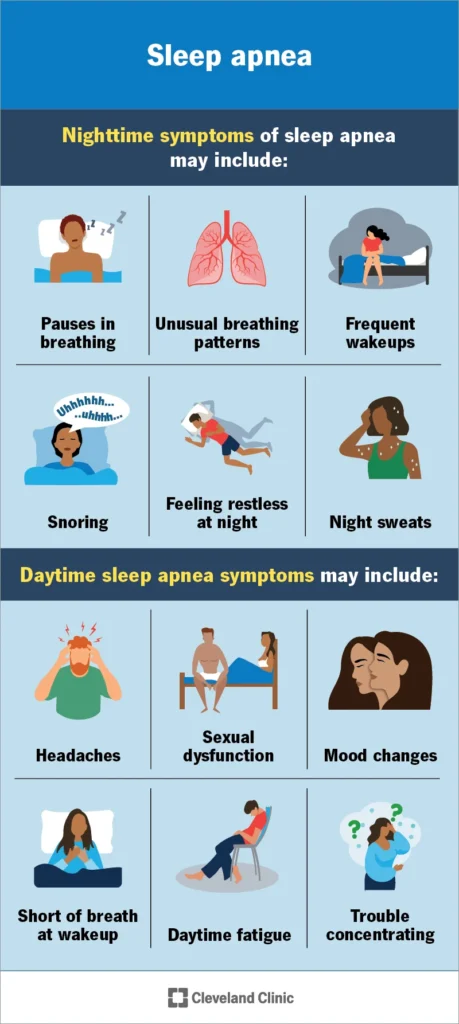
- Sleep apnea red flags: choking/gasping, witnessed pauses in breathing, morning headaches, high blood pressure, and severe daytime sleepiness.
Seasonal factors can play a role as well. Cold weather and dry indoor air can worsen congestion and airway irritation for some people, which can make breathing at night harder. If you want a general overview of seasonal risk and symptoms, see this resource on Why Winter Can Make Sleep Apnea Worse.
What you can try at home first (quick, realistic checks)
If your goal is better sleep quality, don’t start with a shopping cart. Start with a short at-home audit. You want to learn what’s driving the snoring.
Step 1: Run a 3-night “pattern check”
- Position test: Side-sleep one night, back-sleep another (if safe/comfortable), and compare snoring intensity.
- Alcohol timing: Avoid alcohol within 3–4 hours of bed for one night and see if the sound changes.
- Work cutoff: Try ending work and heavy tasks earlier in the evening. Many people notice fewer wake-ups when their brain gets a wind-down window.
Step 2: Clear the “easy blockers”
Address dryness and congestion if those are clearly in play. A humidifier, saline rinse, or allergy control can be enough for some people. If you always breathe through your mouth at night, that’s also useful information—mouth breathing can worsen dryness and snoring for many sleepers.
Step 3: Consider an anti-snoring mouthpiece when the pattern fits
An anti snoring mouthpiece is usually designed to move the lower jaw slightly forward (or stabilize the tongue) to help keep the airway more open. It’s most relevant when snoring seems tied to jaw position, back sleeping, or a relaxed airway.
If you’re comparing options, start here: anti snoring mouthpiece.
- Good sign: Snoring improves when you sleep on your side or when your jaw is supported.
- Less likely to help: Snoring is mainly from severe nasal blockage, or you have strong apnea symptoms.
- Comfort matters: Fit and jaw comfort determine whether you’ll actually wear it consistently.
When to stop DIY and get checked
Relationship jokes about snoring are common, but persistent snoring can be a health signal. Don’t “power through” if daytime function is sliding or if breathing seems disrupted at night.
Book an evaluation if you notice any of these
- Gasping, choking, or witnessed pauses in breathing
- Excessive daytime sleepiness or near-miss drowsy driving
- Morning headaches, mood changes, or concentration problems
- High blood pressure or new heart-related concerns
- Snoring that worsens sharply over a short period
A clinician may recommend a sleep study, and treatment options can include CPAP, oral appliances, positional therapy, and targeted lifestyle changes.
FAQ: fast answers for real-life snoring
Is it okay to use sleep gadgets and a mouthpiece together?
Often, yes. Many people combine basic sleep hygiene tools (dark room, consistent schedule) with a mouthpiece. Just avoid stacking too many changes at once, or you won’t know what helped.
What if my partner says I snore more when I’m exhausted?
That’s common. Travel fatigue, burnout, and irregular sleep can increase airway relaxation and make snoring louder. Improving sleep timing can reduce the intensity for some people.
Next step: get a clearer answer faster
If your snoring pattern suggests jaw/tongue position is part of the problem, a mouthpiece may be a practical next move—especially when you want something simpler than a full gadget overhaul.
How do anti-snoring mouthpieces work?
Medical disclaimer: This article is for general education only and is not medical advice. Snoring can be a symptom of sleep apnea or other health conditions. If you have choking/gasping, witnessed breathing pauses, severe daytime sleepiness, or other concerning symptoms, seek evaluation from a qualified healthcare professional.