
On the third night of a work trip, “M.” did what a lot of tired people do: opened a shopping app at 1:12 a.m. and searched for a quick fix. The hotel bed felt fine, but the snoring wasn’t. It bounced off the walls, woke a colleague in the next room, and made the next morning’s meeting feel like a marathon.
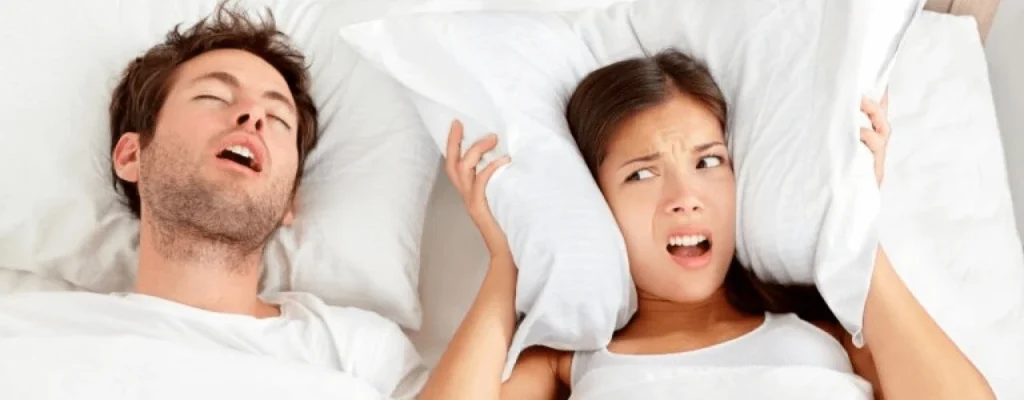
That late-night spiral is having a moment. Sleep gadgets are everywhere, social feeds are full of “sleep hacks,” and couples are joking (sometimes not joking) about separate bedrooms. Under the humor is a real issue: poor sleep quality has a cost, and snoring can be a clue that something bigger is going on.
Overview: What snoring is (and why the buzz is louder lately)
Snoring happens when airflow gets turbulent and tissues in the upper airway vibrate. Alcohol, congestion, back sleeping, weight changes, and simple anatomy can all play a role. Travel fatigue and workplace burnout also don’t help, because stress and irregular schedules can fragment sleep and make snoring feel even more disruptive.
Recent health coverage has also pushed snoring into the “take it seriously” category. Many outlets have highlighted how sleep apnea relates to overall health, including heart health, and how different types of sleep apnea exist. The takeaway is simple: snoring isn’t automatically dangerous, but it also isn’t always harmless.
One trend that keeps popping up is mouth taping. Some people claim it improves sleep or reduces snoring. However, many doctors have warned against mouth taping during sleep, especially for people who may have sleep-disordered breathing or nasal blockage. If you’re curious about that discussion, see Central Sleep Apnea vs. Obstructive Sleep Apnea: Which Is More Serious?.
Timing: When to act on snoring (and when not to wait)
Pick a time when you can observe patterns for a week, not just one rough night. A single late meal, a couple of drinks, or a red-eye flight can make anyone snore. Consistent snoring is different.
Don’t wait if snoring comes with red flags. Examples include choking or gasping during sleep, witnessed breathing pauses, morning headaches, significant daytime sleepiness, or high blood pressure concerns. Those signs deserve a clinician’s input because sleep apnea can be involved.
Supplies: What you need for a realistic, low-drama plan
1) A simple tracking method
Use a notes app or a basic sleep/snore recorder. You’re looking for trends: frequency, volume, and what changed (alcohol, congestion, sleeping position).
2) A few “sleep environment” basics
Think: consistent bedtime window, cooler room, and reduced late-night scrolling. It’s not flashy, but it supports sleep quality.
3) A mouthpiece option (if you’re a good candidate)
An anti snoring mouthpiece can help some people by supporting the jaw and/or tongue position to keep the airway more open. If you want to compare options, start here: anti snoring mouthpiece.
Step-by-step (ICI): Implement → Check → Iterate
Step 1: Implement the “easy wins” for 7 nights
Try side sleeping, reduce alcohol close to bedtime, and address obvious nasal stuffiness (like dry air or temporary congestion). Keep the goal modest: fewer wake-ups and less disruption, not perfection.
Step 2: Check your results with two questions
- Noise check: Did snoring drop in frequency or intensity?
- Daytime check: Do you feel more alert, or are you still dragging through the day?
If you improved, keep going. If you didn’t, that’s useful data.
Step 3: Iterate by adding a mouthpiece (carefully)
If you don’t have red-flag symptoms and you want a non-invasive tool, a mouthpiece may be worth testing. Start on a low-stakes week (not during your biggest presentation or the first night of a vacation). Give yourself a short adjustment period and pay attention to comfort.
If you wake up with sharp jaw pain, tooth pain, or a locked feeling, stop and get professional guidance. Comfort matters because an uncomfortable device can reduce sleep quality even if it reduces noise.
Mistakes people are making right now (thanks, trends)
Chasing viral hacks instead of fixing the basics
Sleep is having a cultural moment, and gadgets can be fun. Still, the boring stuff—schedule, position, alcohol timing—often moves the needle more than a new “miracle” trick.
Assuming snoring is only a relationship problem
Yes, snoring can be a nightly negotiation. Yet persistent, loud snoring can also be a health signal. If you have symptoms suggestive of sleep apnea, treat it like a medical conversation, not just a bedroom joke.
Trying mouth taping without considering breathing risk
Mouth taping gets framed as a shortcut to “better breathing.” But if your nose is blocked or you might have sleep-disordered breathing, restricting airflow can be a bad idea. Many clinicians advise caution, and it’s not a DIY solution for everyone.
FAQ: Quick answers on snoring, sleep quality, and mouthpieces
Can an anti snoring mouthpiece help with sleep quality?
It may, if snoring is waking you (or your partner) and the device reduces that disruption. Sleep quality improves when sleep becomes less fragmented.
What if my snoring is worse after travel?
Travel fatigue, alcohol at dinners, dehydration, and unusual pillows can all contribute. Re-check your baseline once you’re back to normal routines.
Do I need a sleep study?
If you have loud chronic snoring plus choking/gasping, witnessed pauses, or significant daytime sleepiness, ask a clinician about evaluation. A sleep study is one common way to assess sleep apnea.
CTA: Make your next step simple
If you’re aiming for quieter nights without getting pulled into risky trends, start with proven basics and consider a mouthpiece if you’re a good fit. Explore options here: anti snoring mouthpiece.
How do anti-snoring mouthpieces work?
Medical disclaimer: This article is for general education and is not medical advice. Snoring can have many causes, including sleep apnea. If you have breathing pauses, gasping, chest pain, severe daytime sleepiness, or concerns about heart health, talk with a qualified clinician.