
On a red-eye flight, an exhausted traveler dozes off for ten minutes. The cabin goes quiet—then the snoring starts. A seatmate laughs, someone records a “sleep gadget review” voice note, and the snorer wakes up embarrassed and even more tired.
That’s the vibe right now. Sleep is a cultural obsession, burnout is real, and couples joke about “separate blankets” like it’s a relationship upgrade. Under the humor sits a basic problem: snoring can crush sleep quality for two people at once.
What people are talking about right now (and why)
Sleep advice is trending again, especially the boring stuff that actually works: consistent schedules, light management, and fewer late-night scroll spirals. At the same time, the market is flooded with wearables, apps, and “smart” sleep accessories that promise quick fixes.
Snoring sits at the center of that hype cycle because it’s loud, disruptive, and easy to notice. You don’t need a sleep tracker to know you woke up at 2:11 a.m. to a chainsaw soundtrack.
Shift work is part of the conversation too. Night shifts and rotating schedules can throw off timing, routines, and recovery. When sleep gets lighter and more fragmented, snoring complaints often get louder.
There’s also ongoing interest in new anti-snoring devices being tested and reviewed. Translation: people want something practical that doesn’t require a full lifestyle makeover.
What matters medically (without the drama)
Snoring happens when airflow is partially blocked and soft tissues vibrate. Common contributors include sleeping on your back, nasal congestion, alcohol close to bedtime, weight changes, and jaw or tongue position.
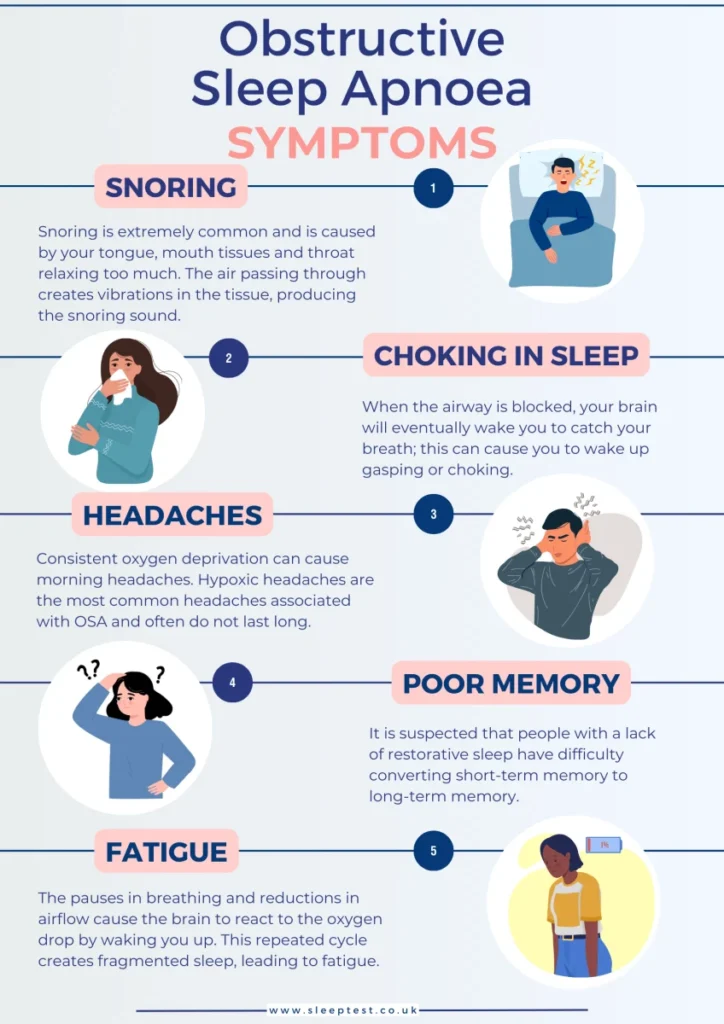
Snoring is not automatically dangerous. Still, it can be a sign of obstructive sleep apnea in some people. Apnea is different because it involves repeated breathing interruptions and oxygen drops.
Here’s the budget lens: don’t throw money at gadgets until you’ve separated “simple snoring” from “possible apnea.” If you suspect apnea, you’ll save time and risk by getting evaluated.
Medical disclaimer: This article is for general education only and is not medical advice. It does not diagnose, treat, or replace care from a qualified clinician. If you’re concerned about sleep apnea or persistent symptoms, seek professional evaluation.
How to try fixes at home (without wasting a cycle)
Start with the lowest-cost moves first. They often stack well with an anti snoring mouthpiece if you decide to use one.
Step 1: Do a quick “snore audit” for 3 nights
- Timing: Is it worse after alcohol, a late meal, or a brutal workday?
- Position: Is it louder on your back than on your side?
- Nose: Are you congested or mouth-breathing?
- Daytime: Do you wake up unrefreshed or fight sleep at your desk?
Keep it simple. Notes in your phone beat a complicated spreadsheet you’ll abandon.
Step 2: Use the “cheap wins” that actually change airflow
- Side-sleeping: A body pillow or backpack-style position trick can reduce back-sleeping.
- Nasal support: Saline rinse, humidifier, or nasal strips can help if congestion is a driver.
- Alcohol timing: If you drink, try moving it earlier. Snoring often worsens when muscles relax more.
- Wind-down routine: A consistent shutdown helps, especially if travel fatigue or shift work is in the mix.
If you want a quick scan of what’s circulating in mainstream sleep advice, see These Are the Sleep Tips Experts (And Science!) Actually Back. Use it as a filter, not a shopping list.
Step 3: Where an anti snoring mouthpiece fits
If your snoring seems linked to jaw position or mouth-breathing, an anti snoring mouthpiece may help by encouraging a more open airway during sleep. Many designs work by gently moving the lower jaw forward (often called mandibular advancement).
Practical buying rule: choose something you can actually tolerate. The “best” device on paper is useless if it sits in a drawer after night two.
If you want a simple option that pairs jaw support with an external stabilizer, look at this anti snoring mouthpiece. Keep expectations realistic and track results.
Step 4: Run a 10-night test like a grown-up
- Measure: Partner rating (0–10), wake-ups, morning dry mouth, and daytime energy.
- Control: Keep bedtime and alcohol timing similar so you’re not guessing.
- Adjust: If soreness or headaches show up, stop and reassess.
This avoids the common trap: buying three gadgets and still not knowing what helped.
When to stop DIY and get help
Don’t push through symptoms that suggest more than simple snoring. Get medical guidance if you notice any of the following:
- Breathing pauses, choking, or gasping during sleep
- Severe daytime sleepiness, drowsy driving risk, or morning headaches
- High blood pressure concerns or heart/lung conditions (ask your clinician)
- Jaw pain that persists, bite changes, or tooth pain with a mouthpiece
- Snoring that suddenly worsens or comes with new symptoms
If you work nights or rotate shifts, mention that too. Sleep timing issues can change what “good sleep” looks like and how you treat it.
FAQ: quick answers before you buy anything
Is it normal to snore more when you’re stressed or burnt out?
It can happen. Stress often worsens sleep quality and increases lighter, fragmented sleep. That can make snoring more noticeable to you and your partner.
Can travel make snoring worse?
Yes. Dry air, alcohol, congestion, and sleeping on your back in an unfamiliar bed can all contribute.
Should I use a mouthpiece if I have TMJ issues?
Be careful. Some people with jaw problems may need a dentist’s guidance before using any jaw-advancing device.
CTA: pick a path that’s realistic tonight
If you want a practical next step, start with side-sleeping and nasal support for three nights. If snoring still wins, consider a mouthpiece test with simple tracking.