
On a red-eye flight, “Jordan” promised themself they’d fix their sleep when they landed. New city, big meetings, and a hotel room with thin walls. Night one: a snore that could rattle a suitcase zipper. By morning, their partner’s texts were half jokes, half frustration. “I love you, but I’m moving to the couch.”
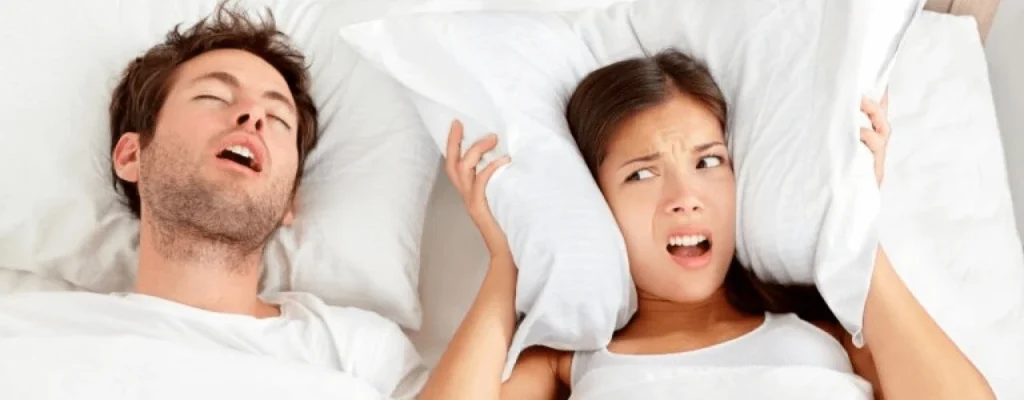
If that feels familiar, you’re not alone. Snoring has become a group project lately—tracked by wearables, debated on social feeds, and tested with every gadget that ships overnight. Let’s sort what’s trending from what actually helps, and where an anti snoring mouthpiece fits.
What people are trying right now (and why it’s everywhere)
Sleep is having a cultural moment. Burnout is real, travel is back, and couples are negotiating bedtime like it’s a shared calendar. That’s why “sleep hacks” spread fast—especially the ones that look simple on camera.
Viral hacks: simple, shareable, and not always smart
One trend making the rounds is mouth taping. It’s often framed as a quick fix for snoring or “better breathing.” But safety questions come up fast, especially for kids and anyone with congestion or breathing issues. If you’re curious, read up from a cautious, practical angle here: Is Mouth Taping Safe for Sleep? What Parents Should Know About This TikTok Trend.
Bottom line: if a hack blocks airflow, it deserves extra skepticism. Snoring is annoying, but breathing is non-negotiable.
Sleep gadgets: data is helpful until it becomes pressure
Rings, watches, bedside sensors—sleep tracking can motivate better habits. It can also create “performance sleep,” where you stress about your score and sleep worse. If snoring is causing conflict, the goal isn’t perfect metrics. It’s quieter nights and better recovery.
What matters medically (in plain language)
Snoring happens when airflow is partly blocked and soft tissues vibrate. It can be driven by sleep position, alcohol, nasal congestion, anatomy, or jaw/tongue position. It can also be linked to obstructive sleep apnea, a condition where breathing repeatedly narrows or pauses during sleep.
Snoring vs. sleep apnea: the “don’t ignore this” checklist
Snoring by itself can be “just snoring.” But consider screening if any of these show up:
- Pauses in breathing, choking, or gasping during sleep (often noticed by a partner)
- Morning headaches or dry mouth that’s new or worsening
- Excessive daytime sleepiness, brain fog, or irritability
- High blood pressure or heart risk factors alongside loud snoring
If that sounds like you, don’t self-treat forever. A check-in with a clinician can clarify whether sleep apnea is in the picture.
What you can try at home (without turning bedtime into a science fair)
Start with the low-effort changes that reduce airway irritation and collapse. Give each one a real trial for a week, not a single night.
Quick wins that often reduce snoring
- Side sleeping: Many people snore more on their back.
- Alcohol timing: Drinking close to bedtime can relax airway muscles.
- Nasal support: If you’re congested, consider saline rinse or nasal strips.
- Bedroom basics: Cooler, darker, quieter rooms reduce fragmented sleep.
- Consistent schedule: Irregular sleep can worsen snoring and fatigue.
Where an anti snoring mouthpiece fits
If your snoring seems tied to jaw position (often worse on your back, worse with deep sleep, or described as “throat” snoring), an anti-snoring mouthpiece may help by encouraging a more open airway. Many products fall into two broad categories:
- Mandibular advancement devices (MADs): Gently move the lower jaw forward.
- Tongue-retaining devices (TRDs): Hold the tongue in a forward position.
If you’re comparing options, start here: anti snoring mouthpiece. Focus on comfort, adjustability, and clear usage instructions. A device you can’t tolerate won’t help—no matter how good the marketing is.
Realistic expectations (and relationship expectations)
Mouthpieces can reduce snoring volume for some people. They don’t solve every cause. They also require teamwork: a short adjustment period, honest feedback, and a plan if things don’t improve.
Try a simple “two-week agreement” with your partner: you test one approach at a time, they track whether snoring changes, and you both agree on a fallback (guest room, earplugs, or earlier bedtime) while you troubleshoot. Less resentment, more sleep.
When it’s time to stop experimenting and get help
Get evaluated sooner rather than later if snoring is loud and persistent, your partner notices breathing pauses, or you feel dangerously sleepy during the day. Also get help if you develop jaw pain, tooth pain, or headaches after using a mouthpiece.
If you’re dealing with chronic insomnia, panic at bedtime, or “wired but tired” burnout, consider that stress can worsen sleep quality even when snoring improves. You may need a broader plan than a single device.
FAQ: fast answers before you buy another sleep gadget
Is mouth taping a safe snoring fix?
It’s widely discussed online, but safety depends on the person and situation. Avoid anything that could restrict breathing, especially with nasal blockage or in children, and consider professional guidance.
Can a mouthpiece replace medical care for sleep apnea?
Not if sleep apnea is suspected. Some oral devices are used under supervision, but you still need proper evaluation and follow-up.
What if my partner snores and won’t address it?
Lead with impact, not blame: “I’m not sleeping and it’s affecting my day.” Suggest a time-limited trial and agree on next steps together.
CTA: choose a calmer, clearer next step
Snoring isn’t just noise. It can strain relationships, wreck recovery, and make travel or work weeks feel impossible. If you’re ready to explore a mouthpiece option without the hype cycle, start with a straightforward overview and product path.
How do anti-snoring mouthpieces work?
Medical disclaimer: This article is for general education and is not medical advice. It does not diagnose, treat, or replace care from a qualified clinician. If you suspect sleep apnea, have breathing pauses, severe daytime sleepiness, chest pain, or worsening symptoms, seek medical evaluation.