
Snoring is having a moment again. Not the funny kind—more like the “why am I exhausted at 10 a.m.?” kind.
Between sleep wearables, travel fatigue, and viral bedtime hacks, it’s easy to try the loudest trend instead of the right next step.
If snoring is hurting sleep quality or your relationship, an anti snoring mouthpiece can be a practical tool—but it’s not a substitute for checking apnea risk.
Why is everyone talking about snoring and sleep right now?
Sleep has turned into a productivity conversation. People track their “sleep score,” blame daylight savings for brain fog, and joke about separate bedrooms like it’s a streaming-series plot twist.
At the same time, burnout is real. When you’re stressed, you’re more likely to notice every wake-up, every snore, and every morning headache.
Snoring sits right in the middle of all that. It’s noisy, it’s social, and it’s often the first sign that sleep quality is slipping.
Is snoring just annoying—or can it point to something bigger?
Some snoring is positional or lifestyle-related. Alcohol late at night, sleeping on your back, or nasal congestion can all make it worse.
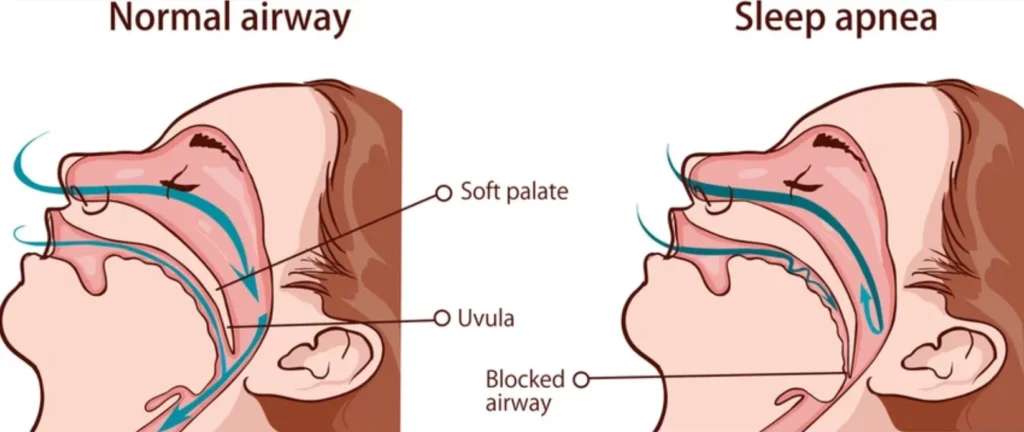
But snoring can also show up alongside sleep apnea. Recent coverage keeps highlighting that point: snoring isn’t always “just snoring,” and devices that help breathing at night are getting more attention.
Quick red flags to take seriously
- Gasping, choking, or pauses in breathing during sleep (often noticed by a partner)
- Waking up unrefreshed despite enough time in bed
- Morning headaches or dry mouth
- Daytime sleepiness, irritability, or trouble focusing
If these sound familiar, put “rule out sleep apnea” on your list. A mouthpiece can still be part of the plan, but you’ll want the right plan.
What’s the deal with mouth taping and other viral sleep hacks?
Sleep gadgets and hacks travel fast online. Mouth taping is one of the biggest recent examples, and scientists have publicly urged caution about turning it into a one-size-fits-all solution.
If your nose is clear and you’ve talked with a clinician, you may get specific guidance. If you’re congested, have allergies, or suspect sleep apnea, restricting airflow can backfire.
For many people, the safer “trend” is boring: improve sleep hygiene, reduce triggers, and use proven tools that don’t rely on a risky shortcut.
For more on the cautionary coverage, see this related update: Scientists warn against viral nighttime mouth-taping trend.
Can an anti snoring mouthpiece improve sleep quality?
It can, especially when snoring is driven by airflow turbulence and relaxed tissues during sleep. Many mouthpieces work by gently shifting the lower jaw forward or stabilizing tongue position, which may help keep the airway more open.
The real win is what happens next. Less snoring often means fewer micro-wakeups, fewer “did you hear that?” nudges, and less tension at bedtime.
Where mouthpieces fit best
- Relationship sleep: When snoring is disrupting your partner’s rest and turning nights into negotiations.
- Travel fatigue: When unfamiliar beds, long flights, or late dinners make snoring flare up.
- Gadget overload: When you want something simple that doesn’t require charging or app alerts at 2 a.m.
What should you look for before you try a mouthpiece?
Start with comfort and fit. If a device hurts, you won’t use it consistently, and inconsistent use won’t help your sleep.
Next, think about your goal. Are you trying to quiet mild snoring, reduce nightly disruptions, or support a broader plan after a sleep evaluation?
Practical checklist (no fluff)
- Fit: Should feel secure without forcing your jaw into pain.
- Breathing comfort: You should be able to breathe easily through your nose.
- Consistency: A “pretty good” option you’ll wear beats a “perfect” one you won’t.
- Safety: If you suspect apnea, don’t self-manage only with gadgets—get evaluated.
How do you bring this up without starting a fight?
Snoring conversations can land like criticism, even when they’re not meant that way. Try framing it as a shared problem: “We both need better sleep.”
Keep it specific and time-limited. Suggest a two-week experiment with one change at a time, then reassess together.
If you’re the snorer, lead with ownership. If you’re the listener, lead with empathy. Either way, the goal is better rest—not winning the argument.
What else can you do tonight to sleep better (besides buying something)?
Sleep hygiene still matters, and it’s trending for a reason. Campus health programs and sleep experts keep repeating the basics because the basics work.
- Keep a steady sleep schedule, especially around time changes.
- Avoid heavy meals and alcohol close to bedtime.
- Try side-sleeping if snoring is worse on your back.
- Address nasal congestion with clinician-approved options.
FAQ: quick answers on mouthpieces, snoring, and sleep health
Is snoring always a problem?
Not always, but frequent loud snoring, gasping, or daytime sleepiness can signal a bigger sleep-breathing issue worth discussing with a clinician.
Are viral mouth-taping hacks safe?
They’re not a fit for everyone. If you have nasal congestion, breathing issues, or possible sleep apnea, blocking airflow can be risky—get medical guidance first.
What does an anti-snoring mouthpiece actually do?
Many designs gently position the jaw or tongue to help keep the airway more open, which can reduce vibration that causes snoring.
How do I know if I might have sleep apnea?
Common red flags include choking or gasping at night, pauses in breathing reported by a partner, morning headaches, and excessive daytime fatigue.
Why is sleep apnea sometimes missed in women?
Symptoms can show up as insomnia, mood changes, or fatigue rather than “classic” loud snoring, so it may be overlooked or attributed to stress.
What else helps sleep quality besides a mouthpiece?
Consistent sleep/wake times, limiting alcohol close to bed, side-sleeping, and managing congestion can all support quieter nights.
Ready to try a calmer, quieter night?
If you want a simple option to explore, review these anti snoring mouthpiece and choose comfort-first.
How do anti-snoring mouthpieces work?
Medical disclaimer: This article is for general education and isn’t medical advice. Snoring can be linked to sleep apnea and other health conditions. If you have choking/gasping at night, excessive daytime sleepiness, or concerns about breathing during sleep, talk with a qualified clinician for evaluation and personalized guidance.