
Five rapid-fire takeaways:
- Snoring is a sleep-quality problem before it’s a “funny couple issue.”
- More gadgets aren’t always better. Pick one change you can actually stick with this week.
- An anti snoring mouthpiece often makes sense when jaw/tongue position is the likely culprit.
- Travel fatigue, burnout, and alcohol can make snoring louder even if “nothing changed.”
- Red flags matter. If sleep apnea is possible, don’t self-experiment forever.
Why snoring is everywhere right now (and why it’s not just noise)
Sleep has become a full-on culture beat. People are buying trackers, trying viral hacks, and comparing “sleep scores” like they’re step counts. That’s happening while many are also dealing with travel hangovers, late-night scrolling, and workplace burnout that keeps the nervous system stuck in overdrive.
Snoring fits right into that moment. It’s measurable (decibels, recordings, wearables), it affects relationships, and it can wreck next-day focus. The catch: the right fix depends on why you snore.
Some recent medical discussions have emphasized that sleep apnea assessment shouldn’t be one-size-fits-all. If you want a deeper look at that idea, see this resource on Rating Scales for Obstructive Sleep Apnea Syndrome: The Importance of a Comprehensive Assessment.
The practical decision guide: if this, then that
This is the budget-minded approach. Start with the most likely cause based on your pattern, not the most hyped trend.
If your snoring is louder on your back, then start with position + jaw support
Back-sleeping can let the jaw drop and the tongue fall back. That narrows the airway and turns breathing into vibration.
Try first (low cost): side-sleeping strategies, pillow tweaks, and a consistent sleep schedule for a week. If you still sound like a lawn mower, a mouthpiece that repositions the jaw can be a rational next step.
If your partner says you “snore through your nose,” then address airflow before you buy a drawer of devices
Nasal congestion, allergies, and dry air can push you into mouth breathing. That can amplify snoring and dry-mouth wakeups.
Try first (simple): basic nasal hygiene, humidity, and reducing bedroom irritants. If nasal breathing improves but snoring persists, mouth position may still be part of the problem.
If snoring spikes after travel, late nights, or drinks, then treat it like a temporary load problem
Jet lag and sleep debt change muscle tone and sleep stages. Alcohol can relax airway muscles and make snoring worse. You don’t need a new gadget for a one-off weekend, but you do need a plan for repeat patterns.
Try first (practical): earlier bedtime for two nights, hydration, and skipping alcohol close to bedtime. If the spike happens every week, consider a mouthpiece as a consistent “baseline” tool.
If you have ADHD and your sleep schedule is chaotic, then simplify the routine before you judge any device
When bedtime varies wildly, it’s hard to tell what’s helping. The goal is not perfection. It’s consistency you can keep during busy weeks.
Try first (no drama): a fixed wake time, a short wind-down routine, and fewer late stimulants (including screens). Once your schedule stabilizes, you can evaluate an anti snoring mouthpiece more fairly.
If you’re chasing weight changes, then treat snoring as a “now” problem too
Weight can influence airway anatomy and snoring intensity. For some people, weight loss helps. Still, that’s a longer timeline than your next Monday meeting.
Try first (realistic): pick a near-term snoring strategy while you work on longer-term health goals. That prevents months of “we’ll see” sleep.
If there are red flags, then stop DIY-only mode and get checked
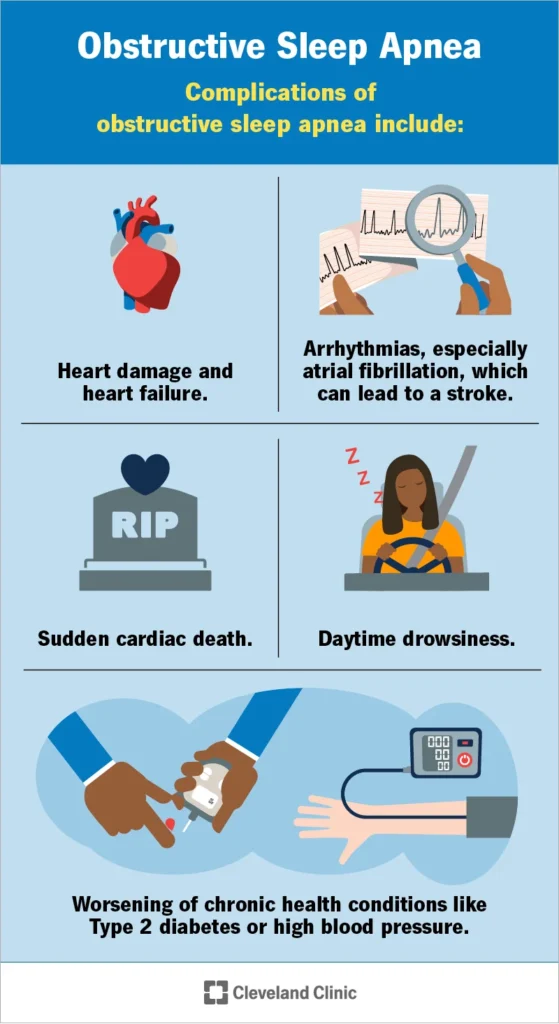
Snoring can be a sign of obstructive sleep apnea. General warning signs include loud snoring with choking or gasping, witnessed pauses in breathing, morning headaches, and heavy daytime sleepiness.
Then: talk to a clinician or a sleep specialist. A proper evaluation can protect your health and save money on the wrong fixes.
When an anti snoring mouthpiece is the right tool (and when it isn’t)
Often a good fit when:
- Snoring is worse on your back or after deep sleep.
- You wake with dry mouth (suggesting open-mouth breathing).
- Your partner reports a “throat” or “vibration” sound more than a congested nasal sound.
- You want a travel-friendly option that doesn’t require a power outlet.
May be a poor fit when:
- You suspect significant nasal blockage and can’t breathe comfortably through your nose.
- You have jaw pain, significant dental issues, or you’re prone to TMJ flare-ups.
- Sleep apnea red flags are present and you haven’t been evaluated.
Budget lens: avoid wasting a cycle (or your return window)
Most people don’t fail because they chose “the wrong category.” They fail because the setup is annoying, the feel is weird, and they quit on night three.
Keep it simple: choose one primary intervention, track two outcomes (snoring volume and morning energy), and give it a short, honest trial. Also, don’t let relationship humor hide the issue. “You sound like a chainsaw” is funny until both of you are exhausted at work.
Product option: mouthpiece + chinstrap for practical, at-home use
If you want a straightforward option designed to address mouth opening and jaw position together, consider this anti snoring mouthpiece. It’s a single purchase that can be easier than stacking multiple gadgets and guessing what helped.
FAQ: quick answers before you buy anything
Is snoring always a health problem?
No, but it can signal sleep-disordered breathing. Treat persistent snoring as a reason to pay attention, not a reason to panic.
Can I just use a sleep tracker to solve this?
Trackers can help you notice patterns, like worse nights after travel or alcohol. They don’t fix airway mechanics by themselves.
What’s a realistic goal?
Quieter nights and better mornings. “Perfect silence forever” isn’t required for meaningful sleep quality gains.
CTA: get the simple explanation, then decide
How do anti-snoring mouthpieces work?
Medical disclaimer: This article is for general education only and is not medical advice. Snoring can be a symptom of obstructive sleep apnea or other conditions. If you have breathing pauses, choking/gasping, severe daytime sleepiness, chest pain, or concerns about your health, seek evaluation from a qualified clinician.