
On a Monday morning video call, an anonymous coworker keeps their camera off. They joke about “sleeping eight hours” but looking like they got two. Later, their partner texts a meme about snoring “vibrating the whole mattress.” It’s funny until the third coffee doesn’t touch the fog.
That mix of relationship humor, travel fatigue, and workplace burnout is exactly why snoring is back in the spotlight. People want a fix that doesn’t require a drawer full of abandoned gadgets. If you’re searching for an anti snoring mouthpiece, you’re not alone.
What people are talking about right now (and why it matters)
Sleep tech is having a moment. Ring trackers, smart alarms, mouth taping chatter, and “breathing optimization” tips are everywhere. The trend is simple: people want measurable sleep, not just vibes.
At the same time, recent health coverage keeps circling back to the same point: snoring isn’t always harmless. Articles about missed signs of sleep apnea and discussions about breathing patterns are pushing more people to take nighttime breathing seriously.
Here’s the practical takeaway: it’s fine to try budget-friendly steps at home first. Just don’t ignore warning signs that suggest something bigger than “annoying snoring.”
What actually matters medically (snoring vs. sleep apnea)
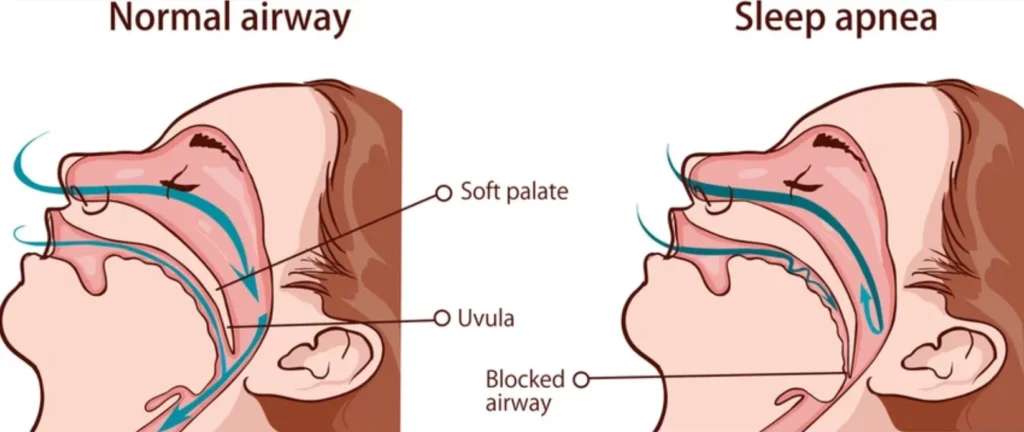
Snoring usually happens when airflow gets turbulent and soft tissues in the throat vibrate. It often gets worse when you sleep on your back, drink alcohol, or run on too little sleep.
Obstructive sleep apnea is different. It involves repeated airway blockage during sleep. Many people miss it because the signs can look like “normal tired life.” If you want a general overview of symptoms people overlook, see this 5 Signs Of Sleep Apnea That Most People Miss.
Common clues your snoring isn’t “just snoring”
- Someone notices pauses in breathing, choking, or gasping sounds
- You wake up with headaches, dry mouth, or a sore throat often
- You feel sleepy during the day despite “enough” time in bed
- You’re irritable, unfocused, or relying on caffeine to function
Medical disclaimer: This article is for general education and isn’t medical advice. Snoring can have multiple causes. If you suspect sleep apnea or another sleep disorder, a licensed clinician can guide testing and treatment.
A budget-first plan you can try at home (without gadget overload)
If you’re trying to improve sleep quality fast, start with the highest-return changes. Keep it simple for 7–14 nights so you can tell what’s working.
Step 1: Reduce “easy triggers” for a week
Pick two or three changes you can actually maintain:
- Side-sleeping (especially if snoring is worse on your back)
- Limit alcohol close to bedtime
- Set a consistent wind-down time to reduce overtired “crash” sleep
- Address nasal stuffiness with gentle, non-medicated basics (like saline rinse) if appropriate for you
Step 2: Consider a mouthpiece if your goal is quieter airflow
An anti-snoring mouthpiece is popular because it’s a one-time purchase for many households, and it doesn’t require charging, apps, or nightly data reviews. For the right person, it can reduce snoring volume and improve sleep continuity.
Some people also struggle with open-mouth breathing at night. In that case, pairing support for jaw position with a chinstrap-style accessory may help keep the mouth from falling open.
If you’re comparing options, this anti snoring mouthpiece is one example people look at when they want a bundled approach.
Step 3: Run a quick “results check” so you don’t waste a month
Use simple markers that don’t require new tech:
- Partner report: fewer nudges, fewer wake-ups
- Morning feel: less dry mouth, fewer headaches
- Daytime function: less sleepiness, better focus mid-morning
If nothing changes after a consistent trial, treat that as useful information. It may mean the cause isn’t something a mouthpiece can solve alone.
When to stop DIY and get checked
Home experiments are fine for simple snoring. Don’t delay medical help if red flags show up.
Make an appointment if you notice any of these
- Breathing pauses witnessed by a partner or recorded audio
- Gasping/choking awakenings
- High blood pressure, heart issues, or significant daytime sleepiness
- Snoring plus insomnia, mood changes, or concentration problems that are worsening
Testing can clarify whether you’re dealing with obstructive sleep apnea or another issue. That clarity saves time and money, especially if you’ve already cycled through “trending” fixes.
FAQ: quick answers before you buy or try
Do mouthpieces work for everyone who snores?
No. Snoring has different causes. Mouthpieces tend to help when airway positioning is part of the problem, but they may not solve snoring driven by other factors.
Is louder snoring always worse?
Not always, but volume can correlate with more vibration and airflow resistance. The more important question is whether breathing is disrupted and whether you’re sleepy during the day.
What’s a simple way to tell if my snoring is positional?
If it’s noticeably worse on your back and improves on your side, position likely plays a role. That’s a good sign to try side-sleep strategies alongside any mouthpiece trial.
CTA: get a clear answer in plain language
If you want the straightforward explanation before you commit to anything, start here: