
Is your snoring ruining your sleep quality? Are you seeing sleep gadgets everywhere and wondering what’s real? And is an anti snoring mouthpiece actually worth trying?
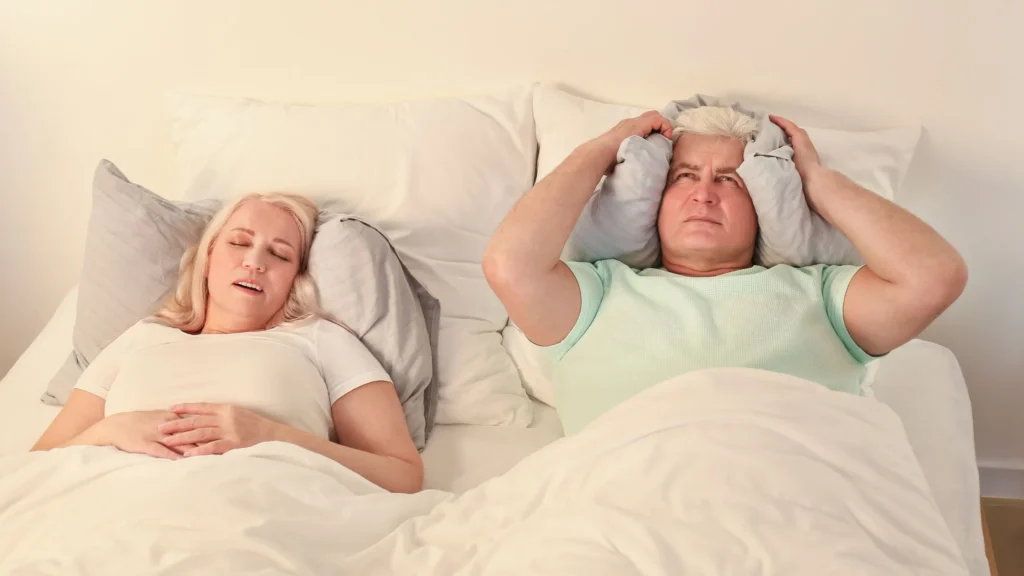
Yes, snoring can crush sleep for you and your partner. Yes, sleep tech and “biohacks” are trending hard right now. And yes, mouthpieces can help some people—if you pick the right type and use it safely.
What people are buzzing about right now (and why it matters)
Sleep is having a moment. You can’t scroll far without seeing new trackers, “smart” alarms, mouth tape debates, and nightly routines that look like a space launch checklist.
At the same time, plenty of sleep coverage keeps circling back to basics: consistent schedules, less late-night doomscrolling, and practical steps that make mornings feel less brutal. That’s not boring. It’s effective.
Snoring is also getting more public attention because it’s a relationship stressor. It’s the punchline in travel stories. It’s the reason someone ends up on the couch after a red-eye. And it’s tied to workplace burnout when sleep gets fragmented night after night.
The sleep-health reality check: what snoring can signal
Snoring happens when airflow is partially blocked and soft tissues vibrate. Sometimes it’s “simple” snoring. Sometimes it’s a clue that your breathing is being disrupted in a more serious way.
Sleep quality suffers even when you don’t fully wake up. Micro-arousals can leave you feeling wired, foggy, or irritable the next day. Your partner may get the worst of it too, which is how snoring turns into a household problem fast.
Common drivers that stack the odds toward snoring
- Sleep position: Back sleeping can worsen airway collapse for many people.
- Nasal congestion: Allergies, colds, or chronic stuffiness can increase mouth breathing.
- Alcohol or sedatives: These can relax airway muscles and intensify snoring.
- Weight changes: Even modest shifts can affect airway space in some people.
- Jaw/tongue anatomy: A retruded jaw or tongue position can narrow airflow.
Important: If snoring comes with choking, gasping, witnessed pauses in breathing, or significant daytime sleepiness, treat that as a medical flag. Don’t “DIY” your way past it.
What you can try at home (simple, not trendy)
You don’t need a perfect routine. You need a repeatable one. Use this as a quick test plan for the next 7 nights.
1) Stop the scroll spiral before it steals your bedtime
If your phone keeps pushing bedtime later, set a hard cutoff. Put the charger across the room. Make the “default” action a book, a shower, or a low-stimulation playlist.
2) Make the room snore-friendly
- Side-sleeping can reduce snoring for many people.
- Consider elevating the head of the bed slightly if reflux or congestion is a factor.
- Keep the room cool and dark so small awakenings don’t turn into full wake-ups.
3) Address the nose (when congestion is the driver)
When you can breathe through your nose, you’re less likely to mouth-breathe and vibrate tissues. Simple steps like managing allergies, avoiding irritants, or using clinician-approved options can help.
4) Where an anti snoring mouthpiece fits
An anti snoring mouthpiece is often designed to improve airflow by adjusting jaw or tongue position during sleep. That can reduce tissue vibration for certain snoring patterns.
Two practical tips:
- Prioritize fit and comfort: A device you can’t tolerate won’t help, even if it’s “top rated.”
- Track outcomes: Note snoring volume (partner feedback), wake-ups, dry mouth, and morning jaw comfort.
If you’re comparing options, here’s a relevant product style many people look for: anti snoring mouthpiece.
When it’s time to stop guessing and get help
Snoring is common. Persistent, disruptive snoring is not something you have to normalize.
Get evaluated sooner if you notice:
- Breathing pauses, choking, or gasping during sleep
- Morning headaches or high blood pressure concerns
- Severe daytime sleepiness, drowsy driving risk, or concentration problems
- Snoring that escalates quickly after a health change
Also consider a professional opinion if an over-the-counter mouthpiece causes ongoing jaw pain, tooth pain, or bite changes.
What experts keep emphasizing about better sleep
Even with all the gadgets, the core advice stays surprisingly consistent: protect your sleep window, reduce late-night stimulation, and build habits you can repeat when life gets messy.
If you want a general reference point on what sleep experts discuss in the news, see: Expert shares tips on getting better sleep.
FAQ: quick answers before you buy anything
Will a mouthpiece help if my snoring is from a cold?
Maybe, but congestion often needs its own solution first. If nasal blockage is the main issue, focusing on breathing comfort may deliver more relief.
Is a “best of” list enough to choose a mouthpiece?
Use lists as a starting point, not a verdict. Your anatomy, comfort tolerance, and symptoms matter more than a ranking.
How do I know if my sleep quality is improving?
Look for fewer awakenings, less dry mouth, better morning energy, and fewer partner complaints. A simple sleep log beats guessing.
CTA: make tonight quieter (without making it complicated)
If snoring is the nightly headline in your bedroom, start with the basics, then test one targeted tool at a time. Mouthpieces can be a practical step when fit and safety are taken seriously.
How do anti-snoring mouthpieces work?
Medical disclaimer: This article is for general information only and is not medical advice. Snoring can be a symptom of obstructive sleep apnea or other conditions. If you have choking/gasping, breathing pauses, significant daytime sleepiness, chest pain, or worsening symptoms, seek evaluation from a qualified clinician.