
Myth: Snoring is just a loud habit—and if you buy the right gadget, it disappears.
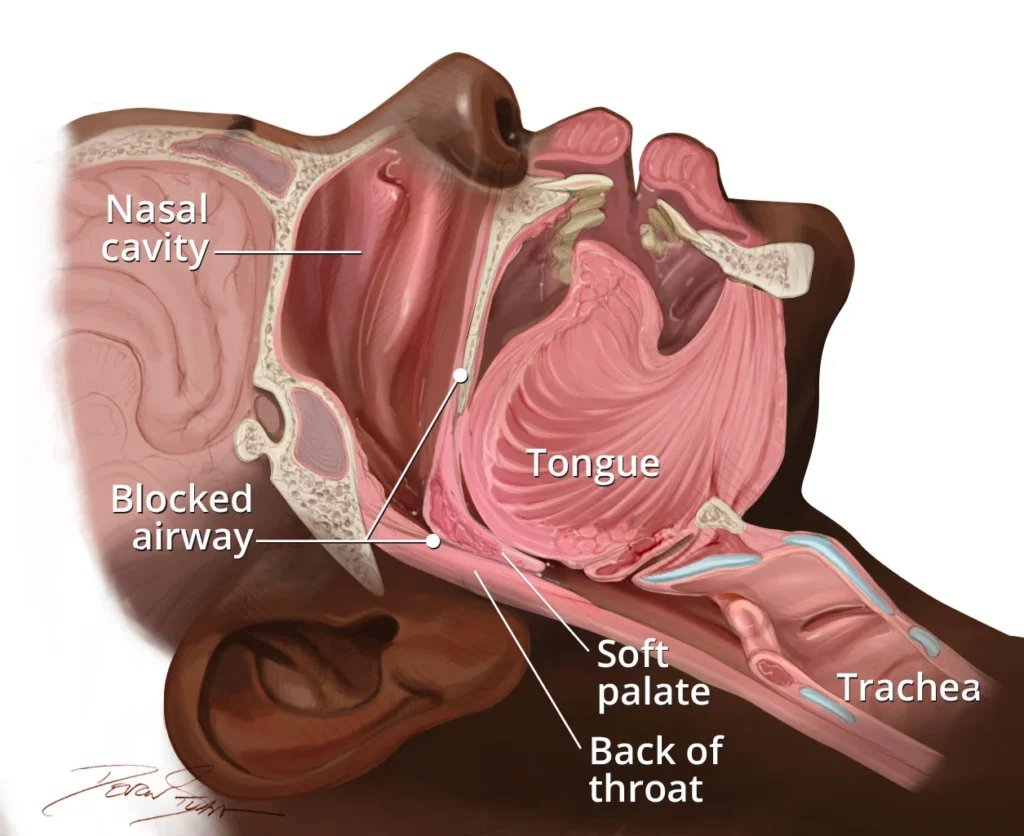
Reality: Snoring is usually a signal that airflow is getting turbulent during sleep. Sometimes a simple change helps. Other times it’s a sign you should screen for a bigger sleep-breathing problem.
Right now, sleep is having a cultural moment. People are swapping sleep trackers, blackout masks, and “wind-down” apps. They’re also talking more openly about travel fatigue, workplace burnout, and the relationship comedy of “who woke who up.” In that mix, the anti snoring mouthpiece keeps coming up because it’s practical, low-tech, and often cheaper than a drawer full of gadgets.
Why is snoring suddenly such a big conversation again?
Two things are happening at once. First, more people are paying attention to sleep quality, not just sleep hours. Second, headlines keep pointing back to sleep and breathing health, including dental approaches that focus on airway and breathing.
That doesn’t mean every snorer needs a dental device. It does mean snoring is worth taking seriously, especially if it’s new, getting worse, or paired with daytime symptoms.
If you want a general example of how airway-focused dentistry is being discussed, see Creative Smiles Dentistry Advances Airway Dentistry to Address Sleep and Breathing Health in Tucson.
What does an anti snoring mouthpiece actually do?
Most anti-snoring mouthpieces aim to reduce the vibration that creates snoring by improving airflow. They typically do this in one of two ways:
- Jaw-positioning (mandibular advancement) designs: hold the lower jaw slightly forward to help keep the airway more open.
- Tongue-positioning designs: encourage the tongue to stay forward so it doesn’t fall back and narrow airflow.
Either way, the goal is the same: less airway narrowing, less vibration, and quieter sleep. Comfort matters because a device that lives on the nightstand won’t help your sleep quality.
How do I know if a mouthpiece is a reasonable next step?
Use a simple screening mindset. You’re not trying to self-diagnose. You’re deciding whether to try a conservative tool or to prioritize a medical evaluation first.
Green-light signs (often reasonable to try)
- Snoring is positional (worse on your back).
- You wake up mostly refreshed, but your partner complains about noise.
- No regular choking or gasping reported.
- You want a travel-friendly option for hotel rooms, red-eyes, or jet lag weeks.
Yellow/red flags (screen before you “hack” it)
- Loud snoring plus gasping, choking, or witnessed breathing pauses.
- Morning headaches, significant daytime sleepiness, or concentration issues.
- High blood pressure or other cardiometabolic risk factors (talk to a clinician).
- Snoring that is new and escalating fast.
These don’t prove you have a condition, but they raise the stakes. A mouthpiece may still be part of the plan, yet screening helps you avoid delaying care.
What should I look for so I don’t waste money (or risk my teeth)?
Sleep products are everywhere right now, and “viral” doesn’t equal “safe.” Use these checkpoints to document a sensible choice.
Fit and materials
Look for a design that clearly explains how it fits and how you adjust it. Avoid anything that feels sharp, unstable, or forces your bite aggressively. If you have dental work, gum issues, or TMJ history, consider asking a dentist before you commit.
Comfort signals you should track
- Jaw soreness beyond mild, temporary adjustment
- Tooth sensitivity or shifting bite feel
- Mouth dryness that disrupts sleep
- Headaches that start after device use
Write it down for a week. If problems grow, stop and get guidance.
Cleaning and infection-risk basics
Your mouthpiece is a personal medical-adjacent item. Treat it like one. Clean it as directed, let it dry fully, and store it in a ventilated case. Don’t share it. Replace it if it cracks, warps, or starts to smell even after cleaning.
Can a mouthpiece help sleep quality beyond “being quieter”?
It can, because sleep quality is social and physiological. Less snoring can mean fewer wake-ups for you or your partner. That matters for mood, patience, and next-day energy—especially during high-stress seasons when burnout is already pushing people to the edge.
Still, snoring volume isn’t the only metric. Track outcomes that reflect real rest:
- Morning alertness
- Fewer nighttime awakenings
- Partner-reported improvement
- Less dry mouth or sore throat (if that was part of your pattern)
What if my partner jokes about it—but I’m worried?
Relationship humor is common here because snoring is awkward. Keep it simple: frame it as a shared sleep problem, not a personal flaw. Then agree on a two-week “test plan” with a backup plan for screening if red flags show up.
That approach reduces conflict and helps you make decisions based on results, not frustration.
Which product type do people pair with a mouthpiece right now?
A common combo is a mouthpiece plus a chinstrap for people who struggle with mouth opening at night. If you’re comparing options, here’s a relevant example: anti snoring mouthpiece. Use product details and fit guidance to decide whether that style matches your needs.
FAQ: quick answers people want before trying anything
Is it okay to use a mouthpiece every night?
Many people do, but comfort and dental health come first. If you notice jaw pain, bite changes, or worsening sleep, stop and ask a professional.
Will a mouthpiece cure sleep apnea?
A consumer mouthpiece is not a cure. Sleep apnea needs proper screening and a plan tailored to you.
What if I also use sleep gadgets like trackers?
That’s fine. Treat trackers as trend data, not a diagnosis. Focus on how you feel and whether symptoms improve.
Next step: choose a simple plan and document it
If you’re trying an anti-snoring mouthpiece, set a short trial window (like 10–14 nights). Track comfort, partner feedback, and daytime energy. If red flags show up, prioritize screening.
How do anti-snoring mouthpieces work?
Medical disclaimer: This article is for general information only and is not medical advice. Snoring can have many causes, including sleep-disordered breathing. If you have choking/gasping, witnessed breathing pauses, significant daytime sleepiness, or concerns about your heart or breathing, seek evaluation from a qualified clinician or dentist trained in sleep-related breathing issues.