
- Snoring is a sleep-quality problem, not just a “sound problem.”
- Fit beats hype: an anti snoring mouthpiece only helps if it’s comfortable and stable.
- Nasal airflow matters, especially when travel, dry hotel air, or seasonal stuffiness pushes mouth breathing.
- Timing is a tool: the right bedtime window and a consistent wind-down can reduce “wired but tired” nights.
- Small cleanup steps keep mouthpieces fresher, longer, and easier to stick with.
Overview: Why snoring is suddenly everyone’s favorite sleep topic
Sleep gadgets are having a moment. So are wearable scores, smart alarms, and “biohacker” talk about performance. But plenty of people are chasing a simpler win: fewer snores, fewer wake-ups, and less relationship side-eye at 2 a.m.
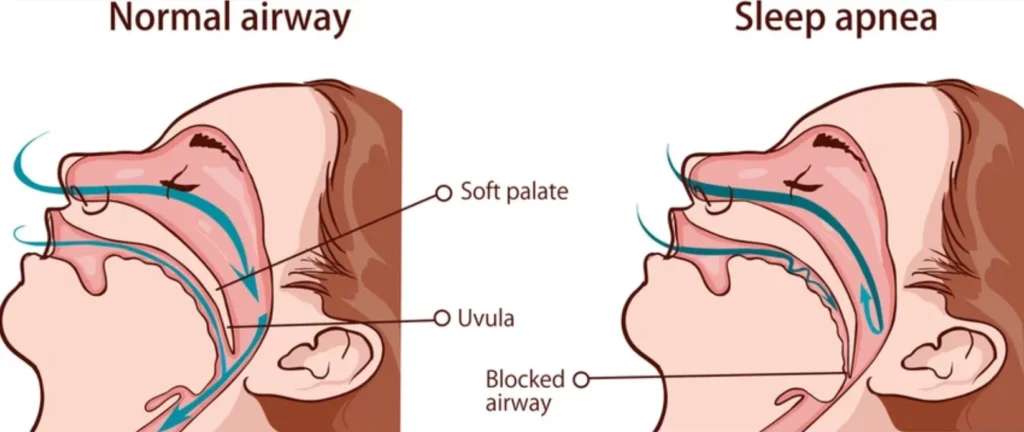
Recent sleep conversations keep circling back to breathing. Some articles emphasize the nose as a performance lever. Others highlight practical sleep coaching and morning routines. The takeaway is straightforward: breathing, timing, and comfort all stack together.
If your snoring is linked to jaw position or mouth breathing, an anti snoring mouthpiece may be a useful piece of the stack. It’s not magic. It’s a tool.
Timing: When to test changes so you can tell what’s working
People often “fix” snoring by trying five things at once. Then they can’t tell what helped. Use timing like a lab protocol, not a vibe.
Pick a 10–14 day test window
Give one main change (like a mouthpiece) enough nights to settle. Your first few nights may feel odd. That’s normal for new oral appliances.
Don’t “sleep in” to compensate
Staying in bed longer can backfire for some people. It may blur your sleep drive and make the next night harder. Instead, aim for a consistent wake time, then adjust bedtime gradually.
Watch for travel fatigue and burnout spillover
Work stress and travel can ramp up lighter sleep and congestion. Dry cabin air and hotel HVAC can also push mouth breathing. Plan your trial when your schedule is relatively stable, if you can.
Supplies: What to have ready before night one
- Mouthpiece + case: keep it protected and easy to find.
- Basic cleaning kit: soft toothbrush and mild soap (or cleaner made for oral appliances).
- Optional nose support: saline rinse/spray, humidifier, or nasal strips if you tend to clog up at night.
- Notes app: track snoring reports, wake-ups, and comfort in 20 seconds each morning.
Breathing through your nose is a recurring theme in sleep and performance coverage lately. If you want a general read on that idea, check Could Your Nose Be Key to Better Performance?.
Step-by-step (ICI): Install, Comfort-check, Improve, then clean up
Use this ICI loop for the first two weeks. It keeps things simple and prevents the “drawer of failed sleep gadgets” outcome.
I = Install (set up for stability)
Start with the mouthpiece fitted as directed by the manufacturer. The goal is a secure feel without aggressive pressure.
- Seat it fully so it doesn’t shift when you relax your jaw.
- Test your lips closed and breathe gently through your nose if possible.
- Pairing option: some people like added support to reduce mouth opening. If that’s you, consider an anti snoring mouthpiece.
C = Comfort-check (2 minutes before lights out)
Comfort is the make-or-break variable. Do a quick check while you’re still awake enough to adjust.
- Jaw feel: you want “held,” not “strained.”
- Hot spots: any sharp edge or rubbing will become a 3 a.m. problem.
- Saliva/dryness: both can happen early on. Hydrate earlier in the evening and keep your room air comfortable.
I = Improve (change one thing at a time)
If the first nights are rough, don’t abandon the plan. Make one small tweak per 2–3 nights.
- If you wake up with jaw soreness: reduce intensity (when adjustable) and focus on a relaxed wind-down.
- If you keep mouth-breathing: support nasal comfort. Congestion often drives the open-mouth pattern.
- If your partner still hears snoring: note sleep position, alcohol timing, and whether you were extra exhausted. Those are common amplifiers.
Cleanup (fast, so you’ll actually do it)
Rinse after use, then brush gently with mild soap. Let it air-dry in its case. Skip harsh cleaners unless the product instructions say they’re safe.
Mistakes that derail results (and how to avoid them)
Chasing “perfect” with too many gadgets
It’s tempting to add a tracker, a new pillow, tape, strips, sprays, and a mouthpiece in one night. That makes troubleshooting impossible. Keep your experiment clean.
Ignoring nasal congestion
If your nose is blocked, you’ll default to mouth breathing. General sleep coverage has even pointed out simple saline use as a helpful step for some people in some contexts. Keep it basic and consistent, and talk to a clinician if symptoms persist.
Assuming snoring is harmless
Snoring can be benign, but it can also overlap with sleep-disordered breathing. If there are breathing pauses, choking/gasping, or heavy daytime sleepiness, get checked.
Wearing discomfort like a badge of honor
“No pain, no gain” belongs in the gym, not your mouth. Discomfort reduces adherence, and adherence is what improves nights over time.
FAQ
Is an anti snoring mouthpiece the same as a night guard?
No. Night guards mainly protect teeth from grinding. Anti-snoring mouthpieces are designed to influence jaw or tongue position to reduce airway collapse and vibration.
Can I use a mouthpiece if I have dental work?
Sometimes, but it depends on your specific situation. If you have crowns, implants, loose teeth, or jaw pain, ask a dentist before using an oral appliance.
What’s the easiest way to tell if it’s helping?
Use a simple checklist: partner report, number of wake-ups, morning dryness, and how refreshed you feel. Keep notes for two weeks.
CTA: Make your next night a controlled test, not a guessing game
If you’re ready to try a practical tool that fits into a simple routine, start here and keep the plan steady for 10–14 nights.
How do anti-snoring mouthpieces work?
Medical disclaimer: This article is for general education only and is not medical advice. It does not diagnose, treat, or replace care from a qualified clinician. If you suspect sleep apnea or have severe symptoms (gasping, breathing pauses, chest pain, or significant daytime sleepiness), seek medical evaluation.