
Snoring is having a moment. Not the cute kind, either.
Between sleep gadgets, travel fatigue, and burnout, people want fast fixes. That’s why trends like mouth taping keep popping up in feeds.
Here’s the real play: protect airflow, improve sleep quality, and choose tools that match your snoring pattern—starting with an anti snoring mouthpiece when it fits.
What people are talking about right now (and why)
Sleep has turned into a hobby. Wearables score your “readiness,” influencers test new hacks, and couples negotiate bedtime like it’s a treaty.
Recent coverage has also pushed one message into the spotlight: be careful with mouth taping at night. The idea sounds simple—keep your mouth closed, stop snoring—but bodies are not that simple.
Some headlines also float possible links between snoring and factors like vitamin levels. Take those as prompts to check overall health, not as a one-step cure.
Meanwhile, the anti-snoring device market keeps expanding. That’s not automatically good or bad. It just means you need a filter for what’s hype and what’s practical.
A quick reality check on “viral fixes”
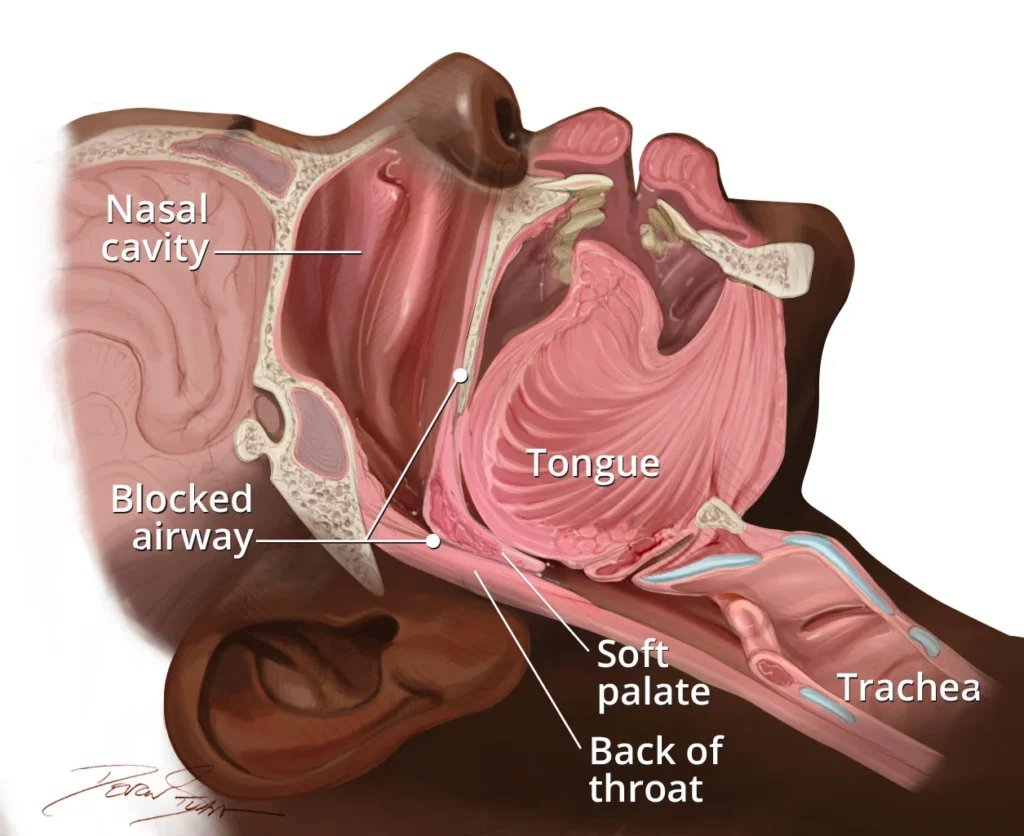
Snoring can come from the nose, the soft palate, the tongue, or the jaw position. A hack that helps one person can be useless—or risky—for another.
If you’re tempted by tape, read a clinician-informed overview first. Here’s a helpful reference: Why Doctors Say You Shouldn’t Tape Your Mouth Shut at Night.
What matters medically for sleep quality (keep it simple)
Snoring is noise from vibration. The vibration usually means airflow is meeting resistance.
That resistance can show up as dry mouth, frequent wake-ups, or the “I slept 8 hours but feel wrecked” problem that fuels workplace burnout.
Also important: sometimes snoring overlaps with sleep apnea. That’s when breathing repeatedly stops or becomes very shallow during sleep. You can’t diagnose that from a video clip or a partner’s joke about “chainsaw mode.”
Why airflow beats willpower
If your nose is congested, forcing your mouth shut can backfire. If your airway collapses when you relax, tape won’t solve the core issue.
A better approach is to pick an intervention that supports breathing. For many snorers, that means positioning, nasal support, or an oral device designed for snoring.
How to try at home: a practical snoring plan
Use this order. It’s fast, low-drama, and easy to track.
1) Run a 7-night baseline
Don’t change anything for a week. Note bedtime, alcohol, congestion, and sleep position.
If you can, record a short audio clip or use a snore-tracking app. You’re looking for patterns, not perfection.
2) Fix the “airflow blockers” first
Address nasal stuffiness with simple steps like a shower before bed or a saline rinse if you tolerate it. Keep the bedroom cool and reduce irritants.
If travel fatigue is part of your life, plan for jet lag nights. Dry hotel air and unfamiliar pillows can make snoring louder.
3) Try positioning that actually sticks
Back-sleeping often makes snoring worse. Side-sleeping can help, but only if you stay there.
Use a body pillow or a backpack-style positional trick if needed. Comfort matters because discomfort wakes you up and tanks sleep quality.
4) Consider an anti snoring mouthpiece (tools + technique)
An anti-snoring mouthpiece is meant to reduce airway obstruction by changing oral positioning during sleep. Many designs work by gently moving the lower jaw forward or stabilizing the tongue.
Fit and routine decide whether it helps. Focus on these basics:
- Comfort: Start with shorter wear time to adapt. If you dread putting it in, you won’t use it consistently.
- Positioning: A small adjustment can change results. Avoid “crank it forward” thinking, which can cause soreness.
- Cleanup: Rinse, brush gently, and let it dry. A clean device is easier to tolerate and less likely to smell.
If you’re comparing options, start here: anti snoring mouthpiece.
When to stop experimenting and get help
Get medical guidance if you have loud snoring plus choking/gasping, witnessed breathing pauses, or severe daytime sleepiness. Those are common reasons clinicians evaluate for sleep apnea.
Also seek help if you wake with chest pain, have uncontrolled high blood pressure, or if snoring started suddenly with other symptoms.
If you have jaw pain, loose teeth, or significant dental work, check with a dental professional before using an oral device. Your bite and comfort matter.
FAQ: quick answers people want
Do anti-snoring mouthpieces stop snoring completely?
They can reduce snoring for many people, but results vary by anatomy, sleep position, congestion, and fit. Expect improvement, not a guaranteed “off switch.”
Is mouth taping a safe snoring fix?
It’s a popular trend, but many clinicians urge caution because blocking an easy escape route for airflow can be risky if your nose is congested or you have sleep-disordered breathing.
What’s the difference between a mouthpiece and a CPAP?
A mouthpiece aims to improve airflow by changing jaw or tongue position. CPAP treats sleep apnea by delivering pressurized air and is typically prescribed after evaluation.
How long does it take to get used to an anti-snoring mouthpiece?
Many people adapt over several nights to a couple of weeks. Starting with short wear time and gradual adjustment can help comfort.
How do I clean an anti-snoring mouthpiece?
Rinse after use, brush gently with mild soap, and let it air-dry. Avoid harsh cleaners or hot water unless the product instructions say it’s safe.
Next step: make the easy choice the consistent choice
Snoring fixes fail when they’re annoying, complicated, or uncomfortable. Pick one change, run it for two weeks, and judge it on sleep quality—not just volume.
How do anti-snoring mouthpieces work?
Medical disclaimer: This article is for general education only and is not medical advice. Snoring can be a sign of sleep apnea or other health issues. If you have concerning symptoms or persistent sleep problems, consult a qualified clinician.