
Myth: Snoring is just background noise, and your partner should “get used to it.”
Reality: Snoring can wreck sleep quality for two people at once, and the tension spills into mornings, meetings, and everything in between.
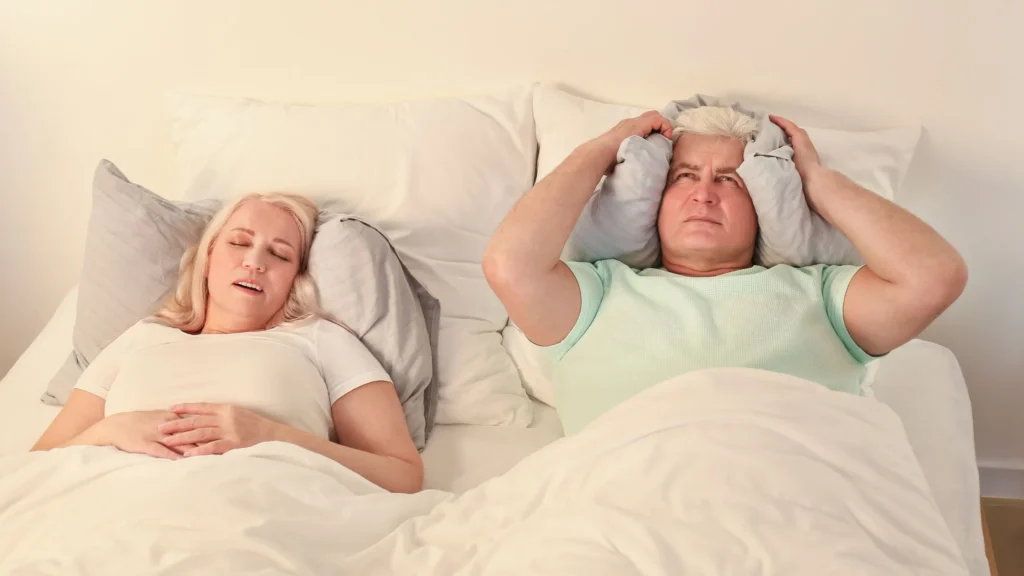
Right now, sleep is having a moment. People are buying wearables, trying quick “fall asleep faster” routines, and swapping travel-fatigue survival tips. Meanwhile, couples keep running into the same problem: one person snores, the other person lies awake doing mental math about how many hours are left until the alarm.
This guide keeps it practical. We’ll cover what people are talking about, where an anti snoring mouthpiece fits, and how to make a plan that doesn’t turn bedtime into a debate.
Why is snoring suddenly a bigger deal for sleep quality?
It’s not that snoring is new. It’s that people are less willing to accept bad sleep as “normal.” Burnout culture, earlier meetings, and always-on screens raise the stakes. One noisy night can snowball into brain fog, irritability, and a shorter fuse.
Snoring also hits relationships in a specific way. The non-snoring partner may feel ignored (“You can sleep through anything”), while the snorer feels blamed for something they’re not choosing. That mismatch creates pressure, not teamwork.
What’s trending: sleep gadgets vs. sleep fundamentals
Headlines and social feeds bounce between two extremes: quick hacks and deeper habit resets. You’ll see tips about calming your mind, timing light exposure, tightening sleep hygiene, and building sleep drive. Those are useful for insomnia-style issues.
Snoring is different. If the sound comes from airway vibration, you usually need a snoring-specific solution, not just a faster wind-down routine.
What should we try first if snoring is the main problem?
Start with low-drama steps that reduce friction at home. The goal is fewer wake-ups, not winning an argument.
- Get clear on the pattern. Is it every night or only after alcohol, allergies, or back-sleeping? A simple recording can help.
- Talk about impact, not blame. Use “I’m not sleeping” instead of “You keep snoring.”
- Protect the bedroom vibe. If travel fatigue or stress makes it worse, treat those weeks as “high risk” and plan ahead.
If you want a general starting point that matches what people are reading right now, see this coverage on Here are five behavioral and psychological tips for a fresh start toward better sleep in the new year, spanning five categories — sleep drive, circadian rhythm, sleep hygiene, overthinking and pre-bed activity. https://wapo.st/3MQgP1D.
When does an anti snoring mouthpiece make sense?
If your main complaint is snoring noise (especially when sleeping on your back), a mouthpiece is one of the most common at-home options people consider. It’s also showing up more in the broader “connected care” conversation, where oral appliances and sleep tracking are getting more attention.
A mouthpiece can be a good fit when you want something you can use nightly, you prefer a non-medication approach, and you’re willing to dial in comfort and fit.
What results should you realistically expect?
Think in terms of trends, not perfection. Many couples aim for “quieter and fewer wake-ups,” not “silent forever.” Track:
- How often your partner wakes up
- How you feel in the morning (dry mouth, headaches, grogginess)
- Whether snoring is softer, shorter, or less frequent
How do you choose a mouthpiece without falling for hype?
Sleep marketing is loud right now. Every week there’s a new device, app, or “expert-approved” trick. Keep your checklist simple so you don’t end up with a drawer full of regret.
Look for comfort, adjustability, and consistency
If it’s painful or bulky, you won’t wear it. If you only use it once a week, you won’t know if it works. Consistency beats novelty.
Plan for an adjustment period
Your mouth and jaw may need time to adapt. Start on a low-stakes night if you can (not the night before a big presentation). Then reassess after several nights, not one.
If you’re comparing options, here are anti snoring mouthpiece to review in one place.
What are the red flags that mean “don’t DIY this”?
Snoring can be simple, but it can also be a sign of something bigger. If you notice breathing pauses, choking or gasping, severe daytime sleepiness, or high blood pressure concerns, it’s worth discussing with a clinician. Many people start by reading about sleep apnea symptoms and causes, then bring those notes to an appointment.
Medical disclaimer: This article is for general education and does not diagnose, treat, or replace medical advice. If you suspect sleep apnea or have severe symptoms, seek evaluation from a qualified healthcare professional.
How do we talk about snoring without turning it into a fight?
Use a “shared problem” script. You’re not debating whether the snoring is real. You’re solving for better sleep in the same home.
- Set a goal you both want: “Let’s get us both to a better morning.”
- Pick a trial window: “Let’s test one change for two weeks.”
- Agree on the scoreboard: fewer wake-ups, less resentment, better energy.
FAQ: quick answers people keep searching
Is snoring worse when you’re stressed or traveling?
It can be. Stress, irregular schedules, and travel fatigue can disrupt sleep and make snoring feel more noticeable in a shared room.
Can a mouthpiece replace healthy sleep habits?
No. A mouthpiece targets snoring mechanics. Sleep habits still matter for overall sleep quality and how rested you feel.
What if my partner says the mouthpiece looks “ridiculous”?
Make it a team decision. The goal is quiet sleep, not aesthetics. A little relationship humor can help, but keep the focus on results.
Ready to make bedtime quieter?