
Five fast takeaways before you buy anything:
- Snoring “hacks” are trending, but not all are low-risk—especially mouth taping.
- Sleep quality is more than noise. It’s oxygen, continuity, and how you feel the next day.
- An anti snoring mouthpiece is about jaw position, comfort, and consistency—not brute force.
- Travel fatigue, burnout, and new sleep gadgets can amplify snoring by changing routine and congestion.
- If you suspect sleep apnea, don’t self-treat. Get screened and use the right tool for the job.
What people are talking about right now (and why)
Sleep is having a moment. Wearables score your “readiness.” Smart rings rate your recovery. Social feeds push quick fixes for everything from mouth breathing to “perfect” morning routines.
In that swirl, one idea keeps popping up: taping your mouth at night. It sounds simple. It also raises safety questions, which is why doctors have cautioned against making it your DIY solution.
Snoring is also getting more airtime because of real-life pressure. Business travel is back for many people, and hotel-room air can feel dry. Couples joke about “sleep divorce,” but the frustration is real. Workplace burnout makes light sleep feel even worse, because you can’t afford another foggy morning.
If you want a practical path, focus on tools and technique. That means fit, positioning, and cleanup—not viral stunts.
What matters medically (snoring vs. sleep apnea)
Snoring happens when soft tissues in your upper airway vibrate as you breathe. It can be annoying and still be “simple snoring.” It can also be a sign of a bigger issue, including obstructive sleep apnea.
Sleep apnea is not just loud breathing. It’s repeated airway narrowing or blockage during sleep. That can disrupt sleep architecture and strain the body over time.
One more nuance: even with CPAP therapy, some people still snore. That can happen for several reasons, including mouth leaks, poor mask fit, or settings that need review. If you’re using CPAP and snoring continues, don’t guess—bring it up with your sleep team.
Also, kids are different. Some recent reporting has discussed saline nasal spray and sleep-related breathing symptoms in children. That doesn’t mean adults should copy-paste the idea. It does highlight a broader point: nasal comfort and airflow can matter.
Why “just tape it shut” is a risky shortcut
Mouth taping gets framed as “training” yourself to breathe through your nose. The problem is that not everyone has clear nasal airflow at night. Allergies, a deviated septum, colds, and dry travel air can all change the equation.
If you can’t breathe well through your nose and you block the mouth, you may create a bad situation fast. That’s why medical voices have urged caution.
If you want to read the discussion in the news, here’s a helpful starting point: Why Doctors Say You Shouldn’t Tape Your Mouth Shut at Night.
How to try at home (without turning sleep into a science project)
Home experimentation should stay in the “low risk, reversible” lane. The goal is fewer disruptions and better mornings, not a perfect score on an app.
Step 1: Do a quick snoring inventory
Keep it simple for 7 nights:
- Timing: Did snoring show up after alcohol, a late meal, or an exhausting day?
- Position: Back sleeping often makes snoring louder.
- Nasal status: Congested or clear?
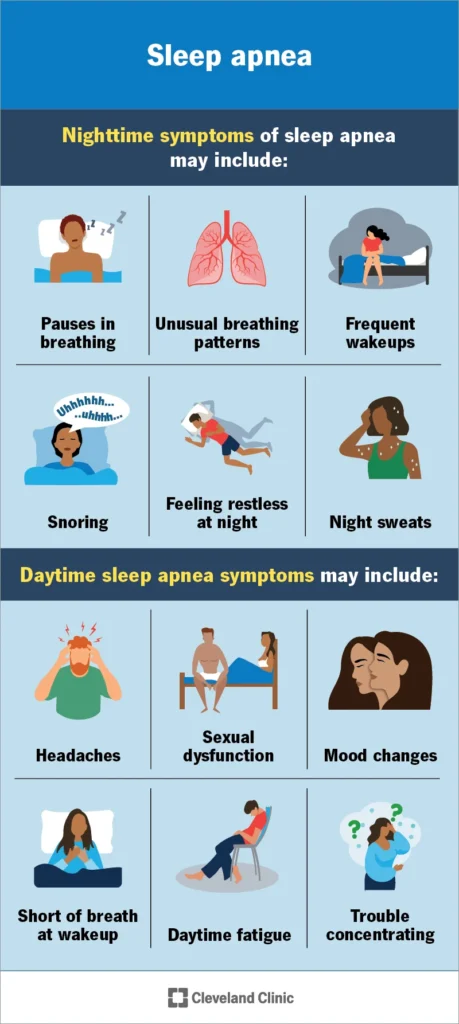
- Daytime impact: Morning headaches, dry mouth, or heavy sleepiness?
This helps you decide whether you’re dealing with a situational flare or a consistent pattern.
Step 2: Fix the easy “sleep quality thieves” first
These aren’t glamorous, but they’re common snoring amplifiers:
- Side-sleep support: A body pillow or a backpack-style positional aid can reduce back-sleep time.
- Wind-down buffer: Even 20 minutes away from work chat and doomscrolling can reduce that wired-but-tired feeling.
- Bedroom air: Dry air can irritate the nose and throat. Consider humidity and hydration.
Step 3: Where an anti snoring mouthpiece fits
An anti snoring mouthpiece (often a mandibular advancement-style device) aims to hold the lower jaw slightly forward. That can help keep the airway more open for some people, which may reduce snoring vibrations.
Think of it like stabilizing a tent pole. You’re not “forcing” sleep. You’re improving airway geometry enough to make breathing quieter.
If you’re shopping, start here: anti snoring mouthpiece.
Comfort + technique: ICI basics (Insert, Check, Improve)
- Insert: Put it in the same way every time. Consistency reduces sore spots.
- Check: Notice jaw tension, tooth pressure, and lip seal comfort. Stop if you feel sharp pain.
- Improve: Adjust gradually if your device allows it. Big jumps can irritate the jaw.
Also plan for cleanup. Rinse after use, brush gently, and let it dry. A funky taste is often a maintenance problem, not a “you” problem.
When to stop DIY and get help
Snoring becomes a medical conversation when it comes with red flags. Don’t try to out-hack these symptoms.
- Witnessed pauses in breathing, choking, or gasping
- Strong daytime sleepiness or drowsy driving risk
- Morning headaches or high blood pressure concerns
- Snoring that persists despite reasonable changes and consistent tool use
- CPAP users who still snore (needs troubleshooting, not guesswork)
A clinician can evaluate for sleep apnea and discuss options, which may include CPAP, oral appliances, or other targeted care based on your anatomy and sleep study results.
FAQ
Is mouth taping a safe snoring fix?
It can be risky for some people, especially with nasal blockage or possible sleep apnea. Get medical input before trying it.
Can you still snore while using CPAP?
Yes. Leaks, mask fit, and settings can contribute. Bring persistent snoring to your sleep clinician.
What does an anti snoring mouthpiece actually do?
Most designs gently position the lower jaw forward to support airflow and reduce tissue vibration in some sleepers.
How long does it take to get used to a mouthpiece?
Often a short adjustment window is normal. Focus on comfort, gradual changes, and consistent wear.
When is snoring a sign of something more serious?
Loud snoring plus breathing pauses, gasping, or significant daytime fatigue are common reasons to get screened for sleep apnea.
CTA: Start with a safer tool, not a risky trend
If your snoring is disrupting sleep quality, skip the stunt fixes. Use a tool designed for the job and track whether your mornings improve.
How do anti-snoring mouthpieces work?
Medical disclaimer: This article is for general education only and isn’t medical advice. It does not diagnose, treat, or replace care from a licensed clinician. If you suspect sleep apnea or have concerning symptoms (gasping, breathing pauses, severe daytime sleepiness), seek medical evaluation.