
On a weeknight, someone falls asleep on the couch for “just 10 minutes.” The travel pillow is still on the floor from a recent red-eye. Their partner nudges them awake with that half-joking, half-exhausted look that says, “You’re doing the chainsaw thing again.”
Snoring jokes are everywhere right now, but the tiredness behind them feels real. Between sleep gadgets, workplace burnout, and the endless scroll of “fix it tonight” hacks, it’s easy to waste money and still wake up foggy. This guide keeps it practical and budget-minded, with clear if…then choices—starting with the tool most people ask about: an anti snoring mouthpiece.
Your quick decision guide (If…then…)
If your snoring is mostly “mouth-open” snoring…then start with a mouthpiece path
If you wake with a dry mouth, your partner notices your mouth hanging open, or snoring is worse on your back, you may be dealing with tongue/jaw position during sleep. That’s the lane where a mouthpiece is often considered.
A mouthpiece is a simple at-home trial compared with pricier tech. Think of it like a low-drama “fit check” for your airway: if positioning helps, you’ll usually notice changes within a short window.
If you want a combined option, you can look at an anti snoring mouthpiece. It’s a practical way to address mouth opening while also supporting a steadier jaw position.
If your nose feels blocked at night…then test nasal support before buying more gear
If you’re congested, snore more during allergy seasons, or feel like you “can’t get air through your nose,” a mouthpiece might not be the first fix. Nasal airflow matters, and it’s getting attention in recent reviews of nasal dilators and sleep-disordered breathing.
Some people try external strips or internal dilators because they’re inexpensive and easy to test. The research conversation is still evolving, and results vary by person and product, so treat it as a simple experiment—not a promise.
For a deeper look at the topic in the news cycle, see Clinical Effectiveness of Nasal Dilators in Sleep-Disordered Breathing: A Systematic Review and Meta-Analysis.
If you’re tempted by trend hacks (like mouth taping)…then pause and pick safer basics
Sleep trends move fast. One week it’s a new wearable score. The next week it’s a “one weird trick” for snoring. Mouth taping is one of those viral ideas, and it’s not a smart fit if you don’t breathe freely through your nose.
If you want something you can do tonight without buying a cart of gadgets, try the boring wins: side-sleeping support, alcohol timing, and a consistent wind-down. These don’t sound exciting, but they’re cheap and often noticeable.
If snoring comes with daytime exhaustion…then treat it as a health signal, not just noise
Snoring can be harmless, but it can also show up alongside sleep apnea symptoms. If someone reports breathing pauses, choking/gasping, morning headaches, or you’re fighting sleepiness at your desk, don’t DIY forever.
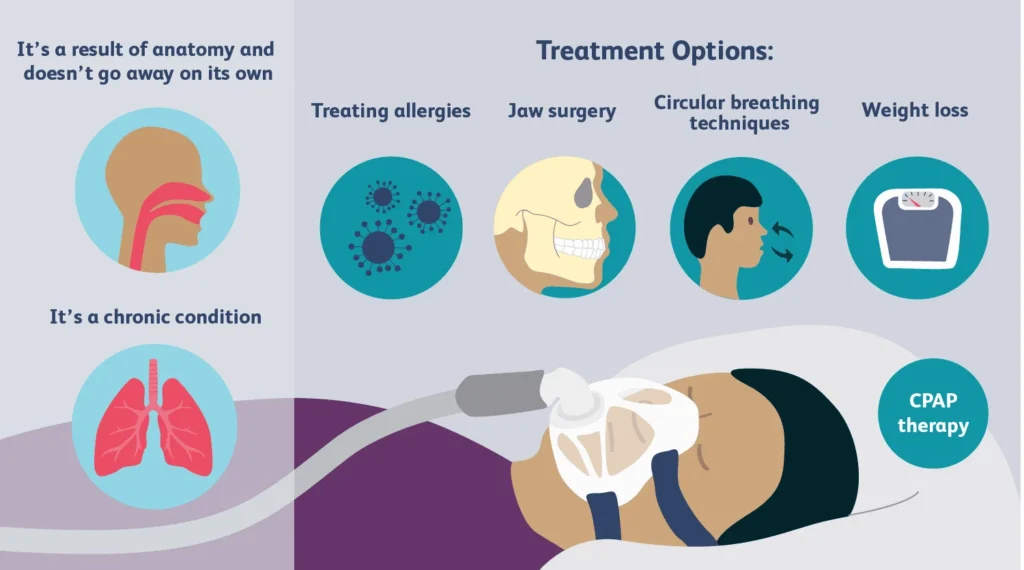
Weight changes can also influence breathing during sleep for some people, so lifestyle shifts may matter. Still, a clinician can help you sort “simple snoring” from something that needs testing and targeted treatment.
How to run a 2-week, low-waste snoring trial
Pick one variable at a time
Don’t stack five new things at once. If you change everything, you won’t know what worked. Choose one primary tool (like a mouthpiece or nasal support) and keep the rest steady.
Use a simple scorecard
Track three items: partner-reported snoring volume, how refreshed you feel, and any jaw/nose discomfort. Keep it quick. A note in your phone is enough.
Know your stop signs
Stop and get medical advice if you suspect apnea symptoms, if you feel unsafe driving due to sleepiness, or if a device causes pain that doesn’t settle. Comfort matters because consistency is the whole game.
FAQs: fast answers before you spend
Do anti-snoring mouthpieces work for everyone?
No. They tend to help when snoring is linked to jaw/tongue position, but they may not help if nasal blockage or sleep apnea is the main issue.
What’s the difference between a mouthpiece and a chinstrap?
A mouthpiece aims to change jaw/tongue position to keep the airway more open. A chinstrap mainly helps keep the mouth closed; it doesn’t reposition the jaw the same way.
Are nasal dilators worth trying?
They can be a low-cost option for people who feel “stuffy-nose” snoring. Evidence is mixed across products and people, so treat it as a trial, not a guarantee.
Is mouth taping safe for snoring?
It’s a trend, but it’s not a fit for everyone—especially if you have nasal congestion or possible sleep apnea. If you can’t breathe comfortably through your nose, skip it and talk to a clinician.
When should I get checked for sleep apnea?
Seek medical advice if you have loud habitual snoring plus choking/gasping, witnessed breathing pauses, significant daytime sleepiness, or high blood pressure.
Can weight loss affect snoring and sleep apnea?
For some people, yes. Changes in weight can influence airway narrowing, so it can be part of a broader plan alongside medical guidance and sleep habits.
Next step: choose the simplest tool you’ll actually use
If your best guess is “mouth-open snoring,” an anti-snoring mouthpiece is a reasonable place to start. It’s cheaper than most sleep gadgets, and it fits a practical, at-home test mindset.
How do anti-snoring mouthpieces work?
Medical disclaimer: This article is for general education and does not provide medical advice, diagnosis, or treatment. If you suspect sleep apnea or have severe daytime sleepiness, breathing pauses, or choking/gasping during sleep, talk with a qualified clinician.