
On the third night of a work trip, “Sam” tried to laugh it off. The hotel bed felt like a brick, the room was too dry, and the snoring was loud enough to earn a text from the next room over. Back home, it was worse—his partner had started the classic “pillow wall” routine and joked about sleeping in shifts.
That’s the snoring spiral: stress, travel fatigue, and burnout stack up, and your sleep gets thinner every night. It’s no surprise people are talking about sleep gadgets, “better rest” trends, and quick fixes. But the best results usually come from pairing basics with the right tool—like an anti snoring mouthpiece—and knowing when snoring might be more than a nuisance.
What people are talking about right now (and why it’s relatable)
Sleep coverage lately has a familiar theme: small signals that get ignored, practical tips for better sleep, and product roundups that promise a quieter night. That mix makes sense. Snoring is personal, but it’s also cultural—shared beds, open-plan apartments, early meetings, and the “always on” workday don’t leave much margin for poor sleep.
The gadget boom: helpful, but noisy
From white-noise machines to sleep trackers, the market is packed. Some tools support better habits. Others mainly create more data to worry about at 2 a.m. If your snoring is the main issue, you’ll likely do better targeting airflow than collecting more graphs.
Relationship humor with real pressure underneath
Couples joke about snoring because it’s easier than arguing at midnight. Still, repeated sleep disruption can turn into resentment fast. A plan helps. So does talking about it in daylight, not in the moment.
Burnout and “tired all the time” culture
When you’re already depleted, snoring becomes the final straw. Poor sleep quality can amplify irritability, cravings, and brain fog. You don’t need a perfect routine. You need fewer wake-ups and steadier breathing.
What matters medically (without the scare tactics)
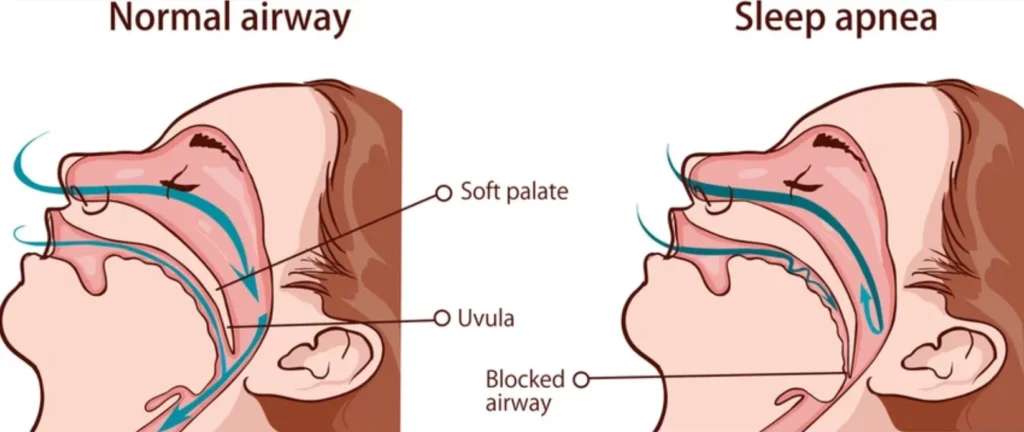
Snoring happens when airflow gets turbulent and tissues vibrate. That can be linked to sleep position, congestion, alcohol, weight changes, jaw anatomy, or stress-related sleep fragmentation.
Snoring can also overlap with sleep apnea, a condition where breathing repeatedly pauses or becomes shallow during sleep. Headlines have been highlighting “easy-to-miss” signs. The point isn’t to self-diagnose. It’s to notice patterns you shouldn’t ignore.
Snoring vs. sleep apnea: the practical distinction
- Simple snoring: loud breathing noises, often worse on the back, may improve with position changes and targeted tools.
- Possible sleep apnea: snoring plus choking/gasping, witnessed breathing pauses, or significant daytime sleepiness.
If you want a general overview of red flags, here’s a relevant read: 5 Signs Of Sleep Apnea That Most People Miss.
Why sleep quality drops even when you “slept 8 hours”
You can spend enough time in bed and still get poor rest if you’re repeatedly pulled into lighter sleep. Snoring can do that to you. It can also do it to your partner, which becomes a shared problem fast.
How to try at home (a calm, workable plan)
Start with changes that reduce friction. Then add a tool that targets the likely cause.
Step 1: Make snoring less likely tonight
- Side-sleep setup: use a supportive pillow or a simple positional cue to avoid back-sleeping.
- Cut the late alcohol window: alcohol can relax airway muscles and worsen snoring for some people.
- Unclog the basics: if you’re congested, address dryness and irritation (think humidity and gentle routines).
- Keep the room boring: cooler, darker, and quieter beats “scrolling until you drop.”
Step 2: Where an anti-snoring mouthpiece fits
An anti snoring mouthpiece is designed to improve airflow by supporting jaw and/or tongue position during sleep. For many snorers, that’s the lever that matters most. It’s also a relationship-friendly option because it targets the sound at the source.
Look for a design that prioritizes comfort and stability. If you also deal with mouth-breathing, a combo approach can be appealing. One option to review is this anti snoring mouthpiece.
Step 3: Give it a fair trial (without forcing it)
- Ease in: wear it for shorter periods at first if needed.
- Track outcomes that matter: fewer awakenings, less dry mouth, less partner disturbance, better morning energy.
- Don’t “power through” pain: soreness that doesn’t improve is a stop sign.
When to seek help (especially if your partner is worried)
Get professional guidance if any of these show up consistently:
- Choking, gasping, or witnessed breathing pauses
- Severe daytime sleepiness, morning headaches, or concentration problems
- High blood pressure concerns or significant mood changes tied to poor sleep
- Snoring that suddenly worsens without an obvious reason
If the conversation is tense, frame it as a shared goal: “Let’s protect both of our sleep.” That’s less accusatory and more effective.
FAQ: quick answers before you buy another sleep gadget
Is it normal to snore more during stressful weeks?
It can be. Stress can fragment sleep and change muscle tone and habits (like drinking later or sleeping on your back). If the pattern sticks, treat it as a signal to adjust your plan.
Can travel make snoring worse?
Yes. Dry hotel air, alcohol with dinners out, unusual pillows, and fatigue can all contribute. A consistent sleep setup helps.
What if only my partner hears the snoring?
That’s common. Consider recording audio for a night or two to confirm patterns, then decide on next steps together.
CTA: make the next night simpler
If snoring is starting to run your household, don’t rely on jokes and earplugs forever. Pick a plan, test it for a couple of weeks, and adjust based on real sleep outcomes.
How do anti-snoring mouthpieces work?
Medical disclaimer: This article is for general education only and is not medical advice. Snoring can have many causes, including conditions that require diagnosis and treatment. If you suspect sleep apnea or have concerning symptoms, seek evaluation from a qualified clinician.