
At 2:13 a.m., someone on a red-eye flight finally dozes off. Two minutes later, the snore starts—loud enough to earn a look from three rows away. By morning, the snorer feels “fine,” but their partner (and half the cabin) feels like they pulled an all-nighter.
That’s the snoring reality right now: it’s a sleep issue, a relationship joke, and a productivity problem all at once. Add travel fatigue, workplace burnout, and the endless stream of new sleep gadgets, and it’s no surprise people are hunting for a simple fix.
What’s trending: sleep tech, quick fixes, and a growing market
Snoring solutions are having a moment. You’ll see wearables that score your sleep, smart pillows that promise quieter nights, and social posts that treat “sleep optimization” like a hobby. Meanwhile, market reports keep pointing to rising demand for anti-snoring products—more people are shopping, comparing, and upgrading.
One reason is practical: snoring disrupts sleep quality for two people, not one. Another reason is cultural: daylight saving time shifts, late-night screens, and constant travel make sleep feel fragile. When rest gets shaky, people try tools.
If you want the bigger picture on where the category is headed, see this reference on Anti-Snoring Devices Market Size to Hit USD 2.94 Million by 2035.
What matters medically: why snoring can wreck sleep quality
Snoring usually happens when airflow is partially blocked and tissues in the upper airway vibrate. That vibration can spike during back-sleeping, after alcohol, with nasal congestion, or when the jaw and tongue fall backward.
Even if you don’t fully wake up, snoring can fragment sleep. Micro-arousals add up. The next day can look like brain fog, low patience, and “why is my coffee not working?” energy.
Snoring vs. sleep apnea: don’t guess
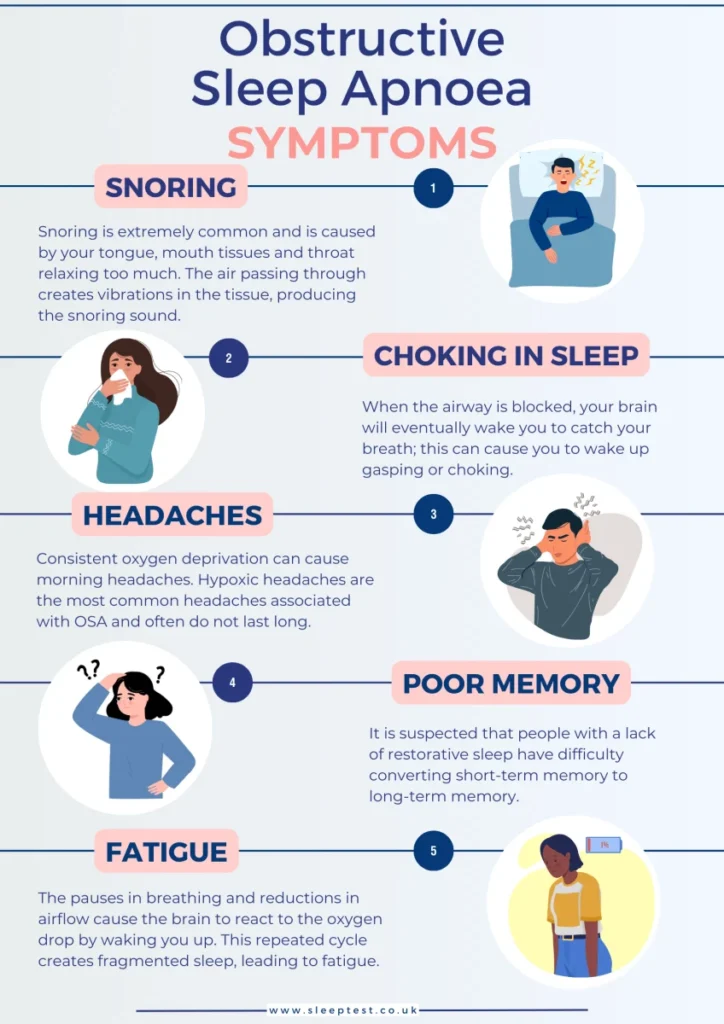
Snoring can be harmless, but it can also show up with obstructive sleep apnea (OSA). If you notice choking/gasping, witnessed breathing pauses, morning headaches, or heavy daytime sleepiness, treat that as a medical flag—not a gadget-shopping problem.
How to try at home: a practical, low-drama plan
You don’t need a laboratory mindset. You need a simple sequence that helps you learn what actually changes your snoring.
Step 1: Reduce “snore fuel” for one week
- Side-sleep when possible (back-sleeping often worsens snoring).
- Skip alcohol close to bedtime.
- Address nasal stuffiness with safe, routine measures you tolerate (saline rinse, humidity, allergy basics).
- Keep a consistent sleep window—especially around time changes and travel days.
Step 2: Consider an anti snoring mouthpiece (and know what it’s doing)
An anti snoring mouthpiece is typically designed to support the jaw in a more forward position or stabilize the mouth so the airway is less likely to narrow. The goal is less vibration, steadier airflow, and fewer sleep disruptions.
Comfort matters. Fit matters. If it hurts, you won’t use it, and it won’t help.
Step 3: Track outcomes that matter (not just noise)
- Partner report: “How many times did it wake you?”
- Your morning: dry mouth, sore jaw, headaches, grogginess.
- Daytime function: focus, mood, and that mid-afternoon crash.
If you’re comparing options, a combined approach can be appealing for some sleepers. Here’s an example of a anti snoring mouthpiece to review for features and fit style.
A note on mouth taping
Mouth taping is also trending, but it isn’t risk-free for everyone. If you have nasal obstruction, anxiety with restricted breathing, reflux concerns, or you’re not sure why you snore, be cautious. When in doubt, get clinician guidance rather than experimenting aggressively.
When to seek help: the “don’t tough it out” list
Get evaluated by a clinician or sleep specialist if any of these are true:
- Loud snoring plus choking, gasping, or witnessed pauses in breathing
- Significant daytime sleepiness or dozing off unintentionally
- High blood pressure or heart risk factors alongside snoring
- Snoring that worsens quickly, especially with weight change or new meds
- Jaw pain, tooth pain, or bite changes with any oral device
That evaluation can rule out (or diagnose) sleep apnea and point you to the right treatment, which may or may not be a mouthpiece.
FAQ: quick answers before you buy another sleep gadget
Will a mouthpiece help if I only snore when I travel?
It might. Travel can stack triggers like alcohol, back-sleeping, dry hotel air, and exhaustion. A mouthpiece may help, but also fix the basics: sleep timing, hydration, and nasal comfort.
What if my partner says the snoring is gone, but I still feel tired?
Noise isn’t the whole story. You could still have fragmented sleep from stress, schedule shifts, or a breathing disorder. If fatigue persists, consider a clinical sleep evaluation.
Is soreness normal at first?
Mild adjustment discomfort can happen with oral devices, but sharp pain, persistent jaw symptoms, or bite changes are not “push through it” situations.
CTA: make the next step simple
If snoring is stealing sleep quality in your home, start with the basics, then choose one tool to test consistently. If you want to explore options now, visit Snorple’s homepage and get a clear overview:
How do anti-snoring mouthpieces work?
Medical disclaimer: This article is for general education only and isn’t medical advice. Snoring can be a symptom of obstructive sleep apnea or other conditions. If you have choking/gasping, breathing pauses, chest pain, severe daytime sleepiness, or worsening symptoms, seek evaluation from a qualified clinician.