
Is snoring “just annoying,” or is it messing with your health?
Why does it feel worse during stressful weeks, travel, or time changes?
And is an anti snoring mouthpiece actually worth trying?
Snoring sits at the intersection of sleep quality, relationship peace, and real health concerns. Lately, the conversation has gotten louder thanks to sleep gadgets, social media “hacks,” and more headlines reminding people that obstructive sleep apnea can be underdiagnosed and linked with serious risks.
This guide keeps it practical. You’ll learn where mouthpieces fit, how to time a trial, and how to avoid common mistakes—without turning bedtime into a second job.
Overview: Why snoring feels like a bigger deal right now
People are talking about snoring more because sleep is under pressure. Work burnout, late-night screens, and “always on” schedules can leave you running on fumes. Add travel fatigue and time changes, and suddenly one person’s snore turns into two people’s bad week.
There’s also a more serious side. Snoring can be harmless, but it can also be a sign of obstructive sleep apnea for some people. If you’re curious about the broader health discussion in the news, see this related coverage: How to beat the clock: Daylight savings advice from a sleep expert.
Relationship reality check: Snoring rarely stays “just a noise.” It becomes a nightly negotiation: who sleeps where, who gets nudged, and who pretends they’re fine the next day. A good plan reduces blame and increases teamwork.
Timing: When to try a mouthpiece (and when to pause)
Pick a window when you can evaluate it fairly. If you start during a red-eye week, a cold, or right after a time change, everything feels worse—including snoring.
Good times to trial an anti-snore mouthpiece
- A normal week with a stable bedtime.
- When your nose is clear enough to breathe comfortably.
- When you can give it 7–14 nights to settle in.
Hit pause and talk to a clinician if you notice
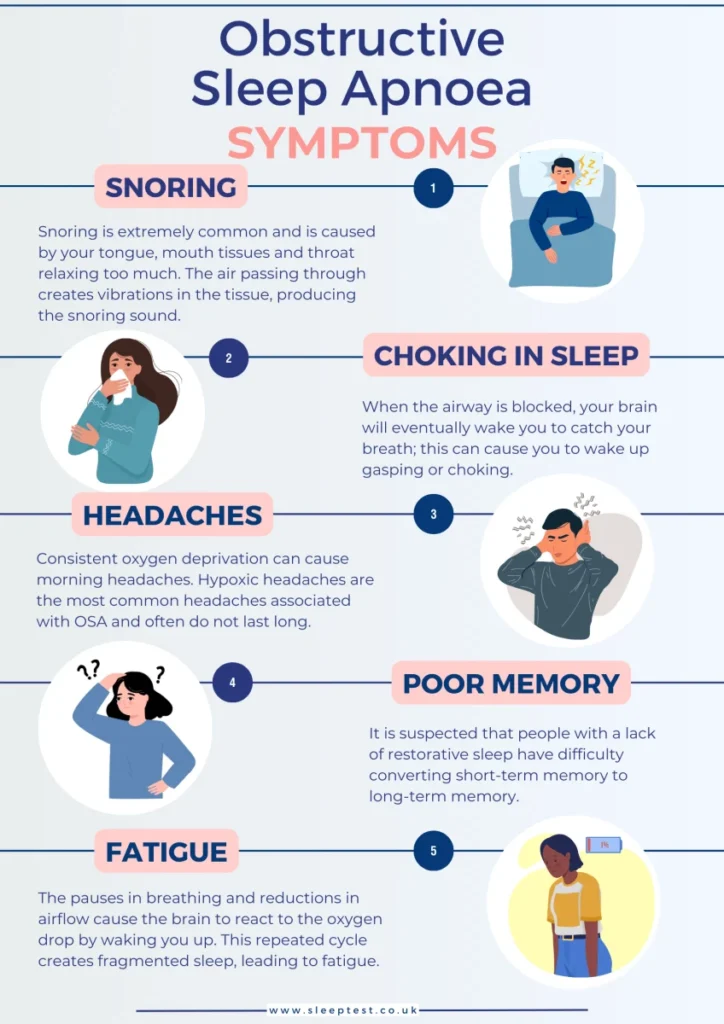
- Breathing pauses, choking/gasping, or loud snoring plus frequent awakenings.
- High daytime sleepiness, morning headaches, or mood changes that feel extreme.
- High blood pressure concerns or a history of sleep apnea in the family.
A mouthpiece can still be part of the conversation, but safety comes first. If sleep apnea is possible, proper evaluation matters.
Supplies: What you need for a calm, low-drama trial
Skip the “ten gadgets on the nightstand” approach. Most people do better with a simple setup and clear expectations.
- Your mouthpiece (and the case it comes with).
- A way to track outcomes: quick notes on your phone, a sleep app, or your partner’s 10-second rating in the morning.
- Basic comfort helpers: water at bedside, and a gentle cleaning routine for the device.
- A plan with your partner: agree on what “better” means (less noise, fewer wake-ups, fewer couch nights).
If you want a combined option, you can look at this anti snoring mouthpiece and compare it to whatever you’re considering.
Step-by-step (ICI): A simple way to test what’s working
Use an ICI method: Introduce the change, Check the results, then Iterate calmly.
1) Introduce: Start small so you actually stick with it
Wear the mouthpiece for short periods before sleep if it feels strange at first. Then use it for a full night. Aim for consistency over perfection.
2) Check: Track the outcomes that matter
Don’t obsess over one night. Look for trends across a week:
- Did your partner wake up less?
- Did you wake up with a drier mouth or less?
- Do you feel more refreshed, or less foggy mid-morning?
- Any jaw soreness that lingers into the day?
3) Iterate: Adjust the setup, not the relationship
If snoring improves but comfort isn’t there yet, tweak the controllables. Focus on fit, cleaning, and bedtime routine. Keep the tone collaborative: “Let’s test this for a week” works better than “You need to fix your snoring.”
Also remember the trend cycle. Mouth taping and other hacks get attention, but they aren’t a universal solution. If you can’t breathe well through your nose, forcing your mouth closed can backfire. Choose tools that feel safe and sustainable.
Mistakes that waste money (and patience)
Buying a device and expecting instant silence
Many people need an adjustment period. Your goal is fewer disruptions, not a movie-perfect night on day one.
Ignoring red flags because it’s “just snoring”
Snoring can be a clue. If symptoms suggest sleep apnea, don’t self-manage indefinitely. Get evaluated.
Testing during the worst week of the month
Travel, burnout, late deadlines, daylight savings shifts—these can spike snoring and wreck sleep. Start your trial when your schedule is steady.
Turning bedtime into a debate
Snoring is emotionally loaded. Try a script that lowers the temperature: “I miss sleeping next to you. Let’s try one change for two weeks and see what happens.”
FAQ: Quick answers people want before they buy
Do anti-snoring mouthpieces work for everyone?
No. They tend to help most when snoring is related to jaw/tongue position and airflow. They may not solve snoring caused by other factors.
Will a mouthpiece help if I’m exhausted from work stress?
It can reduce snoring-related wake-ups, which may improve sleep quality. Stress still matters, so pair it with a wind-down routine you can maintain.
What if my partner says the snoring is “better” but not gone?
That’s still progress. Aim for fewer awakenings and better recovery. Total silence isn’t the only measure of success.
CTA: Take the next step without overthinking it
If snoring is creating tension, treat it like a shared sleep project. Pick a realistic trial window, track results, and stay alert for apnea red flags.
How do anti-snoring mouthpieces work?
Medical disclaimer: This article is for general information only and isn’t medical advice. Snoring can be a symptom of obstructive sleep apnea or other health conditions. If you have breathing pauses, choking/gasping, significant daytime sleepiness, or other concerning symptoms, seek evaluation from a qualified clinician.