
Is your partner nudging you at 2 a.m. because the snoring is loud again?
Are you waking up tired even after “eight hours” in bed?
Are you tempted to buy the newest sleep gadget, or do you just want a plan that feels realistic?
You’re not alone. Snoring is having a moment in the culture right now—part relationship joke, part wellness trend, part “I can’t keep doing Mondays like this.” The good news is that you can often improve sleep quality with a few targeted changes, and an anti snoring mouthpiece is one of the options people keep coming back to.
Overview: Why snoring feels bigger than “just noise”
Snoring doesn’t only bother the person next to you. It can fragment sleep for both people, which shows up as irritability, brain fog, and that low-grade burnout feeling that makes everything harder.
It also creates pressure. One person feels blamed. The other feels ignored. That tension can turn bedtime into a negotiation instead of recovery.
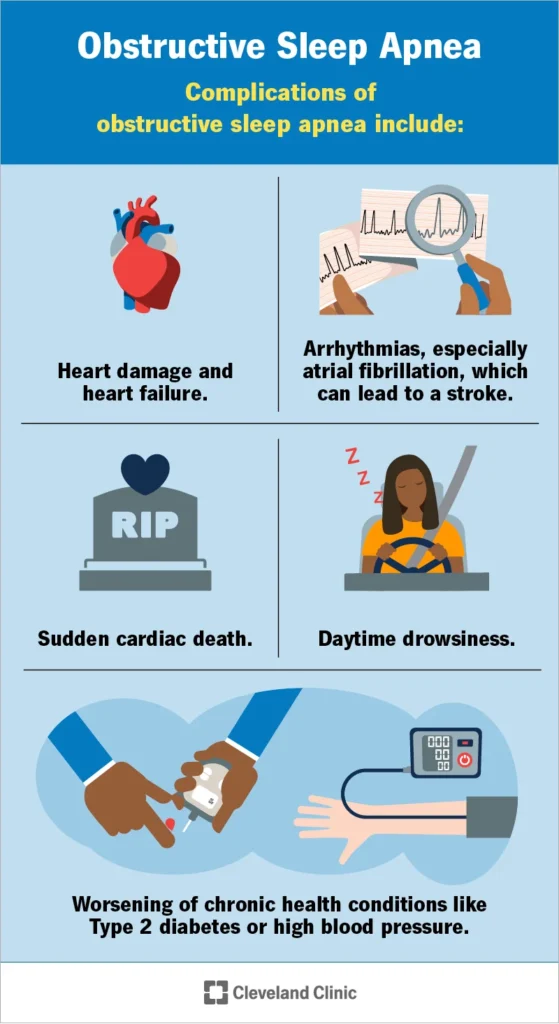
Snoring can have many causes, and some are more serious than others. If you’re seeing red flags like choking or gasping at night, morning headaches, or heavy daytime sleepiness, it’s smart to read up on Sleep apnea – Symptoms and causes and talk with a clinician.
Timing: When to tackle snoring (and when not to wait)
Pick a start date that matches real life. Many people try to fix snoring right after travel, a late work sprint, or a week of poor sleep. That’s understandable, but it can blur what’s actually helping.
A better window is a “normal” week when you can keep bedtime and wake time steady. Aim for 10–14 nights of consistency before you judge results.
Don’t delay if you notice warning signs
If snoring comes with pauses in breathing, gasping, or severe daytime fatigue, don’t treat it like a DIY project. Get medical guidance. Mouthpieces can be helpful, but they’re not a substitute for evaluation when symptoms suggest sleep apnea.
Supplies: What you need for a simple snore-and-sleep reset
You don’t need a nightstand full of gadgets. A tight, practical setup works best.
- A tracking note: phone notes or paper. Record bedtime, wake time, and a quick “snoring?” check-in.
- Basic nasal support: whatever your clinician recommends for congestion; even simple routines can matter.
- A side-sleep helper: a body pillow or a positional strategy if back-sleeping triggers snoring.
- An anti snoring mouthpiece: if your snoring seems positional or jaw-related, this is often the most direct tool to test.
If you’re comparing options, start here: anti snoring mouthpiece.
Step-by-step (ICI): Identify → Choose → Implement
This is the no-drama approach. It’s built for couples who want less arguing and more sleep.
1) Identify your most likely snoring triggers
Use three quick questions:
- Position: Is it worse on your back?
- Timing: Is it worse after alcohol, a heavy meal, or a brutal workday?
- Nose vs. mouth: Are you congested or mouth-breathing at night?
This matters because “snoring” isn’t one problem. It’s a pattern with inputs.
2) Choose one primary lever for two weeks
People get stuck because they change five things at once. Then nobody knows what worked.
For many snorers, the first lever to test is either:
- Positional change (side sleeping support), or
- An anti snoring mouthpiece (especially when jaw/tongue position seems involved).
If you’re a couple, agree on the goal. Make it about sleep quality for both of you, not “fixing” one person.
3) Implement with a comfort-first ramp
Mouthpieces can feel weird at first. That’s normal. What helps is a short ramp-up.
- Night 1–3: prioritize comfort and consistency. Keep expectations modest.
- Night 4–7: look for trends. Is snoring less frequent? Is your partner waking up less?
- Night 8–14: decide based on results. If it’s helping, keep it. If not, reassess fit and triggers.
Also, protect the basics. A mouthpiece can’t outwork a chaotic schedule, late-night doomscrolling, or constant travel fatigue. Those trends are everywhere right now, and they hit sleep hard.
Mistakes: The common ways people sabotage progress
Turning it into a nightly argument
If your partner is frustrated, validate the impact. If you’re the snorer, ask for a two-week experiment instead of an endless debate. A clear timeline lowers the emotional heat.
Assuming “louder” means “more dangerous” (or the opposite)
Volume doesn’t always match severity. What matters is breathing quality and daytime function. If there are apnea-like signs, treat it as a health conversation, not just a comfort issue.
Buying every trending device at once
Sleep tech is booming, and the marketing is persuasive. Still, stacking gadgets can distract from the big drivers: airway, position, and routine.
Ignoring sleep position entirely
Back sleeping can worsen snoring for many people. Side sleeping strategies are low-cost and worth testing, especially if your snoring is clearly positional.
FAQ: Quick answers people want before bed tonight
Can an anti snoring mouthpiece improve sleep quality for both partners?
It can. If snoring decreases, the non-snoring partner often sleeps more continuously, and the snorer may also wake less from micro-arousals.
What if I only snore when I’m exhausted or after travel?
That pattern is common. Travel fatigue, schedule shifts, and stress can all worsen snoring. In those cases, a mouthpiece may help, but it’s also worth tightening sleep timing and reducing late-night triggers.
How do we talk about snoring without making it personal?
Use shared language: “We need better sleep.” Agree on a trial period. Keep the focus on outcomes like fewer wake-ups and better mornings.
CTA: Make the next two weeks easier
If snoring is turning bedtime into a stress point, choose one plan and run it consistently. If you want to explore mouthpiece options designed for snoring, start here: anti snoring mouthpiece.
How do anti-snoring mouthpieces work?
Medical disclaimer: This article is for general education only and is not medical advice. Snoring can be a sign of a sleep-related breathing disorder. If you have choking/gasping, pauses in breathing, significant daytime sleepiness, or other concerning symptoms, seek evaluation from a qualified clinician.