
- Snoring is rarely “just noise”—it can wreck sleep quality for two people at once.
- Stress and burnout make it louder by fragmenting sleep and changing breathing patterns.
- Sleep gadgets are trending, but the right fix depends on your snoring “type.”
- Mouth taping is getting attention; it’s not a universal or risk-free solution.
- An anti snoring mouthpiece can be a practical step if your snoring is jaw-position related.
Why snoring feels bigger right now
Snoring has moved from private annoyance to group-chat content. People swap sleep gadget links, joke about “sleep divorces,” and blame work stress for feeling wrecked. Add travel fatigue and late-night scrolling, and many couples are running on thin patience.
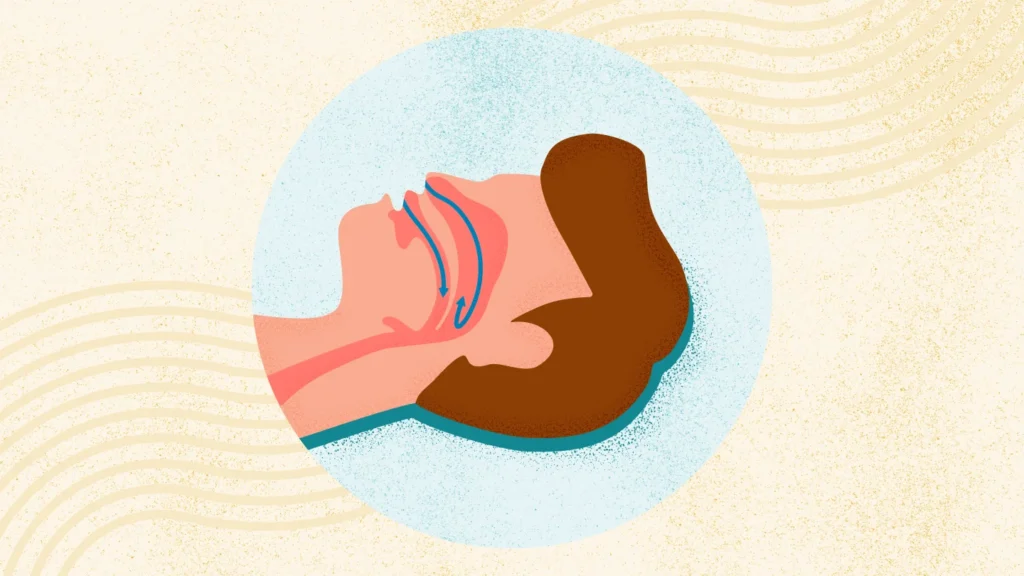
That’s why snoring isn’t just a bedroom issue. It becomes a communication issue. One person can’t sleep, the other feels blamed, and both start dreading bedtime.
Decision guide: If…then… choose your next step
Use these branches to pick a sane next move. Don’t stack five hacks at once. Pick one path, test it, and reassess.
If your snoring ramps up with congestion, dryness, or “the nose knows” moments…
Then start with airflow basics. A lot of snoring gets worse when nasal breathing is limited. Seasonal stuffiness, indoor heat, and travel air can all play a role.
- Prioritize nasal comfort and hydration habits.
- Consider simple, low-risk routines that support nasal breathing.
- If your nose is frequently blocked, get it checked rather than forcing a workaround.
Snoring that tracks with congestion may not respond as well to jaw-position devices alone. You may still benefit, but set expectations.
If your partner says you snore most when you’re on your back…
Then treat it like position-related snoring. Back-sleeping can let the jaw and tongue fall back, narrowing the airway. This is where a mandibular-advancement style mouthpiece often enters the chat.
- Try side-sleeping strategies first if you can tolerate them.
- If you keep rolling onto your back, a mouthpiece may be a more consistent solution.
If snoring is colliding with relationship stress (“I can’t do this anymore”)…
Then make it a two-person plan. Snoring turns into resentment when it’s treated like a character flaw. Keep it practical and time-boxed.
- Agree on a two-week experiment window.
- Pick one primary intervention and one backup (like a temporary separate-sleep plan).
- Track outcomes: fewer wake-ups, less daytime irritability, fewer arguments.
The goal isn’t perfection. It’s fewer broken nights and less tension.
If you’re tempted by viral hacks like mouth taping…
Then pause and pressure-test safety. Mouth taping is trending in sleep circles, but it isn’t a one-size fix. If nasal breathing is compromised, taping can backfire.
For a broader look at what people are discussing around snoring, apnea concerns, and popular hacks, see Living Well with SoHum Health: The Nose Knows.
If you suspect sleep apnea (or your snoring suddenly changes)…
Then don’t self-diagnose—get evaluated. Snoring can overlap with sleep apnea, and the difference matters. If you notice choking/gasping, extreme daytime sleepiness, or your partner observes breathing pauses, talk to a clinician.
A mouthpiece may still be part of a plan for some people, but medical guidance is the safest route when red flags show up.
Where an anti snoring mouthpiece fits (and where it doesn’t)
An anti snoring mouthpiece is typically designed to keep the lower jaw from sliding backward. That can help reduce airway narrowing for certain sleepers. It’s popular because it’s direct, travel-friendly, and doesn’t require charging.
It’s not magic. If your main driver is nasal blockage, alcohol close to bedtime, or an untreated sleep-breathing disorder, you may see limited results.
Quick picker: what to look for before you buy
- Comfort first: If you can’t tolerate it, you won’t use it.
- Stability: A secure fit reduces middle-of-the-night fiddling.
- Jaw support options: Some people like added support to reduce mouth opening.
- Simple cleaning: The easier it is, the more consistent you’ll be.
If you’re comparing options, this anti snoring mouthpiece is one approach people consider when mouth opening is part of the problem.
Talk about it without starting a fight
Snoring conversations go sideways when they happen at 2:00 a.m. Keep it daytime, specific, and shared.
- Say what you notice: “I’m waking up three times a night.”
- Say what you need: “I need a two-week plan we both can live with.”
- Keep it neutral: “Let’s test one change at a time.”
This approach lowers defensiveness. It also keeps the focus on sleep health, not blame.
FAQs
Do anti-snoring mouthpieces work for everyone?
No. They often help when snoring is related to jaw position and airway narrowing, but they may not help if congestion or another cause is driving the noise.
Is snoring always a sign of sleep apnea?
No, but loud, frequent snoring plus choking/gasping, morning headaches, or daytime sleepiness can be warning signs worth discussing with a clinician.
Is mouth taping a safe snoring fix?
It can be risky for some people, especially if nasal breathing is limited. It’s safer to address nasal blockage and get medical guidance if you suspect apnea.
What’s the difference between a mouthguard and a mandibular advancement device (MAD)?
A typical sports mouthguard protects teeth. A MAD is designed to gently position the lower jaw forward to reduce snoring in some sleepers.
Can a mouthpiece help with travel fatigue and burnout sleep?
It can help if snoring is fragmenting sleep. Travel dryness, alcohol, and irregular schedules can still worsen snoring, so expectations should be realistic.
CTA: pick one step tonight
If snoring is straining sleep and patience, don’t keep “powering through.” Choose one experiment and run it for two weeks.
How do anti-snoring mouthpieces work?
Medical disclaimer: This article is for general education only and isn’t medical advice. Snoring can sometimes signal a sleep-related breathing disorder. If you have symptoms like choking/gasping, breathing pauses, chest pain, severe daytime sleepiness, or concerns about a child’s breathing during sleep, seek evaluation from a qualified clinician.