
Before you try another “sleep hack,” run this quick checklist:
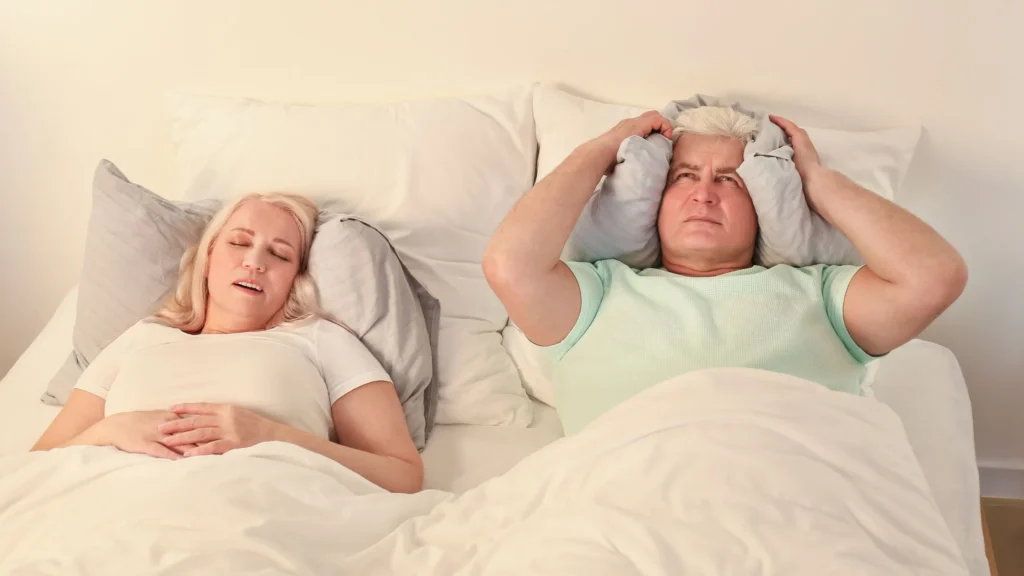
- Are you snoring most nights or only after alcohol, travel, or a cold?
- Is anyone noticing pauses, choking, or gasping? That’s a bigger flag than volume.
- Are you exhausted during the day even after “enough” hours in bed?
- Is the problem turning into relationship stress? (Separate blankets are funny until they aren’t.)
- Are you tempted by viral fixes because you’re desperate for one quiet night?
If you’re nodding along, you’re not alone. Sleep gadgets are trending, burnout is real, and travel fatigue makes everything louder. Let’s sort what’s popular from what actually protects your sleep health—and where an anti snoring mouthpiece fits in.
What people are trying right now (and why it’s tempting)
Sleep has become a hobby. Trackers, smart rings, white-noise machines, nasal strips, and “one weird trick” videos are everywhere. When you’re run down, anything that promises a fast fix feels worth a shot.
One trend getting a lot of attention is mouth taping. It’s often framed as a way to “force” nasal breathing. But recent coverage has included cautions from scientists and clinicians about potential downsides for some sleepers. If you want a quick overview of that conversation, see Scientists warn against viral nighttime mouth-taping trend.
Here’s the practical takeaway: if your snoring is a breathing/airway issue, “sealing the exit” isn’t the same as fixing the cause. You want safer, reversible steps first.
The health side: when snoring is more than a noise problem
Snoring can be simple vibration from relaxed tissues. It can also be a sign your airway is narrowing too much during sleep. That’s where sleep quality tanks, even if you don’t fully wake up.
Poor sleep doesn’t stay in the bedroom. It can affect mood, focus, and stress tolerance. It can also connect with heart health over time when sleep is consistently disrupted. If you’re already dealing with workplace burnout, snoring can push you from “tired” to “not functioning.”
And if you have ADHD—or you live with someone who does—sleep can be even more fragile. Irregular schedules, late-night scrolling, and a brain that won’t downshift can magnify the impact of snoring. That’s not a character flaw. It’s a setup problem.
How an anti snoring mouthpiece can help (without the drama)
An anti snoring mouthpiece is designed to change mouth and jaw positioning during sleep. The goal is simple: help keep the airway more open so tissues vibrate less.
In plain terms, it’s a mechanical assist. No apps. No “biohacking identity.” Just a tool that can reduce snoring for the right person.
Who tends to do well with a mouthpiece
- People whose snoring is worse on their back.
- People who suspect their jaw drops open during sleep.
- Couples who want a quieter option that doesn’t require separate bedrooms.
Who should be cautious
- Anyone with jaw pain, significant dental issues, or a history of TMJ problems.
- Anyone with red-flag symptoms for sleep apnea (more on that below).
- People who can’t breathe well through their nose most nights.
Try this at home first: a low-effort snoring reset
You don’t need a perfect routine. You need a repeatable one. Use this as a one-week experiment and keep notes.
1) Reduce the “snore stack”
Snoring often piles up from small factors. Travel fatigue, alcohol close to bedtime, congestion, and sleeping flat can team up. Pick one factor to change tonight, not five.
2) Build a side-sleep bias
Back sleeping can worsen snoring for many people. Try a pillow setup that makes side sleeping the easy default. If you share a bed, frame it as teamwork, not criticism.
3) Clear the nose, then reassess
Hot shower, gentle saline rinse, or other basic comfort measures can help if you’re stuffy. If you can’t breathe through your nose, mouth-based “fixes” can backfire.
4) Consider a mouthpiece approach
If your pattern fits (positional snoring, mouth opening, jaw relaxation), a mouthpiece may be worth a trial. Some people also like a combo approach that supports mouth closure.
If you’re exploring that route, here’s a related option: anti snoring mouthpiece.
When to stop experimenting and get checked
Snoring plus poor sleep can become a health issue, not just an annoyance. Consider professional evaluation if any of these show up:
- Loud snoring with witnessed pauses, choking, or gasping.
- Strong daytime sleepiness, drowsy driving risk, or concentration problems.
- Morning headaches, high blood pressure concerns, or frequent nighttime urination.
- Snoring that is escalating despite basic changes.
If you’re arguing about it, that counts too. Sleep loss makes small conflicts feel huge. A plan beats resentment.
FAQ: quick answers for real life
Will a mouthpiece cure snoring permanently?
It can reduce or control snoring while you use it. Results depend on your anatomy, sleep position, nasal airflow, and consistency.
What if my partner says I only snore “sometimes”?
“Sometimes” often maps to triggers like alcohol, allergies, or exhaustion. Track those nights. It helps you choose the right fix.
Can I combine a mouthpiece with sleep hygiene?
Yes. In fact, pairing a device with simple habits (side sleep, consistent bedtime, less late alcohol) often works better than any single tactic.
Next step: get a clear explanation before you buy anything
If you’re trying to protect your sleep and your relationship, you deserve a plan that’s simple and safe. Start with what’s most likely to help, and don’t let viral trends pressure you into risky shortcuts.
How do anti-snoring mouthpieces work?
Medical disclaimer: This article is for general education only and is not medical advice. Snoring can be a symptom of sleep apnea or other conditions. If you have breathing pauses, gasping, significant daytime sleepiness, jaw pain, or other concerning symptoms, talk with a qualified clinician for diagnosis and treatment options.