
- Snoring is rarely just “noise.” It can chip away at sleep quality, mood, and patience on both sides of the bed.
- Sleep trends are loud right now. Mouth taping, wearables, and “sleep stacks” get clicks, but your airway still runs the show.
- An anti snoring mouthpiece can be a practical middle step. It’s often simpler than a full equipment setup, and more targeted than random hacks.
- Relationship stress matters. Snoring arguments usually aren’t about the sound—they’re about exhaustion and feeling unheard.
- Some snoring needs medical attention. If sleep apnea is on the table, don’t DIY your way around it.
The “If…then…” decision map (use this tonight)
If your partner is joking about it… but you’re both tired, then start with a quick reset
Snoring humor is everywhere for a reason. It’s easier to laugh than to admit you’re running on fumes. If the vibe is “we’re fine” but mornings feel rough, treat it like a sleep quality problem, not a personality flaw.
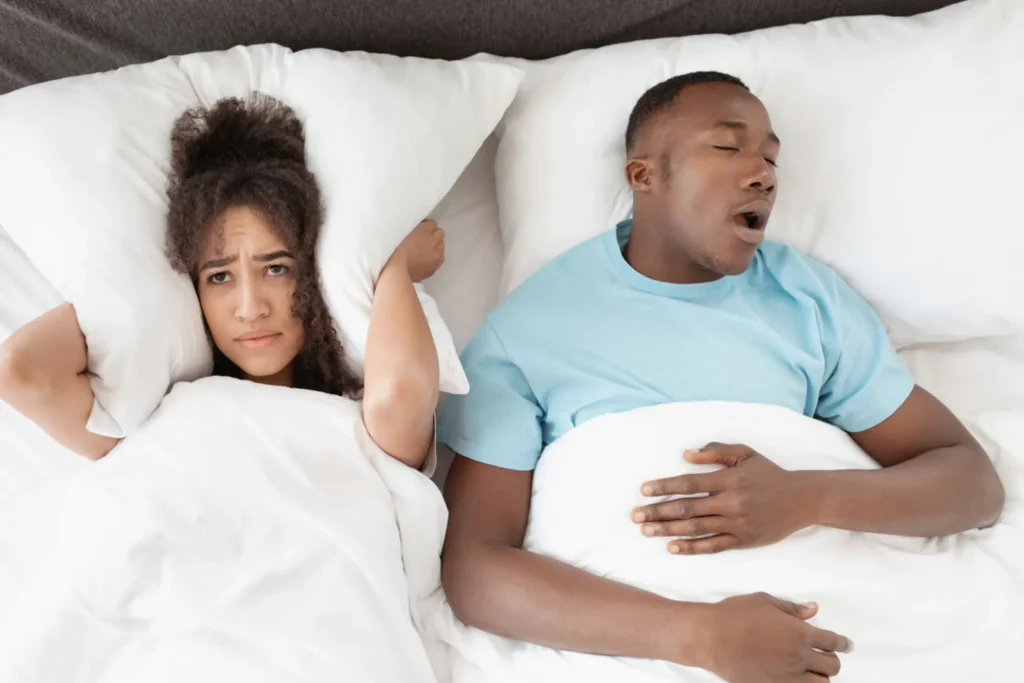
Try a simple reset for a week: consistent bedtime, side-sleep support, and less alcohol close to bed. Keep it calm. You’re testing patterns, not assigning blame.
If snoring spikes after travel, late nights, or burnout, then address the trigger first
Workplace burnout and travel fatigue can make snoring worse. Short sleep, stress, and irregular schedules change how deeply you sleep and how your muscles relax.
Hydration, a steadier schedule, and nasal comfort can help some people. You’ll also learn whether your snoring is “situational” or basically nightly.
If you’re tempted by TikTok fixes (like mouth taping), then pause and sanity-check safety
Sleep gadgets and trends are having a moment, and mouth taping keeps coming up in conversations. The problem is that “viral” doesn’t mean “right for your body.”
If you can’t breathe freely through your nose, taping can backfire. If you suspect sleep apnea, it’s not a shortcut. For a general, non-alarmist overview of the trend, see this explainer on Is Mouth Taping Safe for Sleep? What Parents Should Know About This TikTok Trend.
If you snore most nights, then an anti snoring mouthpiece may be your most direct next step
When snoring is frequent, you want an option that targets the mechanics. Many mouthpieces aim to keep the airway more open by adjusting jaw or tongue position.
This is where an anti snoring mouthpiece can make sense: it’s focused, non-electronic, and doesn’t require you to “optimize” ten different habits at once. It also gives couples a concrete plan, which lowers tension.
If you wake up gasping, feel unrefreshed, or have daytime sleepiness, then prioritize a sleep apnea check
Not all snoring is equal. Loud snoring plus choking/gasping, morning headaches, or heavy daytime sleepiness can point to sleep apnea.
In that case, a mouthpiece might still be part of the solution, but you’ll want medical guidance first. The goal isn’t just quieter sleep—it’s safer sleep.
If you use CPAP and still snore, then treat it as a setup problem—not a personal failure
Some people still snore with CPAP. Common issues include mask leaks, mouth breathing, congestion, or settings that need adjustment.
Bring it up with your sleep clinician. Small changes can make a big difference, and you shouldn’t have to guess.
What to look for in a mouthpiece (without overthinking it)
Skip the “miracle” language. Look for comfort, a secure fit, and a design that matches your snoring pattern. If you often breathe through your mouth, a combo approach may help you stay consistent.
If you want a simple option to evaluate, consider this anti snoring mouthpiece. It’s a practical pairing for people who suspect mouth breathing is part of the problem.
How to talk about snoring without starting a fight
Use “sleep quality” language, not “you” language. Try: “I miss feeling rested” or “I’m struggling to fall back asleep.” That keeps the conversation on a shared goal.
Agree on a short trial window. Two weeks is long enough to see change, and short enough to feel doable. If it helps, celebrate the win. If it doesn’t, you move to the next branch of the decision map.
FAQ (quick answers)
Do anti-snoring mouthpieces work for everyone?
No. They can help some people with simple snoring, but they may not resolve snoring driven by sleep apnea or major congestion.
Is mouth taping a safe snoring fix?
It depends. If you have nasal blockage, breathing problems, or possible sleep apnea, get medical advice before trying it.
Why might someone still snore while using CPAP?
Leaks, fit, pressure settings, sleep position, and nasal issues can all contribute. A clinician can help troubleshoot.
Can kids use anti-snoring mouthpieces?
Kids who snore should be evaluated by a pediatric clinician. Don’t use adult devices for children unless directed by a professional.
What’s the fastest way to tell if my snoring is a bigger health issue?
Red flags include gasping/choking, severe daytime sleepiness, morning headaches, and high blood pressure. Seek evaluation if these show up.
Next step: pick one change you’ll actually stick with
If you’re stuck in the loop of gadgets, hacks, and half-fixes, choose one clear trial. A mouthpiece is often the most straightforward option to test because it targets airflow mechanics directly.
How do anti-snoring mouthpieces work?
Medical disclaimer: This article is for general education and does not provide medical advice. Snoring can be a sign of sleep apnea or other health conditions. If you have choking/gasping at night, significant daytime sleepiness, chest pain, or concerns about a child’s breathing during sleep, seek evaluation from a qualified clinician.