
Snoring is funny until it isn’t. One person laughs, the other person stares at the ceiling at 2:13 a.m.
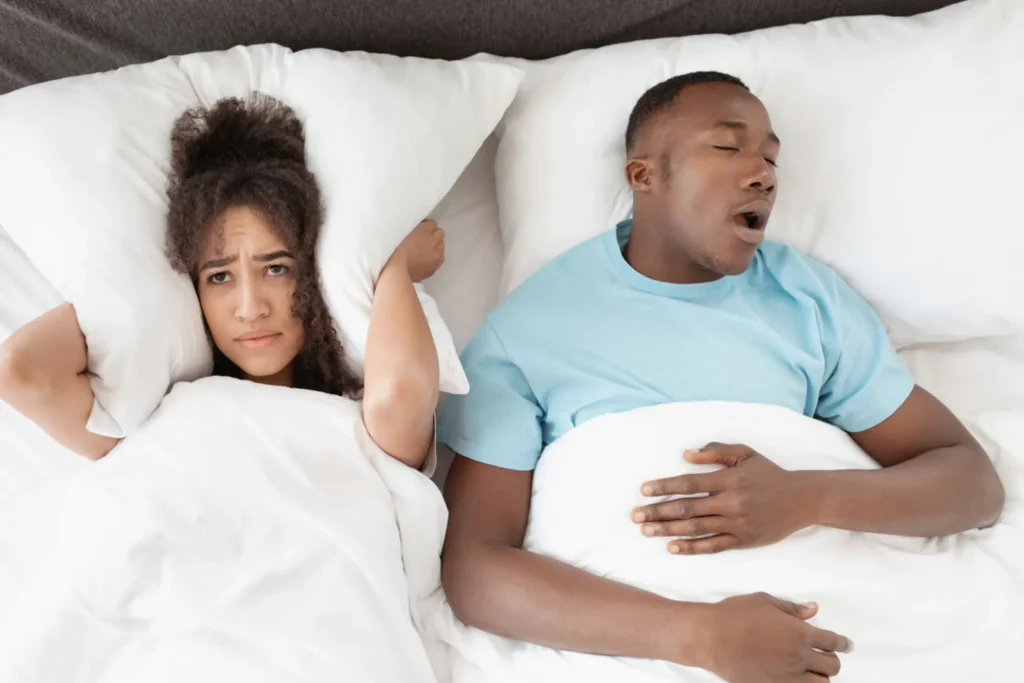
Between travel fatigue, burnout mornings, and a new wave of sleep gadgets, a lot of couples are quietly asking the same thing: “Can we fix this without turning bedtime into a science project?”
Thesis: If snoring is wrecking sleep quality (and patience), an anti snoring mouthpiece can be a practical middle step—after you rule out bigger health flags.
Why are people suddenly talking about breathing and snoring?
Sleep content is everywhere right now. You’ll see discussions about “breathing better,” wearables scoring your sleep, and hacks that promise deeper rest. Some headlines have even pushed mouth taping into the mainstream conversation.
That cultural moment matters because it changes expectations. People want a quick fix. They also want something that doesn’t feel extreme, especially when the real problem is shared: one partner snores, both partners lose sleep.
If you want a general overview of the breathing conversation that’s been circulating, see Can taping your mouth shut improve your sleep? New study reveals.
Is snoring “just noise,” or is it hurting sleep quality?
Snoring can be “just snoring.” It can also be a sign that airflow is getting tight during sleep. Either way, the impact is real: fragmented sleep, dry mouth, morning grogginess, and the kind of irritability that makes small disagreements feel huge.
Sleep quality isn’t only about hours in bed. It’s also about how often sleep gets disrupted. Even brief arousals can leave you feeling like you never fully powered down.
Relationship tip that actually helps: talk about snoring during the day, not at 3 a.m. The goal is teamwork, not blame.
What are the “don’t ignore this” signs people miss?
Recent coverage has highlighted that sleep apnea can be overlooked. You don’t need to self-diagnose, but you should notice patterns that raise the stakes.
Consider a medical check-in if snoring comes with:
- Gasping, choking, or witnessed breathing pauses
- Excessive daytime sleepiness (especially while driving or in meetings)
- Morning headaches or waking up unrefreshed most days
- High blood pressure or heart-related concerns discussed with your doctor
- Snoring that suddenly worsens or changes after weight change, illness, or new meds
Snoring can be a nuisance. In some people, it’s also connected to broader health risks. If you suspect sleep apnea, a clinician can guide testing and treatment options.
Where does an anti snoring mouthpiece fit among all the sleep gadgets?
Sleep gadgets are having a moment: rings, watches, smart mattresses, white-noise machines, nasal strips, and apps that promise “sleep coaching.” Some are useful. Many are just data.
An anti snoring mouthpiece is different because it aims to change the mechanics of snoring. Many designs work by gently positioning the lower jaw forward or stabilizing the tongue so the airway stays more open.
When a mouthpiece is a reasonable next step
- You snore most nights and it’s disrupting a partner’s sleep
- You wake with dry mouth or sore throat and suspect mouth-breathing
- You want a non-surgical, travel-friendly option
- You’ve tried basic changes (sleep position, alcohol timing) and still snore
When a mouthpiece may not be enough
- Strong sleep apnea symptoms (gasping, pauses, severe sleepiness)
- Significant jaw pain, TMJ issues, or dental instability
- Snoring driven by nasal obstruction that needs evaluation
If you’re comparing products, start with a clear overview of anti snoring mouthpiece and focus on fit, comfort, and adjustability.
How do you talk about snoring without starting a fight?
Snoring is one of those problems that feels personal, even when it isn’t. The snorer can feel judged. The listener can feel dismissed. Add workplace burnout and travel fatigue, and everyone’s fuse is shorter.
Use a “shared goal” script
- “I miss waking up rested. Can we try a plan for two weeks?”
- “Let’s pick one thing to test, then reassess.”
- “If it doesn’t help, we’ll look at a medical check-in.”
This keeps the conversation practical. It also reduces the pressure to find a perfect fix on night one.
What should you expect when trying a mouthpiece?
Most people need an adjustment period. The first nights can feel odd, like wearing a new retainer. Some drooling or mild jaw tightness can happen early on.
Set expectations like you would for a new pillow: test it consistently, track outcomes, and stop if pain shows up. If you wake up with jaw pain or tooth pain, don’t push through it.
A simple way to measure “is this working?”
- Partner reports fewer/lower snoring episodes
- Fewer wake-ups (for both of you)
- Better morning energy after a week or two
- Less dry mouth or sore throat
FAQ: Quick answers on snoring, sleep quality, and mouthpieces
Are mouthpieces the same as CPAP?
No. CPAP is a medical therapy for sleep apnea. Mouthpieces may help snoring and some mild cases, but a clinician should guide apnea treatment.
Can I use a mouthpiece if I grind my teeth?
Sometimes, but it depends on the design and your bite. If you grind heavily, ask a dentist for guidance to avoid jaw or tooth issues.
Will a mouthpiece stop snoring immediately?
Some people notice changes quickly. Others need fit tweaks and a week or two to adapt.
Medical disclaimer: This article is for general education only and isn’t medical advice. Snoring can be linked to sleep apnea and other health conditions. If you have symptoms like choking/gasping, breathing pauses, significant daytime sleepiness, chest discomfort, or jaw/tooth pain, talk with a qualified clinician or dentist.