
At 2:13 a.m., someone nudges their partner and whispers, “You’re doing the chainsaw thing again.” The partner rolls over, half-awake, and mumbles something about a new sleep gadget they saw online. By morning, both feel fried. The snorer feels embarrassed. The listener feels resentful. Nobody feels rested.
That scene is everywhere right now. Sleep advice is trending, sleep coaching is having a moment, and quick-fix hacks keep going viral. Under the jokes is a real issue: snoring can wreck sleep quality, mood, and patience. If you’re searching for an anti snoring mouthpiece, you’re not alone.
Why does snoring feel worse during stressful weeks?
Stress doesn’t just live in your calendar. It shows up at night. When you’re overworked or burned out, your sleep gets lighter and more fragmented. That makes any noise feel louder, and it makes it harder to “sleep through” a partner’s snoring.
Travel fatigue can add fuel too. New beds, alcohol with late dinners, and irregular sleep times can all make snoring more noticeable. Even if the snoring volume doesn’t change, your tolerance might.
Relationship reality check
Snoring becomes a communication problem fast. One person feels criticized. The other feels ignored. A simple script helps: “I’m not mad at you. I’m tired. Can we try one change this week and see if it helps?”
What are people trying right now—and what should you skip?
The internet is packed with “sleep fixes.” Some are harmless. Others are risky when treated like a universal solution.
Viral mouth-taping: why the hype needs caution
Mouth taping gets attention because it looks simple. But “simple” isn’t the same as “safe.” If someone has nasal congestion, allergies, or any breathing concern, taping can backfire. For kids and teens, it’s even more important to be cautious and talk with a clinician before trying trends.
Sleep coaching and sleep tech: helpful, but not magic
Adult sleep coaching is growing because people feel overwhelmed by conflicting advice. Wearables and sleep trackers can also help you notice patterns. Still, a score on an app can’t diagnose the reason you snore. Use the data as a clue, not a verdict.
How can an anti snoring mouthpiece improve sleep quality?
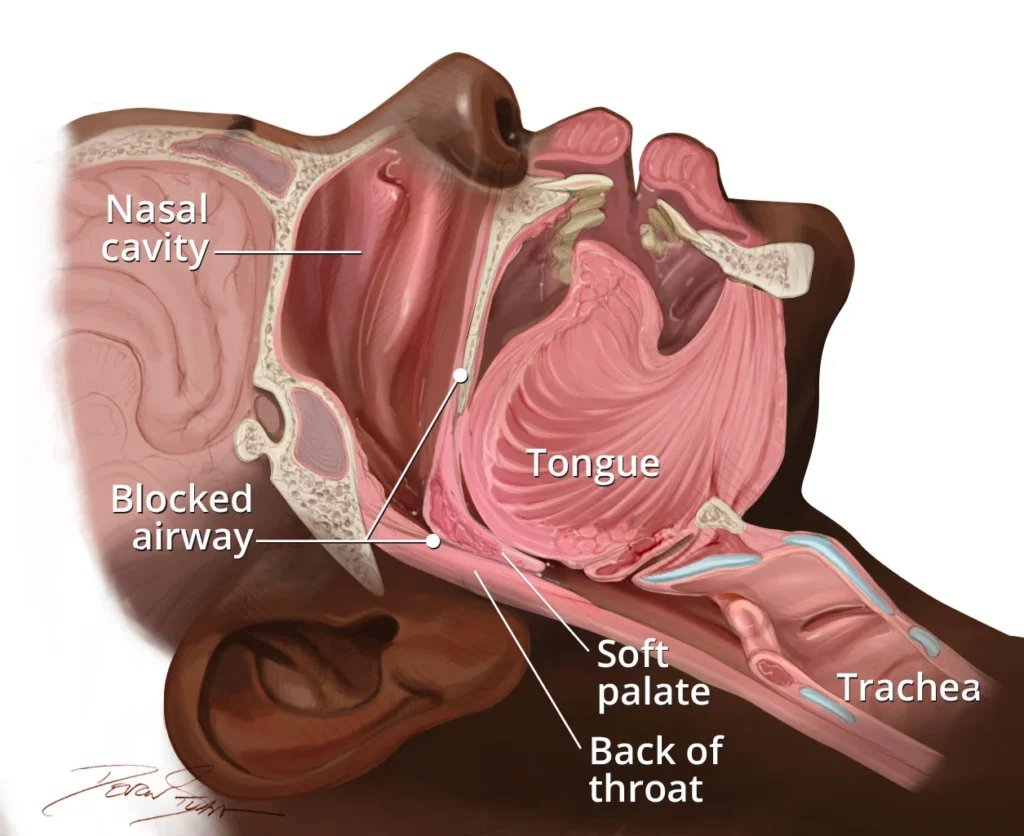
For many people, snoring happens when tissues in the throat relax during sleep and vibrate as air moves through. Mouthpieces aim to change airflow dynamics by adjusting jaw or tongue position. The goal is less vibration, which can mean less noise and fewer sleep disruptions.
When snoring drops, the payoff isn’t just “quiet.” Couples often report fewer wake-ups, less arguing at bedtime, and better mornings. That’s sleep health in real life.
What mouthpieces can and can’t do
- Can: reduce snoring for some people, especially when snoring is position-related or linked to jaw/tongue posture.
- Can’t: guarantee results, replace medical care, or treat every cause of snoring.
If I’m still snoring, could it be sleep apnea?
Sometimes snoring is just snoring. Sometimes it’s a sign of obstructed breathing that needs medical attention. If a person snores loudly and also has choking, gasping, or witnessed pauses in breathing, that’s a reason to get evaluated.
It’s also possible to keep snoring even when using a CPAP, depending on mask fit, pressure settings, or mouth breathing. If you’re on CPAP and still snoring, follow up with your sleep clinician rather than stacking random fixes.
What about nasal strips, sprays, or nasal dilators?
Nasal products are popular because they’re easy to try. If your snoring is driven by nasal congestion or restricted nasal airflow, they may help. Research reviews have looked at nasal dilators in sleep-disordered breathing, but results can vary by person and by the specific cause of snoring.
If you wake up with a dry mouth, breathe through your mouth at night, or your partner says the sound comes from the throat, a mouth-focused solution may be more relevant than a nasal one.
How do I choose a mouthpiece without overthinking it?
Skip the “perfect” hunt. Focus on safe basics and comfort.
Quick selection filters
- Comfort first: If it hurts, you won’t wear it.
- Fit matters: Follow sizing or molding instructions carefully.
- Jaw history: If you have TMJ pain, dental_toggle, or dental work concerns, talk to a dentist before using a jaw-advancing device.
- Snore pattern: Back-sleeping snorers may benefit from combining approaches (like side-sleep support plus a mouthpiece).
For a grounded overview of general strategies people use, see Is Mouth Taping Safe for Sleep? What Parents Should Know About This TikTok Trend.
Common couple problem: “I don’t want to be the project”
If you snore, it can feel like you’re being managed. If you’re losing sleep, it can feel like you’re carrying the burden alone. Try making the goal shared: “Let’s protect both of our sleep.”
Pick one change for seven nights. Track two things only: how many times someone wakes up, and how you feel at 10 a.m. Keep it simple. Consistency beats intensity.
Ready to try a mouthpiece option?
If you want a combined approach, consider an anti snoring mouthpiece. It’s a practical route for people who suspect mouth breathing plays a role.
How do anti-snoring mouthpieces work?
FAQ
Do anti-snoring mouthpieces work for everyone?
No. They can help some people, especially with position-related snoring, but results vary by anatomy and the reason you snore.
Is mouth taping a safe snoring fix?
It’s a popular trend, but safety depends on the person. If you have nasal blockage, breathing issues, or anxiety, don’t try it without medical guidance.
What’s the difference between a mouthpiece and a CPAP?
A CPAP is a medical therapy often used for sleep apnea. A mouthpiece is a dental-style device that may reduce snoring for some people, but it isn’t a replacement for prescribed treatment.
Can nasal dilators help snoring?
They may help some people who snore due to nasal airflow restriction. Evidence is mixed, and they won’t address every cause of snoring.
When should snoring be checked by a clinician?
If you have choking/gasping, witnessed breathing pauses, severe daytime sleepiness, morning headaches, or high blood pressure, get evaluated for sleep apnea.
Medical disclaimer: This article is for general education and is not medical advice. It does not diagnose or treat any condition. If you suspect sleep apnea, have significant daytime sleepiness, or have breathing pauses during sleep, talk with a qualified clinician.