
Snoring isn’t just noise. It’s a nightly negotiation between comfort, health, and whoever is trying to sleep next to you.
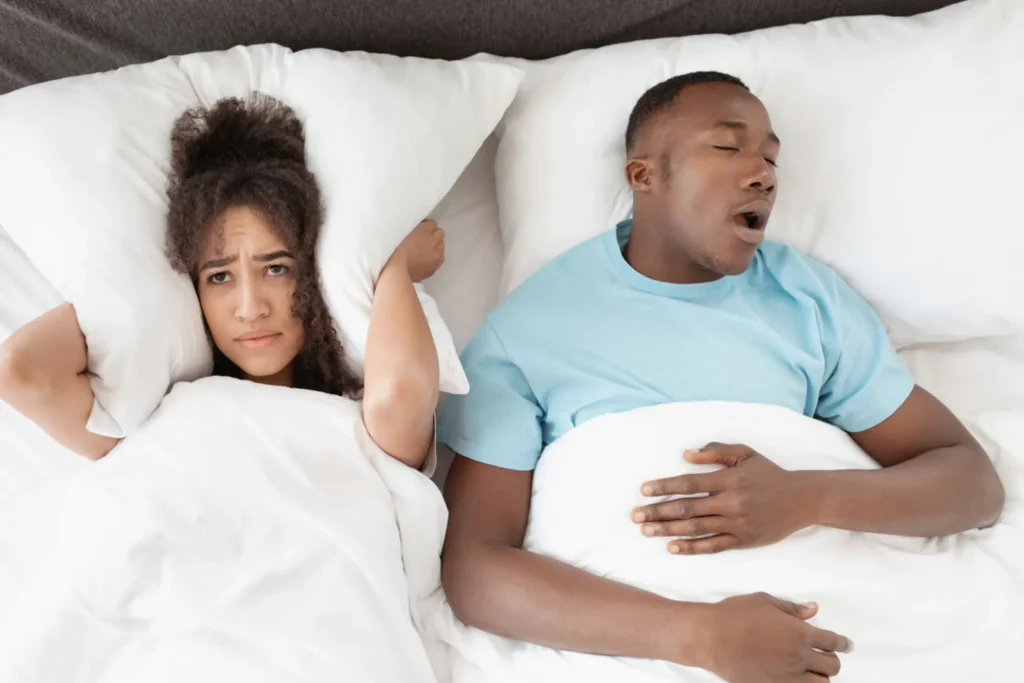
And lately, it feels like everyone has a new “hack” for it—some helpful, some risky, many loud on social media.
Here’s the simple takeaway: better sleep starts with safer basics, and an anti snoring mouthpiece can be one practical option when it fits your situation.
What people are trying right now (and why)
Sleep has become a full-on lifestyle category. There are tracking rings, smart alarms, white-noise machines, and travel-friendly gadgets meant to “fix” jet lag and hotel insomnia.
At the same time, burnout is everywhere. When stress rises, sleep gets lighter, partners get crankier, and snoring feels louder than it used to. That’s often when couples start trading jokes… and then start shopping.
The trend cycle: from wearables to viral sleep tricks
Recent chatter has included everything from mouth taping to quick “how to stop snoring” tip lists from physicians and tech reviewers. Some ideas are harmless. Others deserve caution—especially when they affect breathing.
If you’re tempted by a viral fix, pause and ask one question: “Does this improve airflow, or does it restrict it?” Airflow wins.
What matters medically (without the fear spiral)
Snoring happens when airflow makes soft tissues in the upper airway vibrate. That can be more likely with nasal congestion, back sleeping, alcohol close to bedtime, or certain jaw/tongue positions.
Sometimes, snoring is also tied to sleep apnea, a condition where breathing can repeatedly narrow or stop during sleep. General medical references describe common warning signs like loud snoring, witnessed pauses in breathing, choking or gasping, and daytime sleepiness.
Snoring vs. possible sleep apnea: the “relationship check-in” version
If your partner says you stop breathing, that’s not just a punchline. If you wake up unrefreshed despite “enough hours,” that’s also worth attention.
For a general overview, see Is Mouth Taping Safe for Sleep? What Parents Should Know About This TikTok Trend.
What you can try at home (safe, realistic steps)
You don’t need a lab to start improving sleep quality. You do need a plan you’ll actually stick with.
Step 1: reduce “snore fuel” for a week
- Side-sleeping: Many people snore more on their back. A body pillow can help you stay angled.
- Nasal support: If you’re congested, consider simple comfort steps like shower steam or saline spray. (Avoid anything that makes you feel wired at night.)
- Alcohol timing: If you drink, try shifting it earlier. Late-evening alcohol can worsen snoring for some people.
- Bedroom boundaries: Cool, dark, quiet. If travel fatigue is your issue, pack what keeps your routine stable.
Step 2: where an anti snoring mouthpiece can fit
An anti snoring mouthpiece is designed to support airflow by changing the position of the jaw or tongue during sleep (depending on the style). For some snorers, that positioning reduces vibration and volume.
If you’re exploring options, a combined approach can be appealing for people who also struggle with mouth breathing or jaw drop. One example is this anti snoring mouthpiece.
Step 3: set expectations (so you don’t quit too soon)
Give any change a fair test. Track two things for 7–14 nights: your morning energy and your partner’s report (or a simple snore app recording).
Watch for problems, too. Jaw pain, tooth pain, or bite changes are not “power through it” signals.
When to stop experimenting and get checked
Snoring deserves medical attention when it comes with signs that suggest disrupted breathing or poor oxygenation. Don’t try to out-hack that.
- Witnessed pauses in breathing, choking, or gasping
- Strong daytime sleepiness, dozing off easily, or unsafe drowsy driving
- Morning headaches or waking with a racing heart
- High blood pressure or other cardiometabolic concerns (discuss with your clinician)
If any of these show up, ask a healthcare professional about evaluation for sleep apnea and appropriate treatment options.
FAQ: quick answers for calmer nights
Can a mouthpiece improve sleep quality even if I don’t have apnea?
It can, if your snoring is disrupting sleep continuity for you or your partner. Better sleep often starts with fewer awakenings and less bedroom tension.
What if my partner and I disagree about how bad the snoring is?
Use neutral data for a week. A basic recording or sleep diary can lower the emotional temperature and make the next step obvious.
Is it okay to combine multiple sleep gadgets?
Yes, if they don’t interfere with breathing and don’t create anxiety. Keep the stack simple: one or two changes at a time so you know what helped.
CTA: pick one next step tonight
If snoring is stressing your relationship or your mornings, don’t wait for the “perfect” solution. Start with a safer, clearer plan.
How do anti-snoring mouthpieces work?
Medical disclaimer: This article is for general education only and is not medical advice. It does not diagnose, treat, or replace care from a licensed clinician. If you suspect sleep apnea or have severe symptoms, seek medical evaluation.