
- Snoring is a sleep-quality problem first—for both people in the bed.
- Gadgets are trending, but the best fix matches the cause (nose, jaw, sleep position, alcohol, fatigue).
- An anti snoring mouthpiece can be a practical middle ground between “do nothing” and “full clinical workup.”
- Relationship pressure is real: resentment grows fast when one person’s sleep is always sacrificed.
- Test changes like a mini-experiment: pick one variable, track results, and keep safety in mind.
Big picture: why snoring feels louder lately
Snoring isn’t new. What’s new is how many people track sleep, compare scores, and buy fixes after a rough week. Sleep gadgets, “biohacks,” and wearables turned bedtime into a performance review.
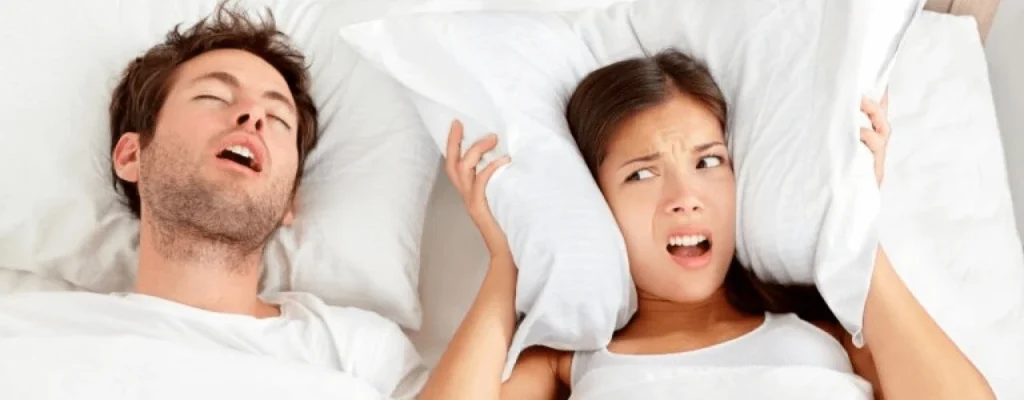
Add travel fatigue, late-night scrolling, and workplace burnout, and you get lighter sleep. Light sleep makes noises and awakenings more noticeable. That’s why snoring becomes a nightly headline in the same house.
People also share more health anxiety around sleep. You’ll see articles about “one nighttime mistake” and heart risk floating around social feeds. Keep those references in perspective, but take sleep seriously.
If you want a general cultural reference point, here’s a related news item people are discussing: Mouth Tape for Sleep: Benefits, Risks, and How to Use It Safely.
The emotional side: snoring turns into a relationship issue fast
Snoring jokes land because they’re true. One person is tired and embarrassed. The other is tired and irritated. Then you start negotiating pillows like it’s a peace treaty.
When sleep debt piles up, patience disappears. Small things feel personal. A mouthpiece, a new pillow, or a simple plan can become less about “fixing you” and more about protecting the relationship.
Talk about it in daylight. Use neutral language. Try: “I miss sleeping through the night. Can we test a couple options for two weeks?”
Practical steps: a no-drama plan before you buy everything
Step 1: spot the likely driver (nose, mouth, position, fatigue)
Snoring often shows up when airflow gets turbulent. That can happen with nasal congestion, mouth breathing, back sleeping, alcohol near bedtime, or plain exhaustion. Travel weeks and long work stretches tend to make it worse.
Do a quick pattern check for 7 nights. Note: back vs side sleeping, alcohol timing, nasal stuffiness, and whether snoring is constant or only in certain conditions.
Step 2: tighten the basics that change snoring fast
Keep it simple. Pick one or two changes you can actually stick with:
- Side-sleeping support (body pillow, backpack-style positioning aid).
- Earlier alcohol cutoff on nights snoring is worst.
- Consistent wind-down to reduce “wired-but-tired” sleep.
- Nasal comfort basics (humidity, gentle saline rinse if appropriate for you).
These don’t replace medical care. They do reduce noise for a lot of people.
Step 3: where an anti snoring mouthpiece fits
If your snoring seems tied to jaw position or mouth breathing during sleep, an anti snoring mouthpiece is a common next step. Many people like it because it’s low-maintenance once you adjust. It’s also portable, which matters when travel fatigue makes snoring worse in unfamiliar beds.
Looking for a starting point? Here are anti snoring mouthpiece to compare styles and features.
Safety and testing: don’t turn sleep into a risky experiment
Mouth taping and “sleep hacks”: why caution is trending too
One reason mouth taping keeps popping up in health coverage is that it feels simple. But simple isn’t always safe. If you have nasal blockage, breathing issues, or possible sleep apnea, restricting mouth breathing can backfire.
If you’re curious about any hack, treat it like a risk screen first. If you can’t breathe freely through your nose while awake, don’t assume it’ll be fine at 2 a.m.
How to trial a mouthpiece without guessing
- Start slow: short wear time before sleep, then full nights.
- Track outcomes: snoring volume (partner rating), wake-ups, morning jaw feel, daytime energy.
- Watch your bite: new tooth pressure, jaw pain, or bite changes are stop signs.
- Give it a fair window: a few nights isn’t enough for comfort to stabilize.
If you suspect sleep apnea—loud snoring with choking/gasping, major daytime sleepiness, or high blood pressure—get evaluated. Devices can help some people, but screening matters.
Medical disclaimer
This article is for general education and does not provide medical advice. Snoring can have multiple causes, including sleep-disordered breathing. If you have symptoms of sleep apnea, significant daytime sleepiness, chest pain, or persistent breathing concerns, seek evaluation from a qualified clinician.
FAQ
Can an anti snoring mouthpiece replace a sleep study?
No. If you have red flags for sleep apnea, a sleep study (or clinician-directed testing) is the right next step. A mouthpiece can still be part of a plan, but it shouldn’t delay evaluation.
What if my partner snores and refuses to try anything?
Make it about shared sleep, not blame. Propose a two-week trial with one change at a time, and agree on what “success” looks like (fewer wake-ups, less couch sleeping).
CTA: make the next step easy
If you want a practical, travel-friendly tool to test alongside better sleep habits, start here: