
Five rapid-fire takeaways:
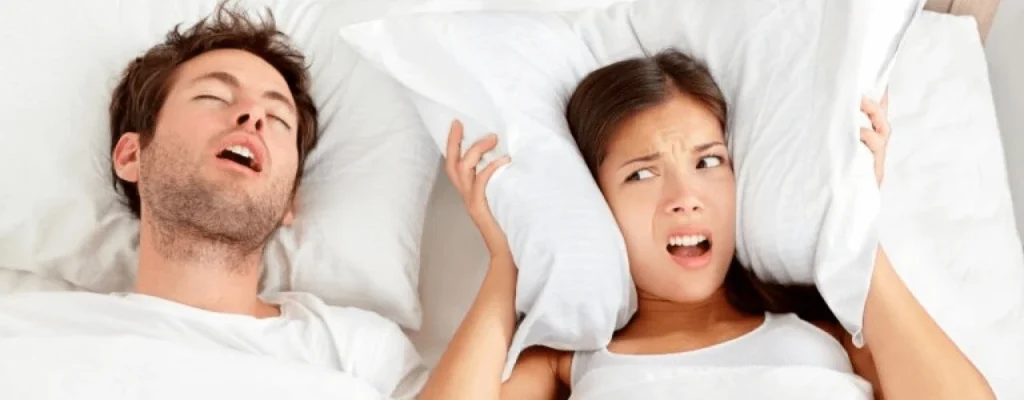
- Snoring is rarely “just noise” when it wrecks sleep quality and mood the next day.
- Relationship stress is a real symptom. The jokes stop being funny when both people are exhausted.
- Sleep gadgets are trending for a reason: burnout, travel fatigue, and screen-heavy evenings are stacking the odds against good sleep.
- An anti snoring mouthpiece can be a practical next step if your snoring seems position- or jaw-related.
- Some snoring can signal sleep apnea. If red flags show up, don’t “DIY” your way past them.
Why everyone’s talking about snoring again
Recent coverage keeps circling the same theme: snoring can sometimes point to a bigger sleep-breathing issue, and people are looking at devices that might help. At the same time, the sleep market is loud right now—rings, apps, smart alarms, cooling blankets, and “hack your bedtime” trends.
That makes sense. Many of us are running on thin margins. A late-night scroll, a work deadline, or a red-eye flight can turn mild snoring into a full-volume problem. Then it spills into the relationship. One person feels guilty. The other feels resentful. Nobody feels well-rested.
The no-drama decision guide (If…then…)
Use this as a quick filter. It won’t replace medical advice, but it can help you choose a sensible next move.
If your partner says you snore most when you’re on your back…then start with positioning
Back-sleeping often makes snoring louder. If that’s your pattern, try a side-sleep setup first. Some people experiment with specialty pillows or simple bedroom tweaks.
Want a broader look at what people are trying? Here’s a related roundup-style discussion you may have seen in the news cycle: Snoring could be a sign of sleep apnea—see if this device can help.
If you wake up with a dry mouth or sore throat…then consider airflow and mouth breathing
Dry mouth can happen when you sleep with your mouth open or when congestion forces mouth breathing. Hydration, allergy management, and bedroom humidity can matter here.
If the snoring also seems tied to jaw position, a mouthpiece may be worth considering as part of a broader plan.
If your snoring spikes after travel, drinks, or burnout weeks…then treat it like a “load” problem
Sleep debt changes everything. So does jet lag, hotel air, and a couple of evening drinks. In those weeks, snoring can be the visible tip of the iceberg.
That doesn’t mean you ignore it. It means you pick a solution that fits real life, not an ideal week you rarely have.
If you’ve tried pillows and “tape and tricks” and you’re still snoring…then look at an anti snoring mouthpiece
Mouthpieces in the mandibular advancement family are designed to gently hold the lower jaw forward during sleep. The goal is simple: keep the airway more open so tissues vibrate less.
Comfort decides success. A device that’s too bulky, too tight, or hard to breathe around won’t last long in your routine. If you’re comparing options, start here: anti snoring mouthpiece.
If you notice choking/gasping, pauses in breathing, or crushing daytime sleepiness…then skip the guessing and get evaluated
Snoring can be harmless, but it can also be a sign of obstructive sleep apnea. If you have red flags, the most productive move is a medical conversation and, if recommended, testing.
Think of it this way: a gadget can reduce noise, but it can’t confirm what your breathing is doing overnight.
How to talk about snoring without starting a fight
Snoring is a weirdly emotional topic. The snorer may feel embarrassed. The listener may feel trapped. A small script helps.
- Lead with shared goals: “I want both of us to sleep better.”
- Describe impact, not character: “I’m waking up at 2 a.m.” beats “You keep ruining my sleep.”
- Pick a trial window: “Let’s test one change for 10 nights.”
This turns the problem into a project. That matters when you’re already stretched thin from work and life.
What to verify before you buy any mouthpiece
- Fit approach: boil-and-bite vs. custom-style guidance. Fit affects comfort and consistency.
- Adjustability: small changes can improve comfort and reduce jaw strain.
- Breathing room: some designs feel less claustrophobic than others.
- Materials and care: look for clear cleaning instructions and replace-when guidance.
- Your mouth health: dental work, loose teeth, or TMJ symptoms deserve extra caution.
FAQs
Can an anti snoring mouthpiece help everyone who snores?
No. It may help when snoring is tied to airway narrowing that improves when the lower jaw is gently repositioned. Other causes may need different solutions.
Is loud snoring always sleep apnea?
Not always, but it can be a sign. If you also have choking/gasping, witnessed breathing pauses, or severe daytime sleepiness, get evaluated by a clinician.
How fast do mouthpieces work?
Some people notice changes the first night, while others need a short adjustment period. Comfort and fit are often the deciding factors.
What if I travel a lot and my snoring gets worse?
Travel fatigue, alcohol, congestion, and sleeping on your back can all worsen snoring. A portable option may help, but persistent symptoms still deserve medical attention.
Do anti-snoring pillows work better than mouthpieces?
Pillows can help if your snoring improves with side-sleeping or head/neck positioning. Mouthpieces may help when jaw position is a key driver. Many people try the simpler fix first.
Is it safe to use a mouthpiece if I have jaw pain?
Jaw pain, dental issues, or TMJ symptoms are reasons to be cautious. Consider dental guidance and stop use if pain worsens.
Next step: make it a 10-night experiment
Pick one change you can actually stick with. Track two things: how you feel in the morning, and whether your partner notices fewer wake-ups. If snoring is putting pressure on your relationship, structure beats hope.
How do anti-snoring mouthpieces work?
Medical disclaimer: This article is for general education and does not provide medical advice. Snoring can be a sign of a sleep-related breathing disorder, including sleep apnea. If you have breathing pauses, choking/gasping, chest pain, severe daytime sleepiness, or other concerning symptoms, seek evaluation from a qualified clinician.