
Snoring is rarely just “a noise.” It’s a sleep quality problem that spills into your mood, your mornings, and your relationship.
And right now, sleep culture is loud: gadgets, trackers, viral routines, and travel-fatigue recovery tips. Meanwhile, your partner is negotiating pillow boundaries like it’s a treaty summit.
If snoring is affecting sleep health at home, an anti snoring mouthpiece can be a practical middle ground between “do nothing” and “medical-grade interventions.”
Start here: what snoring is costing you
People don’t look for snoring solutions because they love shopping for sleep gear. They look because the ripple effects add up.
- Relationship friction: resentment, jokes that stop being funny, separate bedrooms that weren’t the plan.
- Workplace burnout vibes: short temper, brain fog, and the sense that you’re always catching up.
- Travel fatigue: hotel beds, time changes, and dry air can make snoring louder and sleep lighter.
Snoring can also overlap with bigger sleep-breathing issues. If you suspect that, don’t just “hack” your way around it.
An “if…then…” decision guide (no fluff)
If your partner reports loud snoring most nights…then start with simple checks
Before you buy yet another sleep gadget, get clarity on patterns. Ask: is it worse after alcohol, when you’re on your back, or during allergy season?
Then tighten your routine. People are talking about structured wind-down frameworks (like the Improve Your Sleep Routine With This 10-3-2-1-0 Hack Tonight) because they’re easy to remember. Use any routine that helps you consistently power down.
If you snore and wake up unrefreshed…then don’t ignore sleep health
Snoring and poor sleep quality often travel together. Over time, low-quality sleep can affect how you feel during the day and how well your body recovers at night.
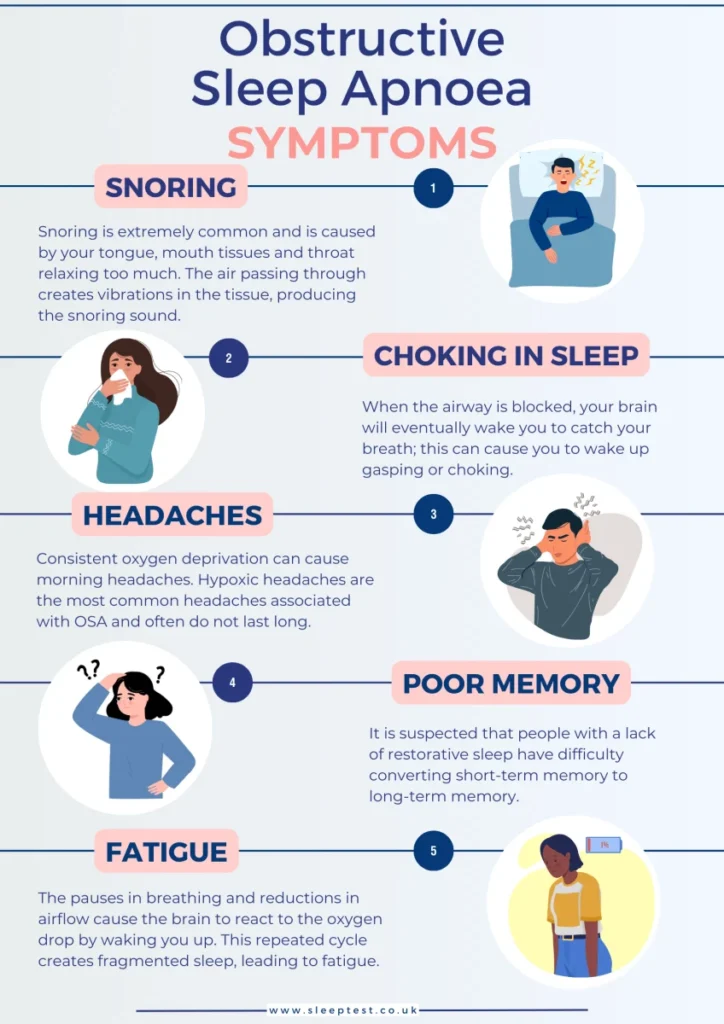
Sleep hygiene matters, but it’s not a cure-all. If you also notice gasping, choking, or heavy daytime sleepiness, consider a clinical evaluation for sleep apnea.
If you want a non-invasive, nightly tool…then an anti snoring mouthpiece is worth considering
A mouthpiece can be appealing because it’s simple: put it in, go to sleep, test results over a week or two. It’s also less disruptive than many people expect once they adjust.
Look for comfort, a stable fit, and a design you’ll actually wear consistently. If you’re comparing styles, start with this roundup of anti snoring mouthpiece and narrow it down based on your needs.
If you’re tempted by viral trends (like mouth taping)…then pause and think safety first
Sleep trends come in waves. Some are harmless experiments. Others can be risky for certain people, especially if nasal breathing isn’t reliable or sleep apnea is possible.
If you’re congested, have chronic nasal blockage, or suspect breathing pauses during sleep, talk with a clinician before trying techniques that restrict airflow.
If you share a bed…then treat it like a team problem
Snoring isn’t a character flaw. It’s a nightly stressor that can turn small annoyances into big arguments.
Try a quick “sleep debrief” at a calm time: what’s the goal, what’s one change to try this week, and how will you measure improvement? Keep it practical, not personal.
Quick FAQ: mouthpieces, sleep quality, and next steps
Are mouthpieces only for severe snoring?
No. Many people try them for habitual snoring that disrupts a partner or fragments sleep.
What if I grind my teeth?
Some devices may help, but grinding can complicate fit and comfort. A dentist can help you choose a safe option.
Can I combine a mouthpiece with better sleep hygiene?
Yes. Routine improvements and a mouthpiece often work well together because they address different parts of the problem.
CTA: pick one next move (and stop guessing)
If snoring is becoming a nightly conflict, choose a plan you can stick with for two weeks: a steadier wind-down routine plus a realistic tool you’ll wear.
How do anti-snoring mouthpieces work?
Medical disclaimer: This article is for general education and is not medical advice. Snoring can be a sign of obstructive sleep apnea or other health conditions. If you have choking/gasping, witnessed breathing pauses, chest pain, severe daytime sleepiness, or concerns about your heart or breathing, seek evaluation from a qualified clinician.