
At 2:13 a.m., the hotel room is quiet except for one sound: snoring that could pass for a tiny leaf blower. One person stares at the ceiling, the other sleeps like nothing is happening. By morning, they’re joking about “sleep divorce,” but the mood is thin. Travel fatigue plus loud snoring is a fast track to tension.
That scene is everywhere right now—on trips, in busy households, and in relationships strained by burnout. People are buying sleep gadgets, tracking “sleep scores,” and hunting for fixes that don’t feel like a medical project. In that mix, the anti snoring mouthpiece keeps coming up as a practical, low-drama tool to try.
What people are talking about (and why it’s everywhere)
Snoring isn’t new. What’s new is how often it gets discussed like a lifestyle problem: a productivity killer, a relationship issue, and a wellness trend all at once. The current conversation is fueled by three things.
1) Sleep gadgets are loud, but sleep is still messy
Wearables, smart rings, and bedside sensors can be helpful. They also make it easy to obsess over numbers while ignoring the obvious: someone is waking up every night. When snoring is the reason, “data” doesn’t replace a plan.
2) Burnout makes light sleepers even lighter
When work stress is high, patience is low. A partner’s snoring can feel personal, even when it isn’t. That’s why communication matters as much as any device: you’re solving a shared problem, not assigning blame.
3) Mouthpieces are getting more mainstream
You’ll see more reviews and roundups of mandibular advancement devices (MAD-style mouthpieces) and mouthguards designed for snoring. Some coverage focuses on whether specific products seem legitimate and safe. The bigger point is that mouthpieces have moved from “weird” to “normal,” especially for couples who just want quieter nights.
If you want a broad, real-world example of why people are seeking solutions, you can read this An inspirational solution to obstructive sleep apnea from CommonSpirit Health and how sleep-disordered breathing can affect real families.
What matters medically (without the panic)
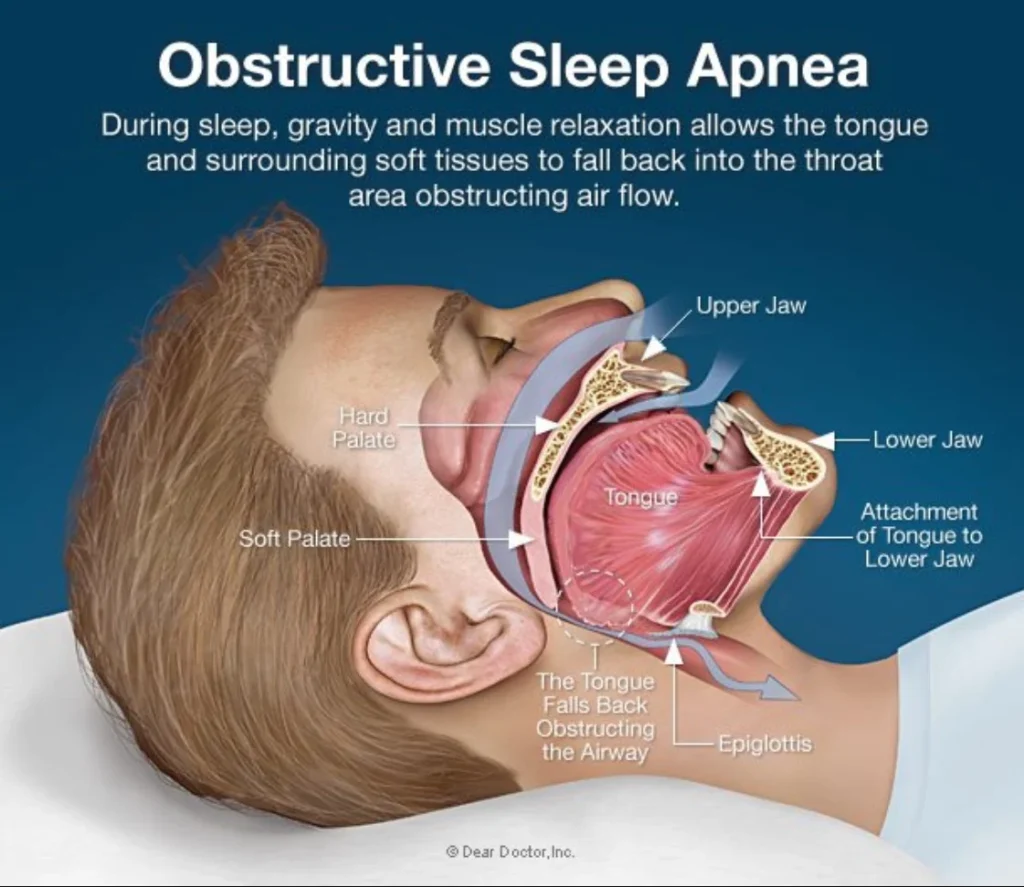
Snoring usually happens when airflow is partially blocked and soft tissues vibrate. That can be influenced by sleep position, alcohol, nasal congestion, weight changes, and jaw/tongue placement.
Snoring vs. sleep apnea: the key distinction
Snoring can be “just snoring,” but it can also show up with obstructive sleep apnea (OSA). OSA involves repeated breathing interruptions during sleep. If that’s on the table, it’s not a willpower problem and it’s not something to ignore.
- More concerning signs: choking/gasping, witnessed pauses in breathing, waking with headaches, high blood pressure, or strong daytime sleepiness.
- Less concerning (but still annoying): occasional snoring during allergies, after alcohol, or when sleeping on your back.
A mouthpiece can reduce snoring for some people, but it’s not a substitute for proper screening if apnea symptoms are present.
What you can try at home (the realistic checklist)
If your household is in the “we need sleep this week” phase, aim for simple steps you can actually stick with. Try one change at a time for a few nights so you can tell what helped.
Quick wins that don’t require new gear
- Side-sleeping: Many people snore more on their back. A body pillow can help you stay on your side.
- Alcohol timing: If you drink, avoid alcohol close to bedtime. It can relax airway muscles.
- Nasal support: If congestion is driving mouth breathing, consider saline rinse or non-medicated nasal strips. (Skip anything that irritates your nose.)
- Bedroom truce: Agree on a plan before bedtime. Resentment grows fastest at 3 a.m.
Where an anti snoring mouthpiece fits
An anti snoring mouthpiece is often designed to gently bring the lower jaw forward or stabilize the mouth to reduce airway narrowing. People tend to look at mouthpieces when:
- Snoring is frequent and partner-disrupting.
- Back-sleeping and congestion fixes aren’t enough.
- They want a non-electronic option that travels well.
If you’re comparing options, a combo approach can appeal to mouth-breathers. Here’s a relevant product page to review: anti snoring mouthpiece.
Comfort and safety notes (don’t skip these)
- Fit matters: Too tight can cause jaw or tooth discomfort. Too loose may not help.
- Give it time: The first nights can feel strange. Mild drooling or dryness is common early on.
- Stop if pain persists: Ongoing jaw pain, tooth pain, or bite changes are reasons to pause and seek dental guidance.
When it’s time to get help (for your health and your relationship)
Some couples normalize snoring for years, then realize they’ve normalized exhaustion too. If any red flags show up, move from “hacks” to “health.” A clinician can help assess whether sleep apnea may be involved and discuss treatment options.
Consider a medical conversation if you notice:
- Breathing pauses, gasping, or choking during sleep
- Falling asleep unintentionally during the day
- High blood pressure or heart-related concerns
- Snoring that’s worsening quickly or tied to new symptoms
If the issue is mostly relationship strain, say that out loud. A simple script helps: “I’m not mad at you. I’m struggling with sleep. Let’s test one fix this week and reassess.” That keeps the problem on the table without putting your partner on trial.
FAQs: fast answers for tired people
Do anti-snoring mouthpieces work for everyone?
No. They can help when snoring is linked to jaw/tongue position, but results vary by anatomy, sleep position, and nasal congestion.
Is snoring always a sign of sleep apnea?
Not always, but loud, frequent snoring—especially with choking, gasping, or daytime sleepiness—can be a sign worth screening.
How long does it take to adjust to a mouthpiece?
Many people need several nights to a few weeks to get used to the feel and find a comfortable fit.
Can a mouthpiece cause jaw pain?
It can. Common issues include jaw soreness, tooth discomfort, or drooling. Stop use and seek dental guidance if pain persists.
What else can I try besides a mouthpiece?
Side-sleeping, reducing alcohol close to bedtime, treating nasal congestion, and improving sleep routine can reduce snoring for some people.
When should I talk to a clinician about snoring?
If you have witnessed breathing pauses, morning headaches, high blood pressure, significant daytime sleepiness, or your partner reports gasping or choking at night.
Next step: pick one change and run a 7-night test
If snoring is stealing sleep from both sides of the bed, keep it simple: choose one intervention, track whether it reduces awakenings, then decide what to keep. If you want to explore mouthpiece options, start here:
How do anti-snoring mouthpieces work?
Medical disclaimer: This article is for general education only and is not medical advice. Snoring can be associated with obstructive sleep apnea and other health conditions. If you have concerning symptoms or persistent sleep disruption, seek evaluation from a qualified clinician.